
In today’s rapidly evolving industrial landscape, the demand for highly skilled fire and industrial safety professionals has never been higher. With workplace accidents still a common concern, companies are continuously on the lookout for experts who can ensure the safety and well-being of their employees and the environment. For those interested in a career in fire and industrial safety, obtaining the right training and developing the essential skills is crucial.
At NEFSA Fire Academy, we train professionals to master these key skills and contribute effectively to workplace safety. In this blog, we’ll discuss the five most important skills every fire and industrial safety professional should possess.
1. Risk Assessment and Hazard Identification
A crucial skill for fire and industrial safety professionals is the ability to assess risks and identify potential hazards in the workplace. These experts must be able to detect both obvious and hidden dangers—whether it’s the risk of fire, electrical hazards, chemical exposure, or machinery malfunctions.
Why is it important?
Accurate risk assessment and hazard identification are fundamental to creating effective safety protocols and preventing accidents before they occur. The process involves evaluating the physical and environmental conditions of a workplace, analyzing the materials being used, and understanding the operational processes.
How NEFSA Helps:
At NEFSA, students are trained to conduct thorough risk assessments using modern tools and techniques. The academy’s hands-on approach ensures that students develop the critical thinking needed to foresee potential hazards and mitigate them before they result in accidents.
2. Fire Prevention and Safety Procedures
Fire safety is a core component of industrial safety. Hazards related to fire exist in nearly every industry, from manufacturing plants to chemical factories. Therefore, fire prevention and the implementation of safety procedures are crucial for safeguarding both human life and property.
Why is it important?
A fire can break out unexpectedly, and without proper safety measures in place, the damage can be catastrophic. Fire safety professionals need to be well-versed in the installation and maintenance of fire protection systems, the use of fire extinguishers, evacuation plans, and emergency response strategies.
How NEFSA Helps:
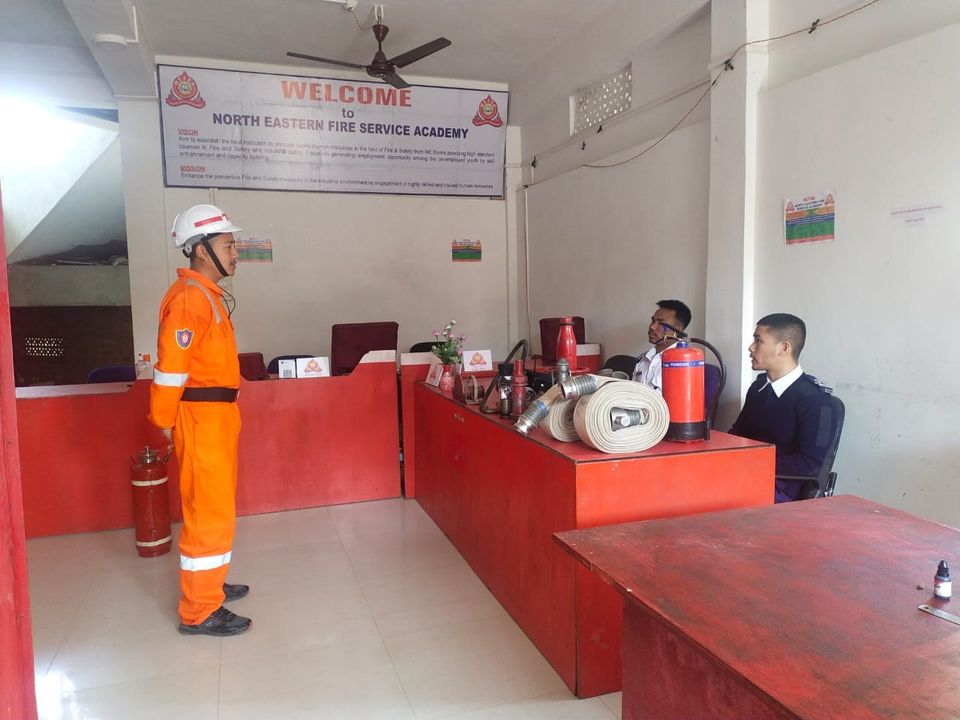
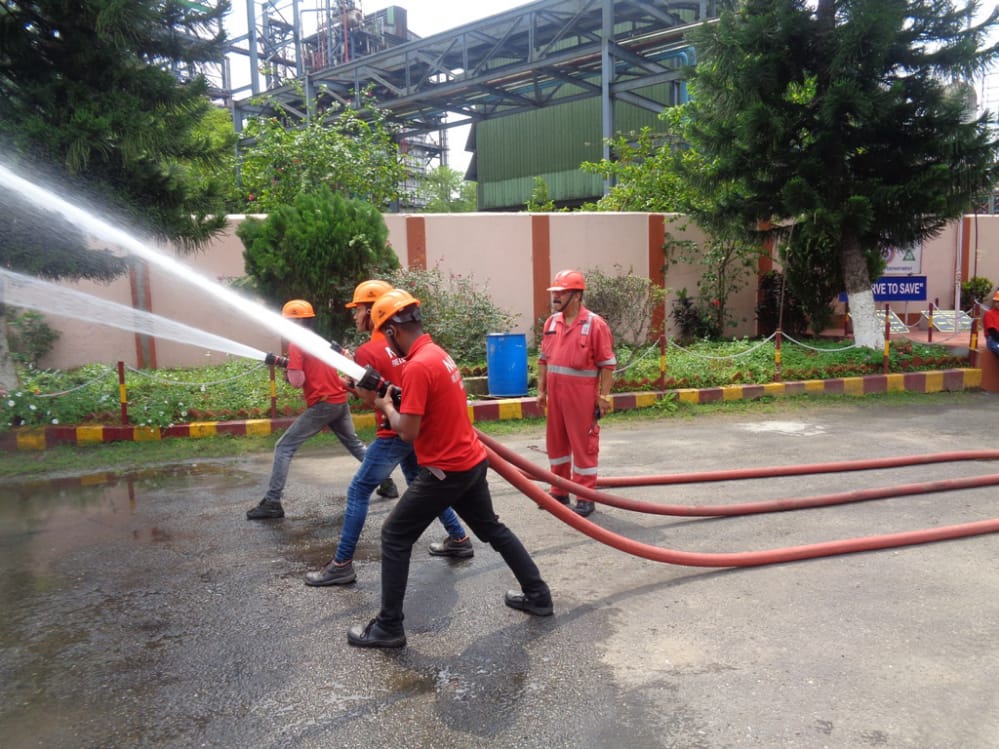
NEFSA Fire Academy offers specialized fire safety training that covers fire prevention strategies, fire suppression systems, emergency evacuation protocols, and rescue operations. The academy’s advanced simulation setups provide a realistic training experience that is essential for any fire safety professional.
3. Knowledge of Regulatory Standards and Compliance
Every industrial facility must comply with various fire and safety regulations to protect employees and avoid legal penalties. Being familiar with local, national, and international safety regulations is crucial for any fire and industrial safety professional.
Why is it important?
Failure to adhere to safety regulations can lead to severe consequences, including workplace injuries, fines, and damage to a company’s reputation. A safety professional must be updated on the latest laws and regulations governing industrial safety to ensure compliance.
How NEFSA Helps:
NEFSA’s curriculum includes comprehensive training on safety standards like OSHA, NFPA, and international safety codes. This ensures that graduates are well-versed in industry best practices and can confidently manage compliance within any industrial setting.
4. Emergency Response and First Aid
Accidents and emergencies can occur at any time. In such situations, being able to respond quickly and effectively can save lives. Fire and industrial safety professionals must be proficient in emergency response protocols, first aid, CPR, and rescue operations.
Why is it important?
Having a trained safety professional on-site can significantly reduce the severity of injuries during an emergency. Whether it’s a fire breakout, an explosion, or a chemical spill, quick thinking and effective response are key to minimizing harm.
How NEFSA Helps:
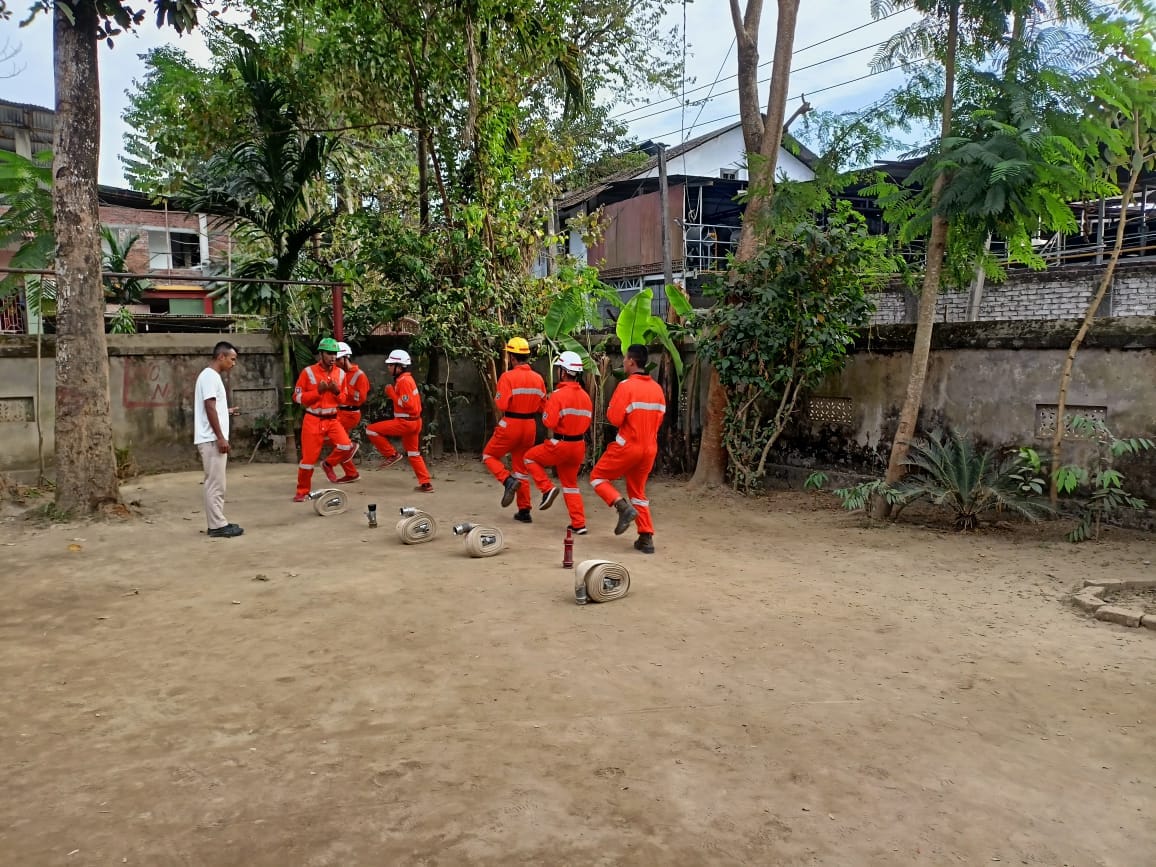
At NEFSA, students undergo rigorous training in emergency response tactics, including first aid, CPR, and the management of various industrial accidents. The academy also conducts mock drills to prepare professionals for real-world scenarios, ensuring they are ready to act swiftly in critical moments.
5. Communication and Leadership Skills
In any industrial setting, safety professionals must collaborate with workers, management, and other departments. Effective communication is crucial for ensuring that safety procedures are understood and followed. Additionally, leadership skills are essential for overseeing safety teams and guiding emergency response efforts.
Why is it important?
Strong communication helps prevent misunderstandings and ensures that safety protocols are clear to everyone. Leadership skills are equally important, especially in situations where safety teams must work together to mitigate risks or respond to emergencies.
How NEFSA Helps:
NEFSA’s training emphasizes the development of interpersonal and leadership skills. Students are trained to communicate effectively in high-pressure environments, lead safety teams, and ensure that safety protocols are followed diligently by all personnel.
Why Choose NEFSA for Fire & Industrial Safety Training?
At NEFSA Fire Academy, we understand that the safety of workers and the protection of industrial assets are critical. That’s why we provide world-class training that ensures our graduates are equipped with the knowledge and skills needed to excel in the fire and industrial safety field. With a comprehensive curriculum, hands-on training, and expert instructors, NEFSA is your go-to academy for becoming a top-tier fire and safety professional.
Conclusion
The fire and industrial safety industry is a demanding yet rewarding career path, and possessing the right skills is essential for success. Whether it’s risk assessment, fire prevention, regulatory compliance, emergency response, or leadership, NEFSA provides the training needed to excel in this vital profession. If you’re looking to start or advance your career in fire and industrial safety, consider enrolling at NEFSA Fire Academy to gain the skills that matter most.
Sources:
-
OSHA – Occupational Safety and Health Administration (https://www.osha.gov/)
-
NFPA – National Fire Protection Association (https://www.nfpa.org/)
-
Safety and Health Magazine – Key Skills for Industrial Safety Professionals (https://www.safetyandhealthmagazine.com/)