A career in fire and industrial safety is more than a job it’s a meaningful profession that protects lives, safeguards property, and keeps industry running. With increasing regulatory focus, expanding infrastructure, and rising investment in workplace safety, trained safety professionals are in high demand. If you’re considering a purposeful career with steady prospects, NEFSA (Nefsa Fire Academy) prepares you with industry-standard training, certifications, and placement support to launch that journey.
1. High and Growing Market Demand
As India’s fire-protection and workplace-safety sectors expand, demand for certified safety professionals is rising across construction, manufacturing, oil & gas, and commercial real estate. Market analyses project steady growth in the fire & safety equipment and workplace-safety services markets translating into more jobs.
2. Clear Career Pathways & Diverse Job Roles
Training opens doors to roles such as Firefighter, Safety Officer, HSE Engineer, Fire Inspector, and Emergency Response Lead. Corporates, factories, EPC contractors, and government departments all hire trained safety staff so your career can move between private industry and public service.
3. Recognized Certifications Boost Employability
Globally and in India, certifications such as NEBOSH, NFPA-related training, and national/state firefighting qualifications are highly respected by employers. Holding accredited certifications significantly improves hiring and salary prospects for safety professionals.
4. Competitive & Improving Compensation
Salaries vary by role, experience, and sector, but data from job portals and employer reports show that trained safety professionals can command competitive pay especially in industrial hubs and specialized sectors. Entry-level public-sector firefighting roles and private safety officer roles both offer steady compensation and benefits. (Examples from recent job listings and salary surveys show typical ranges and upward mobility with experience and certification.)
5. Strong Regulatory Support & Employer Focus on Safety
Government policy and industry regulations increasingly emphasize occupational safety. Recent national and sectoral policy shifts and recommendations in economic and workplace-safety reports mean organizations must invest in compliance and skilled safety personnel. This regulatory momentum translates into sustained hiring for trained professionals.
6. Work That Matters – Purpose & Respect
A career in fire & industrial safety delivers daily meaning: preventing accidents, saving lives, and protecting assets. Many professionals cite pride and community respect as a top reason they chose the field a powerful motivator if you want work with high social impact.
7. Transferable Skills & Global Opportunities
Safety skills (risk assessment, fire prevention, emergency response) transfer across industries and countries. With international-standard courses (like NEBOSH) and NFPA-aligned practices, trained professionals can find opportunities at home and abroad.
8. Fast Track to Leadership Roles
Safety roles often lead to management positions (HSE Manager, Safety Head, Compliance Lead). Organizations place a premium on leaders who combine technical safety competence with communication and leadership training programs at NEFSA emphasize both technical and soft skills to prepare you for this growth.
9. Multiple Entry Points – From Vocational to Advanced
Whether you’re a school-leaver, a working professional seeking a career change, or a technician aiming to upskill, there are certification and diploma tracks available. NEFSA offers modular courses so you can start with foundational training and progress to advanced qualifications.10. Placement Support & Industry Connections at NEFSA
NEFSA’s training is tailored to industry needs practical drills, real-world scenario training, and placement ties with companies and government services. Choosing an academy that blends accredited theory with hands-on training makes your transition from student to working professional much smoother.
How NEFSA Prepares You?
-
Accredited curriculum aligned with national and international standards.
-
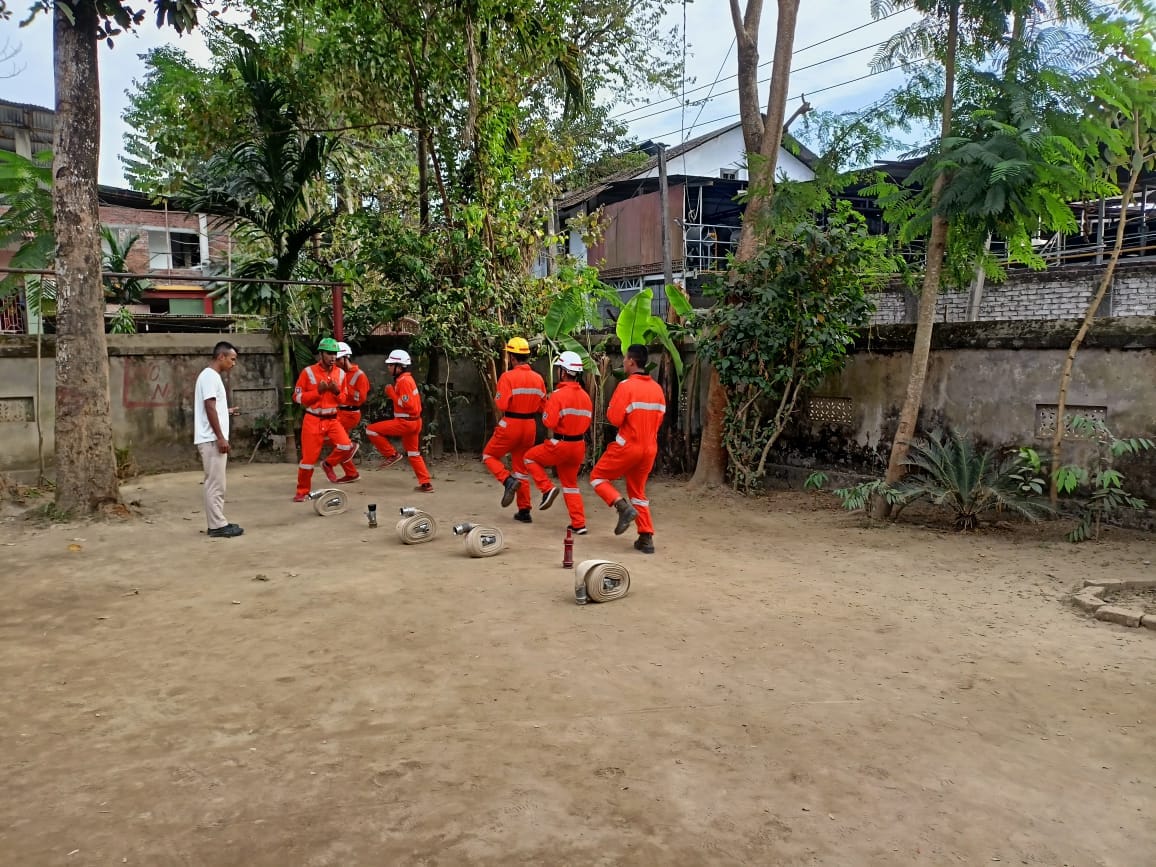
Practical drill-based training (live fire, equipment handling, rescue simulations).
-
Soft-skills and leadership modules to prepare you for supervisory roles.
-
Placement assistance and employer networking to convert training into jobs.
Conclusion
With the workplace-safety market expanding, tighter regulations, and rising public awareness, now is an excellent time to enter fire and industrial safety. If you want a career that combines purpose, professional growth, and steady market demand, NEFSA gives you the training, credentials, and support to succeed.
Call to Action
Ready to join NEFSA and start a high-impact career in fire & industrial safety? Contact us today for course details, upcoming batches, and scholarship options.
Sources & Further Reading
-
IMARC Group — India Fire & Safety Equipment Market (market size, forecasts). IMARC Group
-
Grand View Research — India Workplace Safety Market outlook. Grand View Research
-
NEBOSH — NEBOSH in India (value of NEBOSH qualifications, learner resources). NEBOSH
-
NFPA — Codes & Standards overview (global fire & life safety standards). NFPA+1
-
LinkedIn / Job portals — current demand for Safety Officer/HSE roles in India (active job listings). LinkedIn+1
-
Indeed & Glassdoor — salary snapshots for firefighter and related roles in India. Indeed+1
-
Economic & workplace-safety commentary (policy trends and recommendations). Reuters+1