
Knowing how fires are classified and which extinguisher to use is the single most practical skill for preventing small incidents from becoming disasters. This guide explains the five common fire classes, describes the extinguisher types used in practice, summarizes relevant Indian guidance, and gives clear, actionable safety and maintenance tips for workplaces, homes, and training programs.
What are Fire Classes?
Fires are grouped by the fuel involved this determines the best extinguishing method and the risk of making the fire worse if the wrong agent is used.
-
Class A: Solid combustibles – wood, paper, cloth, most plastics. (Use agents that cool and soak.)
-
Class B: Flammable liquids and gases – petrol, oil, solvents, paints. (Use agents that smother or form a film.)
-
Class C: Energized electrical equipment – wiring, appliances (treat as electrical until de-energized). (Non-conductive extinguishing agents required.)
-
Class D: Combustible metals – magnesium, sodium, titanium. (Specialist dry powders only.)
-
Class K (or F in some standards): Cooking oils and fats in commercial kitchens. (Wet chemical agents designed to saponify grease.)
Understanding class is crucial the wrong extinguisher can spread the fire or cause explosions (for example, using water on a grease fire).
Extinguisher Types & When to Use Them
Below are the common portable extinguisher types and the fires each is suitable for:
-
Water (stored pressure / water mist): Best for Class A (wood/paper). Do NOT use on electrical or grease fires.
-
Foam (AFFF/FFFP): Effective on Class A and B (liquids) – forms a film that smothers flammable liquids.
-
Dry Chemical Powder (ABC / BC / D-specific powders):
-
ABC (mono-ammonium phosphate): multipurpose for A, B, C – common for homes and offices.
-
BC: good for flammable liquids and electrical equipment.
-
D powders: special formulations for metal fires (Class D).
-
-
Carbon Dioxide (CO₂): Good for Class B and electrical fires; leaves no residue, but limited cooling effect and short discharge time.
-
Wet Chemical: Designed primarily for cooking oil/fat fires (Class K/F) – they cool and create a soapy layer (saponification) to prevent re-ignition.
When selecting extinguishers, match the agent to the likely hazards on site (kitchen, workshop, office, storage of flammable liquids). For general-purpose coverage, a combination of ABC dry powder and CO₂ (for electronics) is common, but site-specific risk assessment should guide the final choices.
Indian Standards & Code References (practical implications)
In India, portable extinguisher specifications and performance are governed by BIS standards such as IS 15683 and related IS documents for specific extinguisher types. These standards define construction, performance, marking, and mounting requirements for safe, standardized equipment. The National Building Code (NBC) Part 4 (Fire & Life Safety) sets occupancy-wise requirements for fire protection measures (including extinguisher placement, numbers, and access) in buildings. For inspection and maintenance intervals and international best practices, NFPA 10 provides detailed procedures that are widely used as a complementary reference.
Practical takeaway: Always buy extinguishers that conform to Indian BIS standards, mount them as per NBC guidance, and adopt inspection/maintenance regimes aligned with NFPA 10 practices.
Basic Use – Remember PASS (simple and effective)
When a small fire starts and it’s safe to fight it, follow PASS:
-
Pull the pin.
-
Aim low – at the base of the fire.
-
Squeeze the handle.
-
Sweep from side to side until extinguished.
Always keep an exit at your back; if the fire grows or you feel heat/smoke, evacuate and call the fire service.
Inspection, Maintenance & Recordkeeping
Portable extinguishers must be inspected monthly (visual checks), undergo more thorough annual maintenance and hydrostatic testing at intervals specified by the manufacturer and standards. Check pressure gauge, nozzle, seals, signs of corrosion, correct mounting, and legible labels. Keep a service log for each extinguisher and ensure trained personnel perform the inspections. Following recognized inspection protocols reduces failure risk and ensures extinguishers work when needed.
When NOT to Use an Extinguisher
-
If the fire is large, spreading fast, or creates heavy smoke.
-
If you don’t know the fire type (e.g., unknown chemical or metal fire).
-
If using the extinguisher would expose you to toxic fumes or block your escape route.
Evacuate and call emergency services instead.
NEFSA India – How we can help?
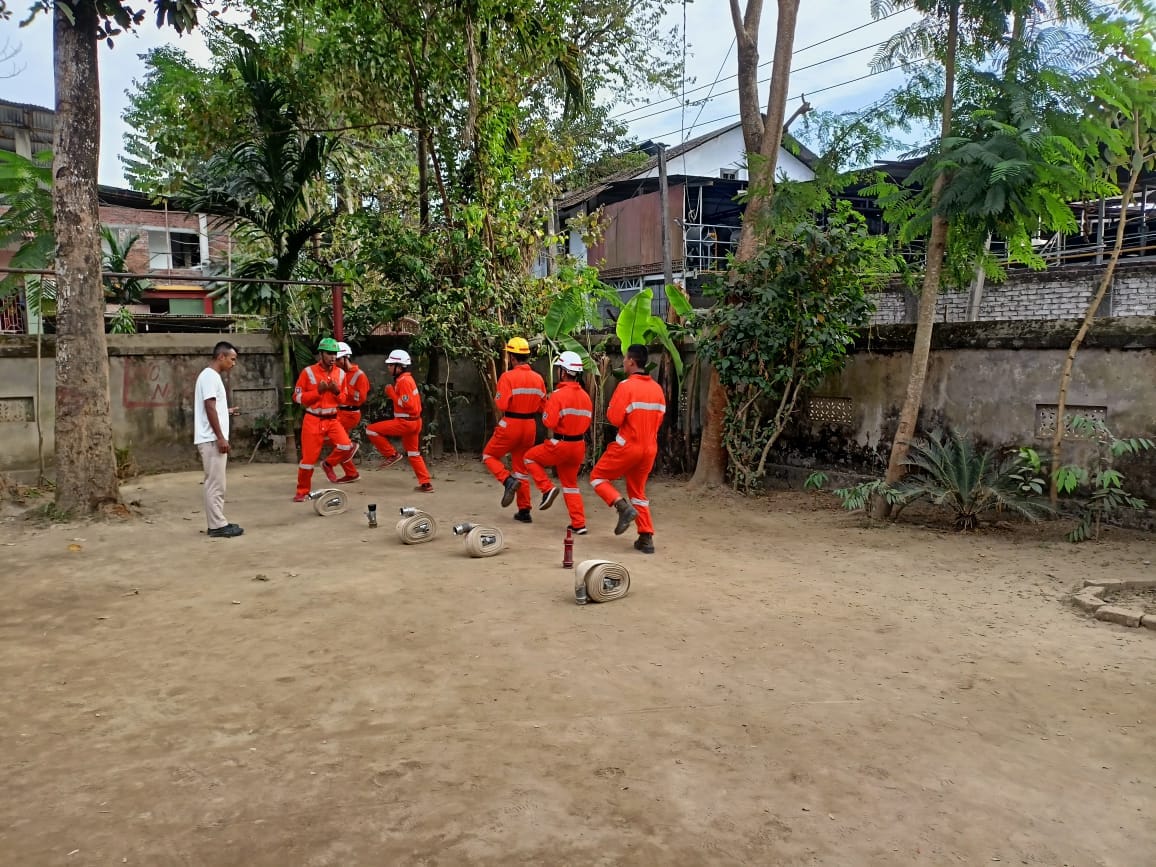
At NEFSA India Fire Academy we teach hazard assessment, extinguisher selection, hands-on extinguisher use, inspection & maintenance best practices aligned to Indian standards, and full evacuation drills for workplaces and institutions. Training includes live demos and scenario-based practice so participants gain confidence to act safely.
Sources & Further Reading
-
Fire classifications overview — HCT World / general references. HCT World
-
Which extinguisher to use — IFSEC Global (practical guide to extinguisher types). ifsecglobal.com
-
IS 15683: Portable fire extinguishers (BIS) — specification & performance requirements. Law Resource
-
National Building Code of India 2016 — Part 4: Fire & Life Safety. Fire Department
-
NFPA 10 — Standard for Portable Fire Extinguishers (inspection and maintenance best practice). InspectNTrack