Choosing the right career after Class 10 or Class 12 can be challenging, especially for students who want a practical, skill-based profession instead of following only traditional academic paths. One career option that deserves serious consideration is Fire and Safety.
With industries, construction projects, commercial establishments, manufacturing facilities, oil and gas operations, airports and infrastructure projects placing greater emphasis on workplace safety and emergency preparedness, trained fire and safety professionals have an important role to play.
For students in Assam and across Northeast India, the good news is that it is possible to begin certain fire and safety courses after 10th, while students completing Class 12 can explore additional diploma, technical and degree-level pathways.
If you are wondering how to start a career in Fire & Safety after 10th or 12th in Assam, this guide explains the available paths, important skills, career possibilities and how professional training can help you prepare for the industry.
Can You Study Fire and Safety After 10th in Assam?
Yes. Certain fire and safety training programs accept students who have completed Class 10.
For example, according to the official course information published by North Eastern Fire Service Academy (NEFSA), Class 10 pass candidates are currently eligible for programs including:
- Fire Technology & Industrial Safety Management
- Diploma in Fire Sub-Officer
- Diploma in Fire Safety Engineering
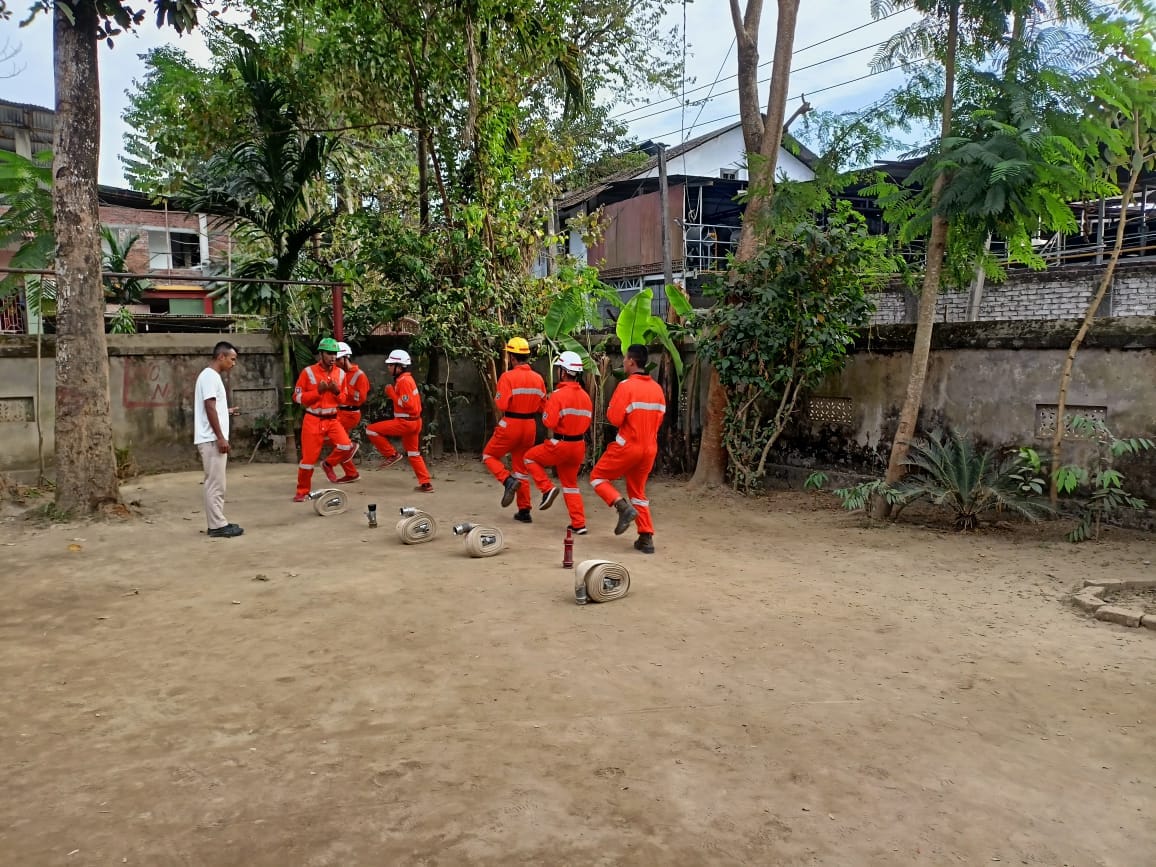
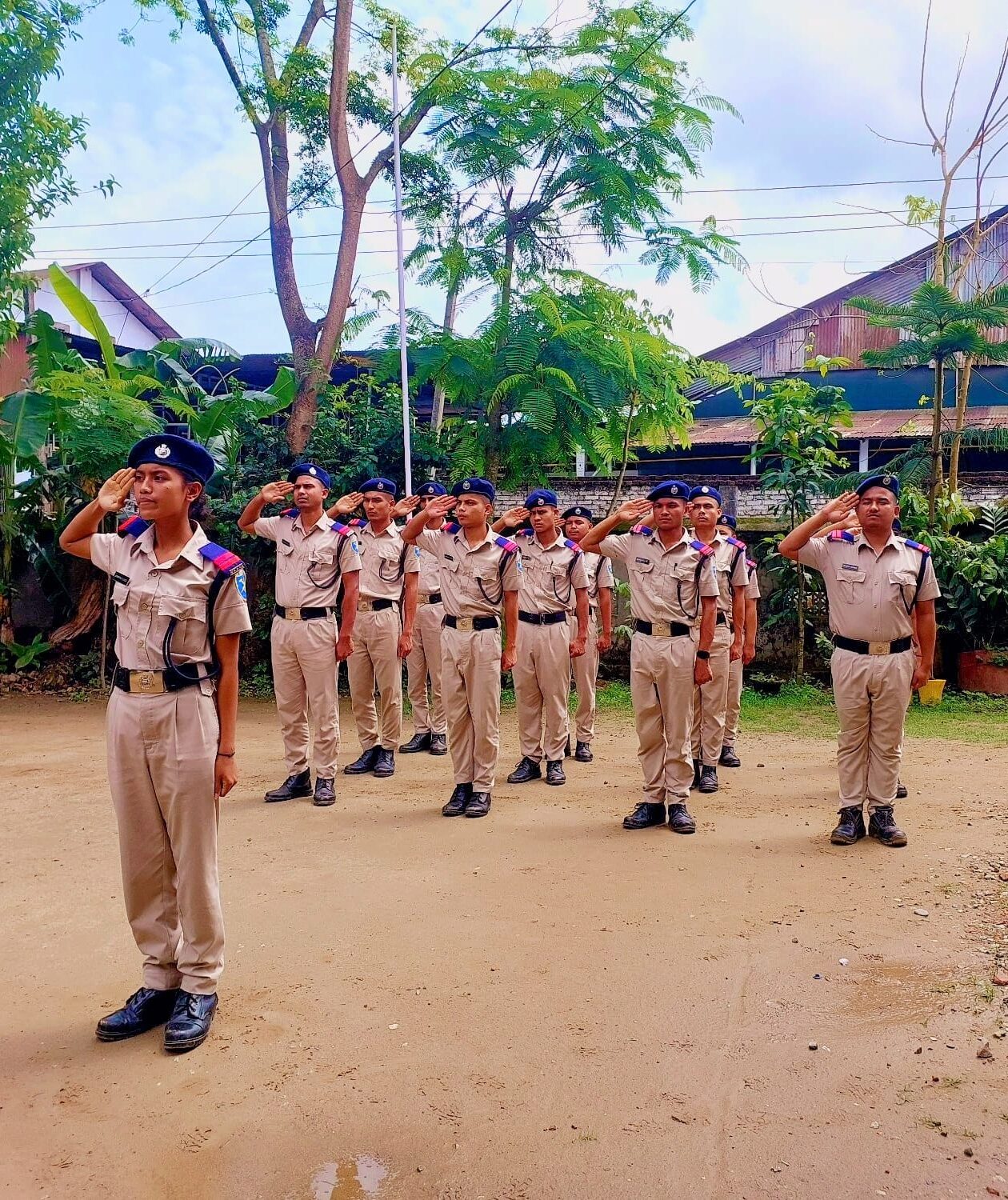
NEFSA states that these programs combine theoretical education with practical training, fire drills and real-time simulations. The academy also lists physical and medical tests as mandatory before admission.
This makes the field particularly interesting for students who want to enter a professionally oriented training program without waiting until graduation.
Fire and Safety Career Options After 12th
Completing Class 12 can open additional pathways.
Students may choose diploma or professional fire and industrial safety programs depending on the eligibility requirements of the institution. Students from the Science stream may also have access to degree-level options.
NEFSA currently lists a B.Sc. in Fire Safety & Hazard Management for candidates who have completed Higher Secondary in the Science stream. Its listed subjects include advanced fire engineering, environmental health and safety, disaster and hazard management, safety management systems, and industrial and construction safety.
National occupational standards also demonstrate that Class 12 can be a valid entry point into some safety occupations. The Government of India’s National Qualification Register currently lists a Fire Safety Technician qualification with an entry pathway for a 12th-pass candidate with no prior experience, alongside other eligibility routes.
Therefore, students completing Class 12 can consider fire safety not simply as a short-term course but as the beginning of a broader professional career.
What Does a Fire and Safety Professional Actually Do?
A career in fire and safety involves much more than extinguishing fires.
Depending on the qualification, experience and workplace, professionals may be involved in:
- Fire prevention
- Emergency response
- Firefighting operations
- Workplace inspections
- Hazard identification
- Risk assessment
- Fire safety equipment inspection
- Emergency evacuation planning
- Accident prevention
- Industrial safety
- Occupational health and safety
- Rescue operations
- First aid
- Safety audits
- Disaster preparedness
The National Qualification Register describes the role of a Fire Safety Technician as including workplace inspection for fire hazards, firefighting operations, maintenance of fire safety equipment and coordination of safety-awareness activities.
These responsibilities explain why good fire and safety education requires both classroom learning and practical experience.
Why Is Practical Training Important in Fire and Safety?
Firefighting and emergency response cannot be learned effectively from textbooks alone.
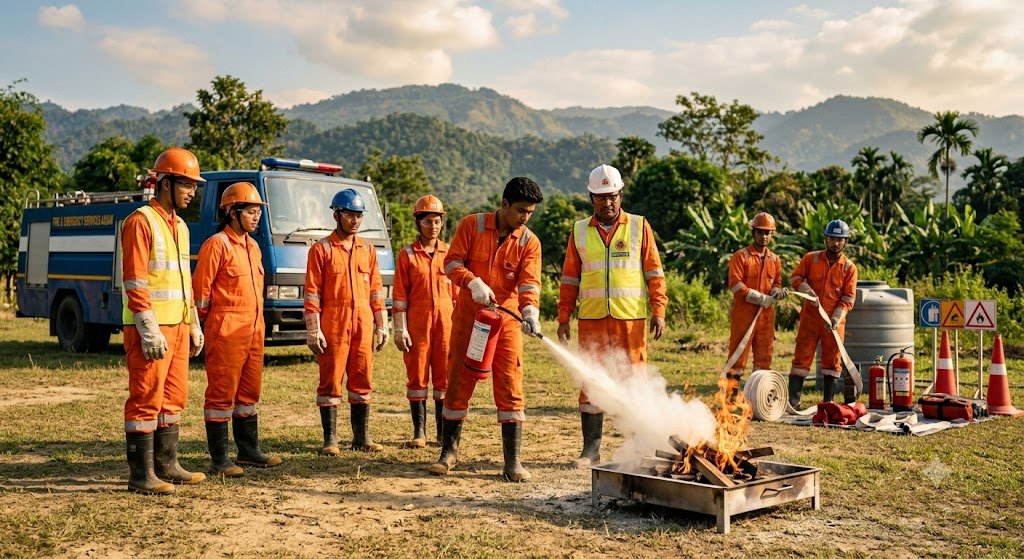
Imagine knowing how a fire extinguisher works theoretically but never having handled one during a controlled drill. In a real emergency, technical knowledge must be supported by confidence, discipline and correct procedures.
A professional fire and safety training program should therefore expose students to practical areas such as:
- Fire extinguisher handling
- Hose and hydrant drills
- Rescue techniques
- Ladder drills
- First aid and CPR
- Emergency evacuation
- Fire detection systems
- Personal protective equipment
- Hazard identification
- Emergency simulations
- Team coordination
NEFSA states that its programs include practical training, fire drills and real-time simulations in addition to classroom-based learning.
Practical training can help students understand how theoretical fire science and safety procedures are applied in real situations.
Step-by-Step: How to Start a Fire & Safety Career After 10th or 12th
Step 1: Decide When You Want to Start
If you have completed Class 10, you can investigate certificate and diploma-level fire and safety programs for which you meet the eligibility requirements.
If you have completed Class 12, you may have access to a wider selection of diploma and degree programs depending on your academic stream.
Students should always check the latest admission criteria before applying because eligibility can vary by course and institution.
Step 2: Choose the Right Fire and Safety Course
Do not select a course simply because its name sounds attractive.
Instead, evaluate:
- Eligibility requirements
- Course syllabus
- Practical training
- Training facilities
- Physical and medical requirements
- Qualification or affiliation details
- Faculty experience
- Industry exposure
- Placement assistance
- Career relevance
At NEFSA, current course options include Fire Technology & Industrial Safety Management, Diploma in Fire Sub-Officer, Diploma in Fire Safety Engineering and B.Sc. in Fire Safety & Hazard Management.
Choose the program that best matches your education level and long-term career objective.
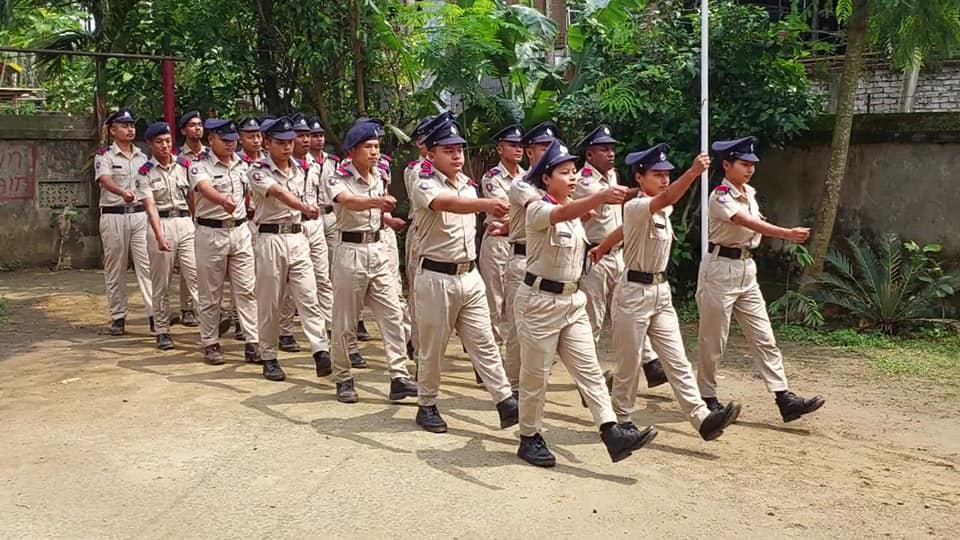
Step 3: Develop Physical Fitness and Discipline
Fire and emergency-response work can be physically demanding.
Depending on the job, a professional may have to work with safety equipment, move quickly during emergencies, participate in rescue operations and perform duties in difficult environments.
Students interested in this profession should work on:
- Physical fitness
- Stamina
- Discipline
- Alertness
- Teamwork
- Communication
- Confidence
- Ability to follow instructions
- Decision-making under pressure
NEFSA currently specifies physical and medical testing before admission to its listed fire and safety programs.
Step 4: Learn Fire Science and Hazard Management
Professional training should help students understand why fires occur and how different hazards must be managed.
Important areas may include:
Fire Science & Combustion: Understanding how fires start, develop and spread.
Fire Protection Systems: Learning about extinguishers, alarms, detection systems, hydrants and other protection equipment.
Industrial Safety: Understanding workplace hazards and methods for controlling them.
Occupational Health & Safety: Learning principles designed to create safer working environments.
Risk Assessment: Identifying hazards, analysing risks and implementing preventive measures.
Emergency Planning: Preparing organised responses for fires, accidents and other emergencies.
First Aid & Rescue: Learning how to assist people during emergency situations.
NEFSA’s published curriculum includes many of these subjects across its different programs.
Fire and Safety Is Also an Industrial Career
One common misconception is that fire and safety training is useful only for becoming a firefighter.
The field is much wider.
India’s Directorate General Factory Advice Service & Labour Institutes (DGFASLI), under the Ministry of Labour & Employment, works extensively in occupational safety and health. Its Regional Labour Institute in Kolkata serves eastern and northeastern states including Assam, Meghalaya, Nagaland, Tripura, Sikkim and Arunachal Pradesh and focuses on areas including industrial safety, industrial hygiene and industrial medicine.
DGFASLI also conducts professional training in areas such as process safety management, electrical hazards, personal protective equipment and occupational safety and health.
This highlights an important point for students:
Fire and safety is connected not only with emergency services but also with the broader world of occupational and industrial safety.
Where Can Fire & Safety Professionals Work?
Depending on their qualification, skills, experience and employer requirements, trained candidates may explore opportunities across sectors such as:
- Manufacturing industries
- Construction and infrastructure
- Oil and gas
- Petrochemical industries
- Power plants
- Warehouses
- Airports
- Hotels and large commercial establishments
- Hospitals
- Educational institutions
- Industrial facilities
- Emergency-response organisations
- Safety service companies
- Public-sector organisations
- Government departments, subject to recruitment rules
Potential job titles may include:
- Fire Safety Officer
- Fireman
- Fire Safety Technician
- Industrial Safety Supervisor
- Safety Inspector
- Emergency Response Officer
- Fire Sub-Officer
- Safety Engineer
- Safety Auditor
- EHS Officer
- Risk Assessment Officer
- Disaster Response Coordinator
The exact position for which a candidate qualifies depends on education, certification, experience, physical standards, employer requirements and applicable recruitment rules.
Can a Fire & Safety Course Get You a Government Job?
A fire and safety qualification can help you develop relevant knowledge and skills, but completing a course does not automatically guarantee a government job.
Government departments conduct recruitment according to their own notifications, eligibility requirements, age limits, physical standards, written examinations, medical standards and selection procedures.
The official Assam Fire & Emergency Services website maintains separate recruitment criteria for positions including:
- Fireman and Emergency Rescuer
- Sub Officer
- Station Officer
- Driver and Driver Operator
Students planning specifically for Assam government fire-service careers should regularly check official recruitment notifications rather than relying only on information from training institutes or social media.
Why Fire Safety Knowledge Matters in Assam
Fire prevention is an important part of public and workplace safety.
The Assam Fire & Emergency Services department is responsible for areas including fire prevention, fire-safety requirements and the issuance of Fire Safety NOCs.
The department states that fire-safety measures for relevant premises are evaluated through prescribed requirements and inspection procedures.
At the national level, occupational safety is also an important part of India’s workplace regulatory framework. The Occupational Safety, Health and Working Conditions Code includes responsibilities relating to maintaining appropriate health, safety and working conditions in establishments.
For aspiring professionals, this demonstrates why industries need people who understand hazard identification, emergency planning, fire protection and workplace safety.
Skills You Should Develop Alongside Your Course
A certificate or diploma alone should not be the end of your preparation.
Strong fire and safety professionals develop both technical and personal skills.
Technical Skills
Focus on understanding:
- Fire classification
- Fire extinguishing methods
- PPE usage
- Fire protection equipment
- Industrial hazards
- Emergency evacuation
- First aid
- Rescue procedures
- Risk assessment
- Safety inspections
Communication Skills
Safety professionals frequently need to communicate instructions to workers and teams. Clear communication becomes particularly important during emergencies.
Leadership
Emergency situations require discipline and coordination. Leadership skills become increasingly valuable as professionals move toward supervisory roles.
Observation
Safety work often involves identifying a dangerous situation before it becomes an accident.
Teamwork
Fire and emergency operations depend heavily on coordinated teamwork rather than individual action.
Career Growth After Your First Qualification
Your first fire and safety course should be viewed as the beginning of your professional development.
A possible career journey could look like:
Class 10/12 → Fire & Safety Training → Entry-Level Safety Role → Practical Experience → Advanced Qualification → Supervisor/Safety Officer/EHS Role
Candidates may later strengthen their profiles through higher education, specialised occupational safety courses and industry experience.
DGFASLI, for example, conducts advanced statutory and professional programs in industrial safety and occupational health for candidates who satisfy their respective eligibility requirements.
Continuous learning is particularly important because safety professionals must understand evolving technology, workplace practices and regulatory requirements.
Why Consider NEFSA Fire Academy in Assam?
For students who want to pursue fire and safety education within Assam, North Eastern Fire Service Academy (NEFSA) provides several training pathways.
According to NEFSA’s official website, the academy is based in Dibrugarh, Assam and states that it is affiliated with the Government of Assam’s Skill, Employment and Entrepreneurship Department. Its stated objective is to prepare youth from Northeast India for fire and safety careers through structured professional training.
Current NEFSA programs include:
Fire Technology & Industrial Safety Management
Eligibility: 10th Pass
The program covers areas including fire science, industrial safety, fire protection systems, occupational health and safety, risk assessment and emergency planning.
Diploma in Fire Sub-Officer
Eligibility: 10th Pass
Training focuses on firefighting techniques, rescue operations, first aid, drills, fire-station operations and disaster response.
Diploma in Fire Safety Engineering
Eligibility: 10th Pass
The course includes fire-safety engineering, detection and alarm systems, safety regulations, electrical and chemical safety, accident investigation and safety audits.
B.Sc. in Fire Safety & Hazard Management
Eligibility: Higher Secondary – Science Stream
This advanced program covers fire engineering, environmental health and safety, disaster management, safety-management systems and industrial and construction safety.
Students should contact the academy and verify the latest eligibility, duration, fees, affiliation/recognition applicable to their chosen course, examination arrangements and admission requirements before enrolling.
Fire & Safety After 10th or 12th: Is It the Right Career for You?
Fire and safety can be a suitable career path if you:
- Prefer practical learning
- Are disciplined and physically active
- Can remain calm under pressure
- Want a responsibility-oriented profession
- Are interested in industrial and workplace safety
- Enjoy teamwork
- Want to learn emergency-response skills
- Are willing to continue learning throughout your career
This profession requires responsibility because the decisions of trained safety personnel can directly affect people, property and workplaces.
Start Your Fire & Safety Journey with NEFSA
You do not necessarily have to wait until completing a university degree to start developing professional fire and safety skills.
Students who have completed Class 10 can already explore eligible vocational and diploma pathways, while Class 12 students can consider both professional training and, where eligible, degree-level education.
The key is to choose a course carefully, build strong practical skills, maintain physical fitness and understand that a successful career develops through a combination of education, training, discipline, experience and continuous learning.
For students in Assam who want structured Fire & Safety education, NEFSA Fire Academy in Dibrugarh provides pathways starting from Class 10 and extending to higher-level fire and hazard-management education.
A career in Fire & Safety is more than learning how to fight a fire. It is about learning how to prevent emergencies, protect workplaces, respond responsibly and help safeguard lives and property.
Take the first step towards becoming a trained Fire & Safety professional with NEFSA Fire Academy, Assam.
Backlinks
- Assam Fire & Emergency Services – Government of Assam
https://fireandemergencyservices.assam.gov.in/ - Recruitment Criteria – Assam Fire & Emergency Services
https://fireandemergencyservices.assam.gov.in/information-services/recruitment-criteria - Fireman & Emergency Rescuer Recruitment Criteria – Assam
https://fireandemergencyservices.assam.gov.in/information-services/detail/recruitment-criteria-for-the-post-of-fireman-fes-emergency-rescuer-sdrf - DGFASLI – Directorate General Factory Advice Service & Labour Institutes
https://dgfasli.gov.in/en/ - National Qualification Register – Fire Safety Technician
https://www.nqr.gov.in/qualifications/1310 - National Qualification Register – Government of India
https://www.nqr.gov.in/qualifications-search - Occupational Safety, Health and Working Conditions Code, 2020
https://labour.gov.in/sites/default/files/osh_as_passed_by_lok_sabha.pdf - Fire Safety NOC – Assam Fire & Emergency Services
https://fireandemergencyservices.assam.gov.in/information-services/apply-for-issue-of-fire-safety-noc