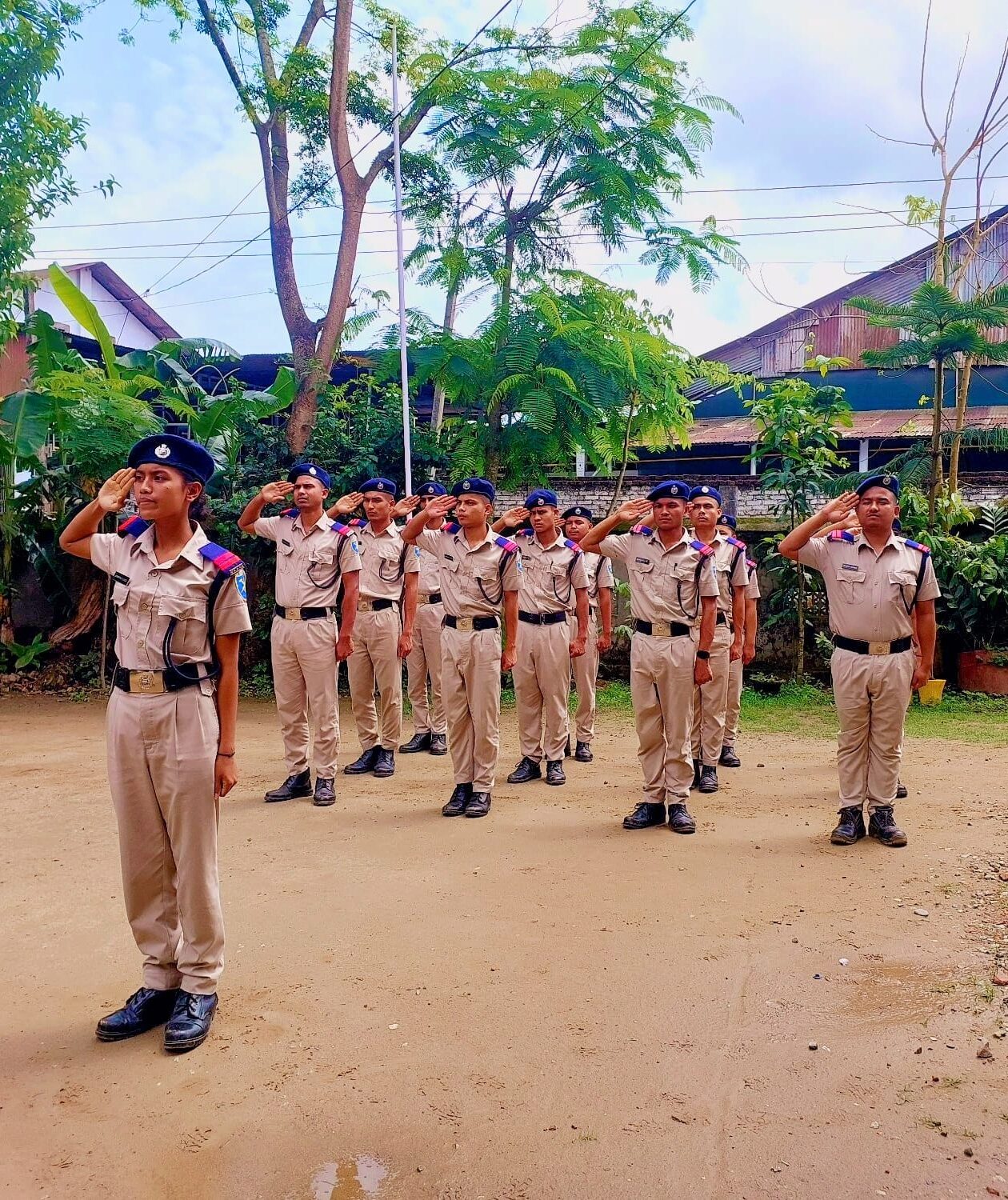
Fire and workplace safety are no longer limited to emergency response. Modern industries need trained professionals who understand fire prevention, hazard identification, evacuation, rescue, occupational safety, emergency planning and the correct use of firefighting systems.
For students in Assam and the wider Northeast who want to build a career in this field, choosing the right training environment is therefore an important decision. North Eastern Fire Service Academy (NEFSA) in Dibrugarh, Assam, focuses specifically on fire, industrial safety and emergency-response education, combining classroom instruction with practical training. NEFSA’s official website states that the academy is affiliated with the Government of Assam’s Skill, Employment & Entrepreneurship Department and that its mission includes developing employable fire-and-safety personnel from across Northeast India.
That regional focus, combined with practical drills, specialist courses and publicly presented placement outcomes, helps explain why NEFSA Fire Academy is becoming a trusted choice for fire & safety education in Northeast India.
Why Fire & Safety Education Matters More Than Ever
Occupational safety is an important part of modern industry. The International Labour Organization describes occupational safety and health as the protection of workers from occupational accidents and diseases and recognizes a safe and healthy working environment as a fundamental principle and right at work.
India’s safety framework also places considerable emphasis on workplace conditions and fire protection. The Occupational Safety, Health and Working Conditions Code places responsibility on employers to maintain prescribed health and safety conditions.
Fire safety is equally important in the built environment. The Bureau of Indian Standards’ National Building Code of India 2016 includes an entire section—Part 4—covering Fire and Life Safety, including fire prevention, safe evacuation, firefighting installations, fire drills and fire protection requirements.
This means trained safety personnel can have relevance across sectors such as manufacturing, oil and gas, construction, infrastructure, warehouses, hospitality, healthcare, commercial facilities and emergency services.
NEFSA Fire Academy: Fire & Safety Training from Northeast India
NEFSA is based at Barbaruah NH-37, near Bypass Charali (Zero Point), Dibrugarh, Assam. Its stated objective is to develop skilled fire-and-safety personnel while supporting employment and safety awareness across the Northeast.
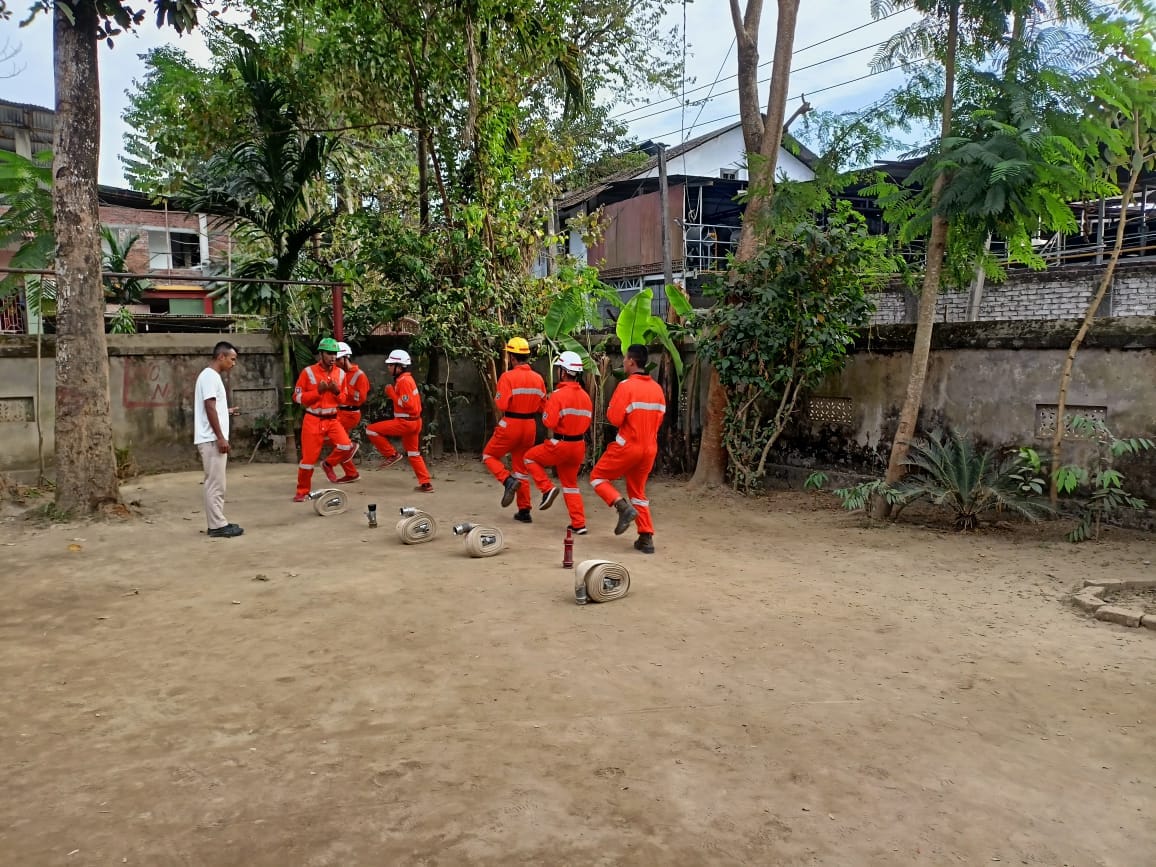
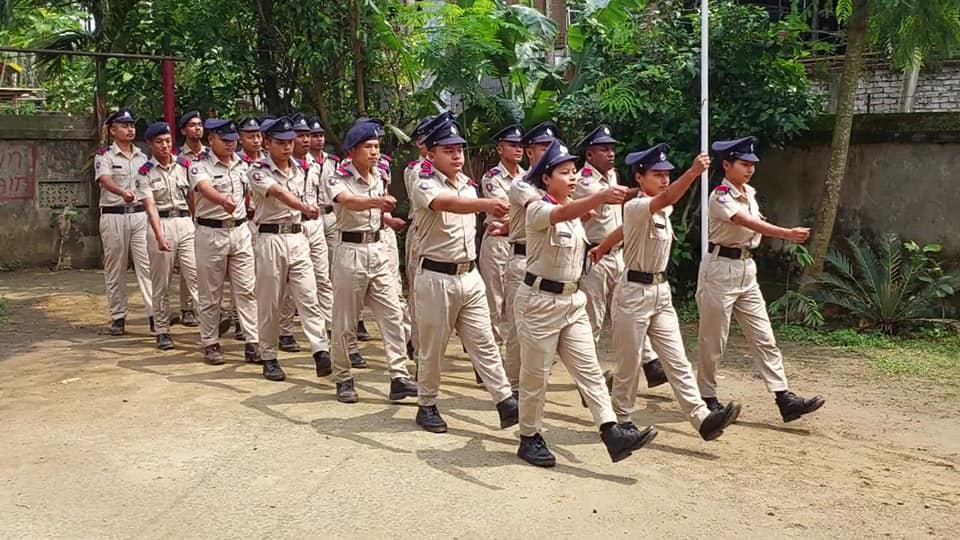
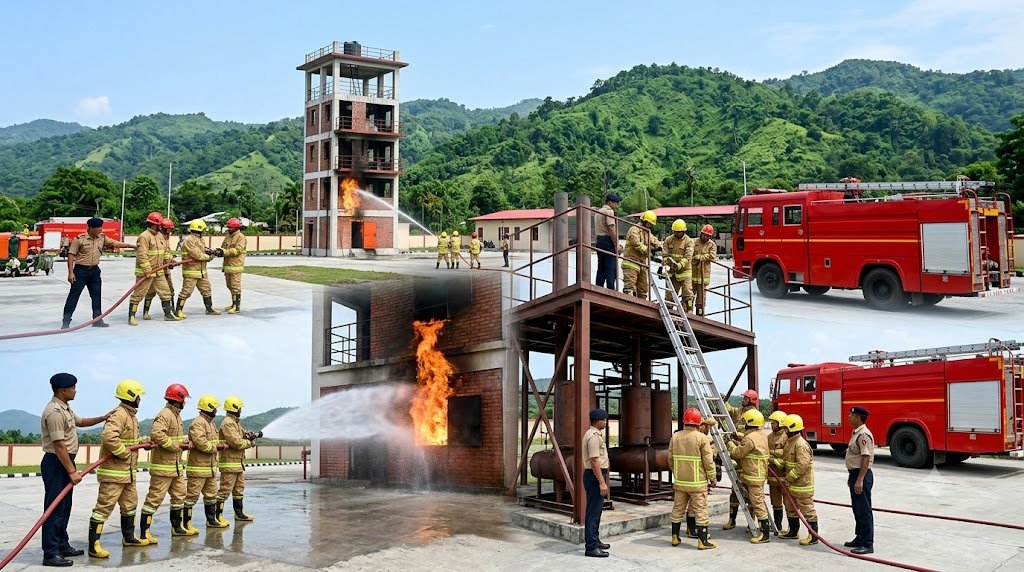
The academy’s website emphasizes a combination of structured theory and practical exercises rather than classroom learning alone. Its course information specifically mentions fire drills, simulations, equipment handling, rescue operations, CPR, evacuation procedures, risk assessment and emergency-response planning.
That approach matters because firefighting and emergency response are inherently practical disciplines.
The Government of India’s National Fire Service College also uses rigorous practical training, demonstrations, exercises and drills as important elements of professional fire-service education, reinforcing the importance of hands-on training in this field.
Professional Fire & Safety Courses at NEFSA
NEFSA currently presents several career-oriented programs covering entry-level, diploma and degree-level education.
| Program | Key Areas Covered |
|---|---|
| Fire Technology & Industrial Safety Management | Fire science, industrial safety, fire protection systems, occupational safety, hazard control and emergency planning |
| Diploma in Fire Sub-Officer | Firefighting, rescue, first aid, evacuation, equipment handling and fire-station operations |
| Diploma in Fire Safety Engineering | Fire protection design, detection systems, electrical and chemical safety, accident investigation and safety auditing |
| B.Sc. in Fire Safety & Hazard Management | Fire engineering, EHS, disaster management, industrial safety and safety-management systems |
The academy lists Class 10 eligibility for its Fire Technology & Industrial Safety Management, Diploma in Fire Sub-Officer and Diploma in Fire Safety Engineering programs, while the B.Sc. program requires higher secondary education in the science stream. Its course page also states that physical and medical tests are mandatory before admission and that practical training, drills and simulations form part of all courses.
Students should always confirm the latest eligibility, awarding body, affiliation, course duration, fees and certification details directly with the academy before admission, as these details can change.
Practical Training Makes Fire Safety Education More Effective
Reading about firefighting is very different from handling equipment during an emergency.
NEFSA’s Diploma in Fire Sub-Officer curriculum, for example, identifies training in firefighting techniques, equipment handling, rescue operations, first aid, evacuation, communication systems and disaster-response management. Its course page specifically mentions hose drills, ladder drills, CPR and real-time emergency simulations.
Practical training can help students understand how to act when conditions are stressful, time-sensitive or hazardous.
This focus also aligns with wider professional fire-service training. The National Fire Service College describes its professional courses as covering fire, emergency and rescue calls, while its specialized training includes areas such as disaster management, urban search and rescue, hazardous materials and breathing apparatus.
For students evaluating a fire safety training institute in Northeast India, the quality and frequency of practical training should therefore be one of the most important criteria.
Learning Beyond Firefighting: Industrial and Occupational Safety
Modern safety professionals need broader knowledge than how to extinguish a fire.
NEFSA’s curriculum includes topics such as occupational health and safety, risk assessment, hazard control, industrial safety management, fire detection systems, accident investigation, safety auditing and disaster planning.
These areas are relevant because workplace safety is preventive as much as reactive.
A skilled safety professional should be able to recognize hazards before they become emergencies, understand evacuation procedures, promote correct equipment usage, support workplace safety systems and contribute to an organizational culture of prevention.
The ILO similarly emphasizes risk management, prevention, worker involvement and building a strong safety culture as key components of effective occupational safety and health management.
Career-Oriented Training for Northeast India’s Youth
Another reason NEFSA has relevance within the region is its specific focus on skill development and employability.
The Assam Government’s Skill, Employment & Entrepreneurship Department states that its mandate includes providing quality skill training to young people and supporting gainful employment through institutions such as the Assam Skill Development Mission.
NEFSA states that its own objective similarly includes training unemployed youth from Northeast India for fire-and-safety roles in industries, PSUs and other organizations.
For a student from Assam or neighboring Northeast states, receiving specialized training within the region may also reduce the need to relocate far from home simply to begin professional safety education.
Placement Outcomes Provide an Important Trust Signal
Training becomes more meaningful when students can see examples of career outcomes.
NEFSA’s current placement page publicly lists 52 alumni and their reported organizations and job roles. The published examples include Safety Supervisor, Fireman, Operator, Trade Instructor and Station In-charge positions, with organizations shown on the page including Gujarat Vadodara Refinery, ITI Guwahati and Oil India Limited’s Duliajan Satellite Fire Station.
These are academy-published placement records rather than independently audited placement statistics, so prospective students should ask for current placement details, recruitment conditions and employer verification during admission counselling.
Even so, publishing identifiable placement outcomes provides prospective students with more information than generic promises such as “100% placement.”
Career Options After Fire & Safety Education
Depending on qualifications, training, recruitment requirements and experience, fire-and-safety education can prepare students to explore roles such as Fire Safety Officer, Firefighter, Fire Sub-Officer, Industrial Safety Supervisor, Safety Inspector, Emergency Response Officer, Safety Auditor, EHS Officer, Hazard-Control Specialist or Safety Consultant.
NEFSA identifies many of these career pathways against its individual courses.
However, completing a course does not automatically guarantee eligibility or appointment to any government, PSU or private-sector post. Each employer can prescribe its own education, physical standards, certification, experience and recruitment process.
Making this distinction clear improves both student trust and the credibility of the academy’s online content.
Why Students May Consider NEFSA Fire Academy
Several characteristics make NEFSA worth considering for students researching the best fire academy in Northeast India: its specialist focus on fire and industrial safety, practical drills and simulations, different academic pathways, Northeast-based location, occupational-safety curriculum and publicly displayed alumni placement records.
NEFSA’s positioning also fits into a broader professional safety ecosystem in which fire prevention, rescue capability, occupational safety and emergency preparedness are increasingly interconnected.
The strongest way to evaluate any academy is not simply to rely on the word “best.” Students should compare curriculum, affiliation and certification details, practical facilities, faculty experience, actual placement evidence, eligibility requirements, fees and student outcomes.
Who Can Consider Fire & Safety Courses?
NEFSA’s current course structure provides entry points after Class 10 for several programs and a science-stream higher-secondary route for its B.Sc. program.
These programs can be relevant for students interested in disciplined, practical careers involving fire prevention, industrial safety, emergency response, rescue and workplace risk management.
Because some fire-service roles have physical and medical requirements, students should also consider their fitness and verify the requirements associated with their intended career before enrolling.
Building a Career in Fire & Industrial Safety from Northeast India
Northeast India continues to require skilled people across infrastructure, energy, industrial facilities, commercial establishments and emergency services. Safety training can provide a professional pathway for young people interested in protecting lives, workplaces and property.
For students searching for a trusted fire & safety institute in Northeast India, NEFSA combines specialized education with practical drills, industrial-safety subjects, multiple course pathways and a visible focus on career outcomes.
Its location in Dibrugarh also gives students from Assam and the broader Northeast access to specialized fire-and-safety education within the region.
Why NEFSA Fire Academy Can Be a Trusted Choice?
Choosing a career in fire and safety demands more than earning a certificate. Students need knowledge, discipline, physical preparedness, practical ability and an understanding of real workplace hazards.
NEFSA’s published curriculum emphasizes many of these areas—from fire science and equipment handling to rescue, occupational safety, hazard management and emergency planning.
For students researching fire safety courses in Assam, fire academy courses in Northeast India, Diploma in Fire Safety, Fire Sub-Officer training or industrial safety education, NEFSA Fire Academy deserves consideration as a specialist regional training institution.
The next step should be to review the latest course information, visit the training facility where possible and verify the exact academic and career pathway before admission.
Authoritative External Backlinks to Add to the Blog
| Recommended Anchor Text | Authority Source | SEO Purpose |
|---|---|---|
| National Fire Service College, Government of India | National Fire Service College | Strong government authority for professional fire-service education |
| National Building Code fire and life safety requirements | Bureau of Indian Standards – National Building Code | Supports fire-prevention and building-safety context |
| occupational safety and health at work | International Labour Organization – Safety and Health at Work | International authority supporting workplace-safety relevance |
| Skill, Employment & Entrepreneurship Department, Assam | Government of Assam Skill Department | Strong Assam/local relevance |
| NEFSA Fire & Safety courses | NEFSA Courses | Important internal/commercial-intent link for course discovery |