Choosing the right career after Class 10 or Class 12 is an important decision for every student. While engineering, medicine, commerce and general degree courses remain popular choices, many students today are also exploring skill-based professional careers that provide practical knowledge and industry-focused training.
For students interested in firefighting, industrial safety, emergency response, disaster management and workplace safety, professional fire and safety education can be an interesting career pathway.
If you are searching for a Top Fire Academy in Dibrugarh for Students After 10th and 12th, North Eastern Fire Service Academy (NEFSA) is a fire and safety training institute located in Dibrugarh, Assam, offering several courses for eligible students.
NEFSA’s official website currently lists its administration and training facilities at Barbaruah NH-37, Near Bypass Chariali (Zero Point), Dibrugarh, Assam – 786007.
Why Choose Fire and Safety as a Career After 10th or 12th?
Fire and safety is much broader than simply learning how to extinguish a fire.
Professional fire and safety education can introduce students to subjects such as fire prevention, firefighting equipment, industrial hazards, emergency planning, rescue operations, risk assessment, occupational health and safety, evacuation procedures and disaster response.
The importance of this field is also visible within India’s formal vocational-training ecosystem.
The Directorate General of Training (DGT), Government of India, currently lists Fire Technology and Industrial Safety Management under the Craftsmen Training Scheme. The trade has Class 10 as its entry qualification and is structured as a one-year, 1,200-hour vocational program. DGT also separately lists the Fireman trade for Class 10-pass candidates.
For students who prefer practical, disciplined and career-oriented education, this makes fire and industrial safety worth considering after school.
Growing Importance of Fire and Emergency Services
The importance of fire prevention and emergency-response professionals is increasing alongside urban development, industrial activity and expanding infrastructure.
The Fire & Emergency Services, Government of Assam states that increasing urbanisation, population and industrialisation are contributing to greater demand for fire and emergency services.
The department also explains that modern fire and emergency services involve more than firefighting; their responsibilities extend to search, rescue and disaster mitigation.
This wider role shows why today’s fire-safety professionals need knowledge of prevention, emergency planning, rescue procedures and risk management in addition to conventional firefighting skills.
NEFSA – Fire & Safety Training in Dibrugarh, Assam
North Eastern Fire Service Academy (NEFSA) is based in Dibrugarh and focuses on professional education in fire and safety-related fields.
NEFSA’s own website describes the academy as affiliated with the Government of Assam, Skill, Employment & Entrepreneurship Department. Students and parents should always verify the current recognition or affiliation applicable to the specific course they intend to join before admission.
The academy currently lists courses for both Class 10-pass and higher-secondary students, making it an option for young people who want to start developing professional fire and safety skills relatively early.
Fire Technology & Industrial Safety Management After 10th
One of NEFSA’s major programs is Fire Technology & Industrial Safety Management.
According to the academy’s current course information, students who have passed Class 10 are eligible for this program.
Subjects listed by NEFSA include:
Fire science and combustion, industrial safety management, fire protection systems and equipment, occupational health and safety, risk assessment and hazard control, disaster management and emergency planning.
NEFSA says the program is designed to develop skills relevant to fire prevention, industrial safety and emergency-response operations.
The field itself also has recognition within the national vocational-training framework, as the Directorate General of Training maintains Fire Technology and Industrial Safety Management as an official CTS trade for Class 10-pass students.
This combination of classroom knowledge and practical safety concepts makes the subject particularly relevant for students interested in industrial and emergency-response environments.
Diploma in Fire Sub-Officer After 10th
NEFSA also currently lists a Diploma in Fire Sub-Officer with Class 10 eligibility.
According to the academy, training areas include firefighting techniques, equipment handling, rescue operations, first aid, fire drills, evacuation procedures, fire-station operations, communication systems and disaster-response management.
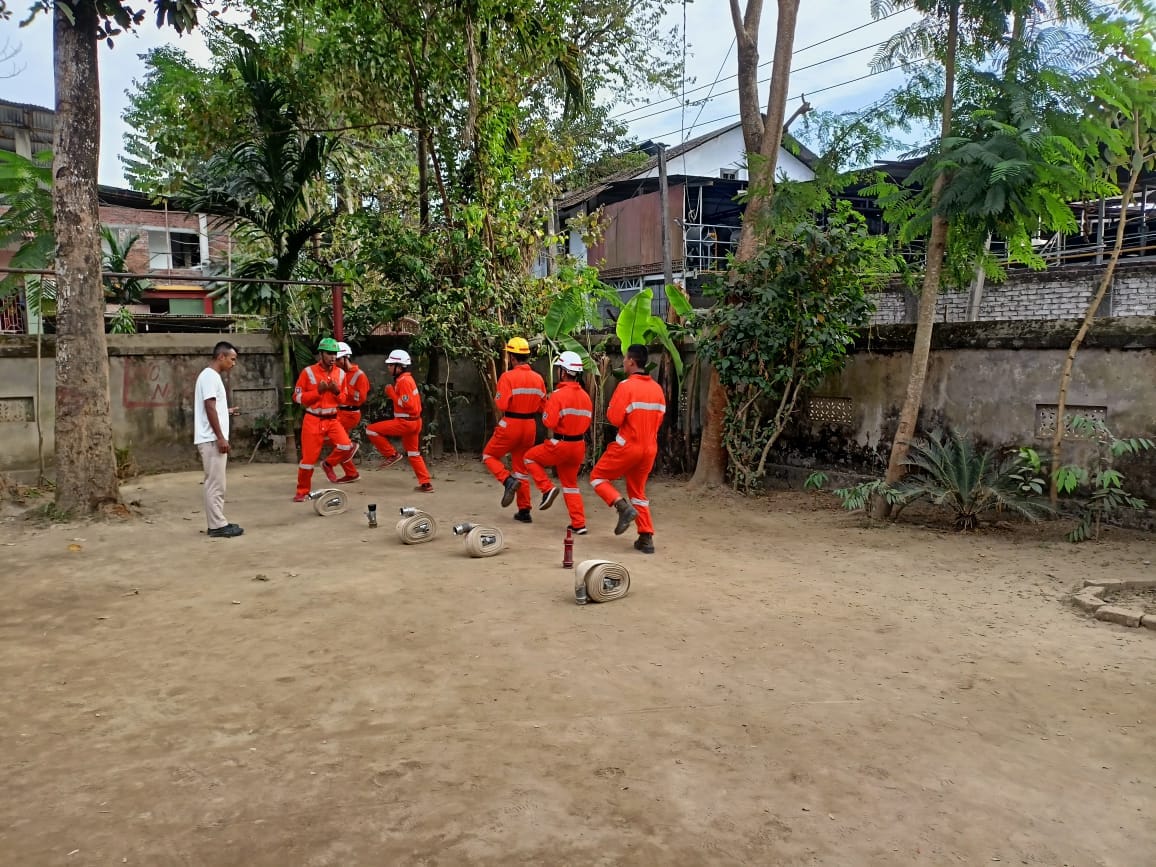
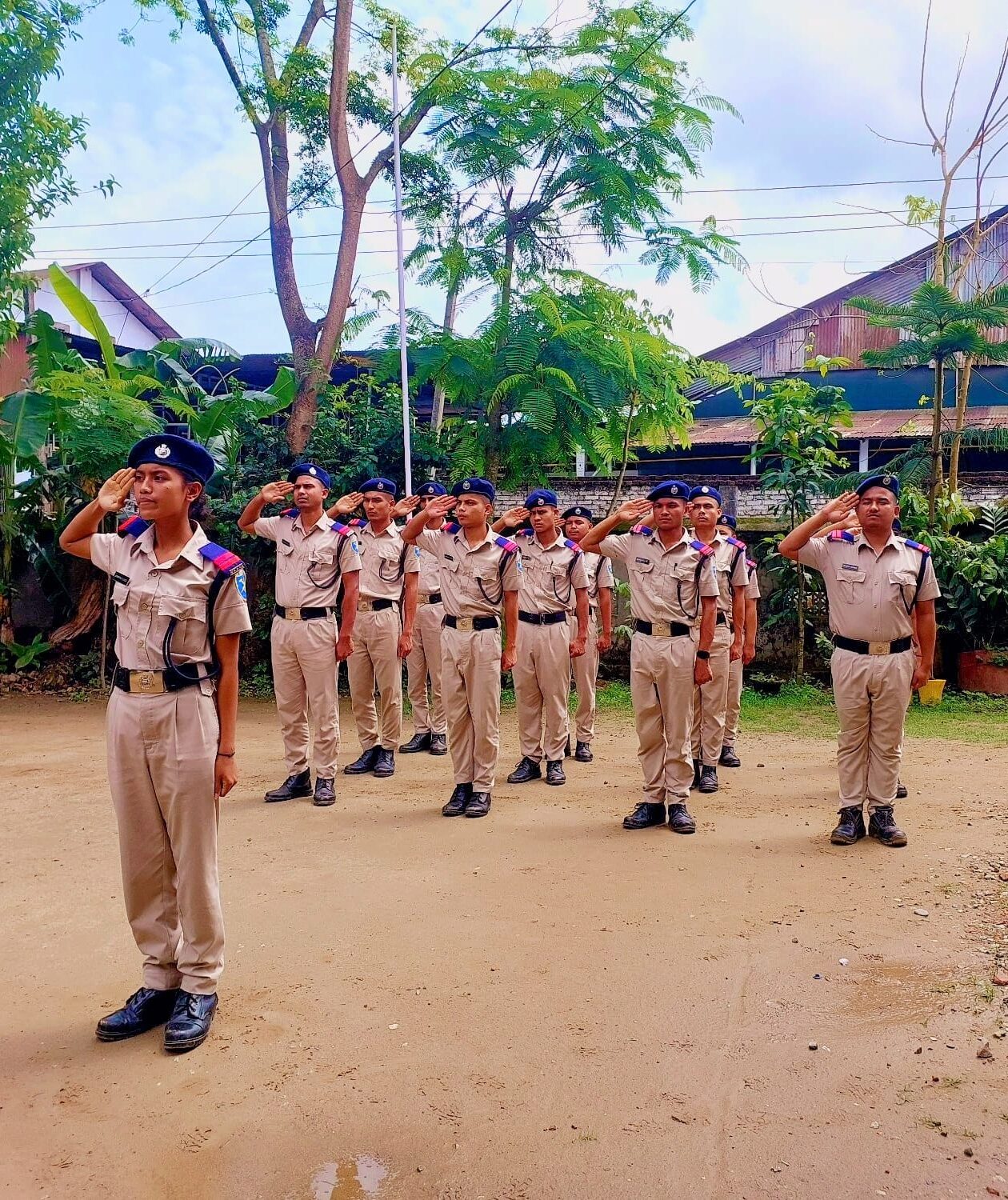
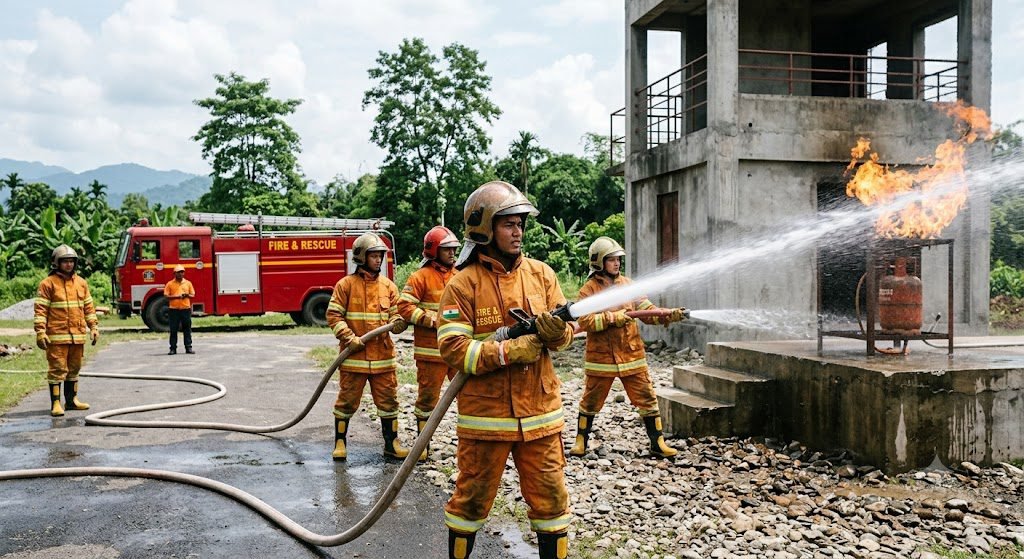
NEFSA also states that practical training includes hose drills, ladder drills, CPR and emergency simulations.
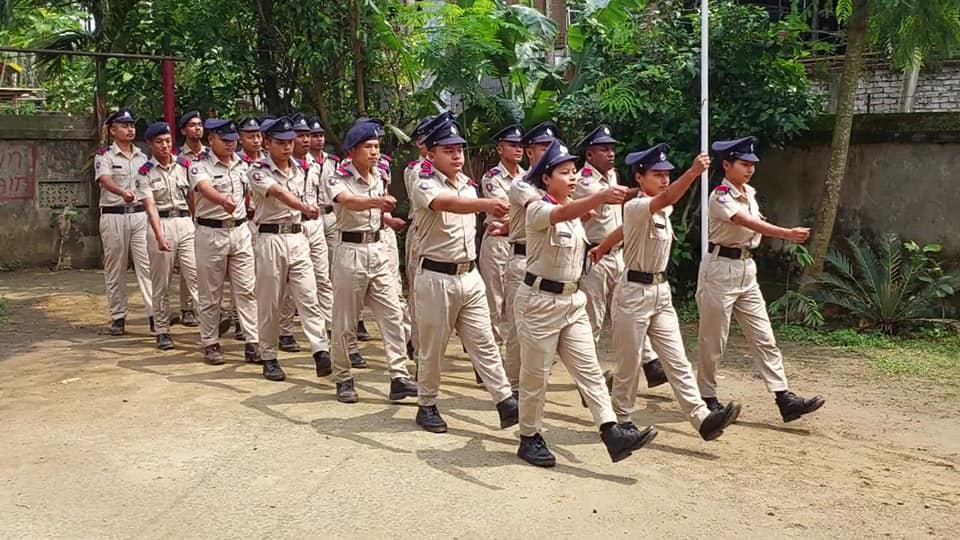
Practical exposure is particularly important in fire-safety education because students need to learn how procedures, equipment and teamwork operate during emergency situations.
Diploma in Fire Safety Engineering
Students after Class 10 can also explore NEFSA’s Diploma in Fire Safety Engineering.
The academy currently describes this program as covering subjects such as:
Fire safety engineering and design, fire detection and alarm systems, safety laws and regulations, electrical and chemical safety, accident investigation and safety audits.
These areas connect fire-safety education with modern buildings, factories, industrial operations and infrastructure.
The importance of fire protection within the built environment is also reflected in standards maintained by the Bureau of Indian Standards (BIS).
BIS’s National Building framework contains dedicated provisions concerning fire and life safety, and the current BIS standards database lists SP 7:2026 National Building Construction Standards 2026, which supersedes SP 7:2016.
This demonstrates how fire prevention and life-safety considerations form an important part of professional building and infrastructure safety.
Fire & Safety Courses After Class 12
Students completing Class 12 can continue into more advanced fire, hazard and safety-management education.
NEFSA currently lists a B.Sc. in Fire Safety & Hazard Management for students who have completed higher secondary education in the science stream.
The academy lists subjects including advanced fire engineering, environmental health and safety, disaster and hazard management, safety management systems, and industrial and construction safety.
For students who want to pursue a longer academic pathway, degree-level fire engineering also exists nationally.
The National Fire Service College (NFSC), Nagpur, under the Government of India, operates a B.Tech Fire Engineering admission pathway that uses JEE Main ranking as part of its nationalised admission process.
This shows that fire engineering and safety can progress from vocational training after Class 10 to advanced technical education.
Why Practical Training Is Important
Fire and safety is not a field that can be learned effectively through textbooks alone.
Students need exposure to equipment, drills, emergency procedures, rescue methods, evacuation, first aid, communication and safe operating practices.
NEFSA currently states that physical and medical tests are mandatory before admission and that its courses incorporate practical training, fire drills and emergency simulations.
When comparing fire academies in Dibrugarh or elsewhere in Northeast India, students should therefore examine the actual practical-training infrastructure rather than choosing an institution based only on advertisements.
Fire Safety and Industrial Career Opportunities
Modern industries face increasingly complex occupational health and safety challenges.
The Directorate General Factory Advice Service & Labour Institutes (DGFASLI) under the Ministry of Labour & Employment notes that technological development and large-scale mechanisation in sectors such as petrochemicals, chemicals, engineering and construction have created complex safety and health issues requiring qualified safety professionals.
This helps explain why knowledge of hazard identification, accident prevention, safety management, risk assessment and emergency response is relevant beyond traditional fire departments.
Depending on qualifications, additional certifications, experience and individual employer requirements, students may eventually explore areas related to fire prevention, industrial safety, emergency response, EHS, safety supervision, fire-protection systems, rescue operations and hazard management.
However, students should understand that completing a course does not automatically guarantee employment or eligibility for every Safety Officer or government position. Some statutory positions require specific recognised qualifications and professional experience.
DGFASLI, for example, maintains particular statutory industrial-safety qualifications for Safety Officer appointments covered by the applicable legal framework.
Skill Development Opportunities in Assam
Skill-based education is an important part of Assam’s employment and vocational-training ecosystem.
The Skill, Employment & Entrepreneurship Department, Government of Assam states that it works to provide quality skill training to Assam’s youth through organisations including the Directorate of Employment & Craftsmen Training and Assam Skill Development Mission.
The state’s vocational-training system specifically aims to equip young people with skills relevant to labour-market requirements and increase employability through systematic training.
For students who prefer a practical career path instead of purely academic study, professional skill development can therefore be an important option to consider.
Why Students from Northeast India Can Consider Dibrugarh?
Students searching for the best fire academy in Northeast India do not necessarily need to limit themselves to large metropolitan cities outside the region.
A Dibrugarh-based training option can be particularly convenient for students and families from Assam and other parts of Northeast India who want to investigate professional fire and safety education closer to home.
NEFSA’s location in Dibrugarh means students can explore courses in fire technology, industrial safety, firefighting, rescue and hazard management within Assam itself.
Before admission, students should personally confirm course recognition, certification, eligibility, fees, duration, hostel availability, physical requirements, placement assistance and career applicability.
How to Choose the Best Fire Academy in Dibrugarh
The term “best fire academy” should not be decided by advertising claims alone.
A student or parent should examine the academy’s training facilities, practical drills, course curriculum, trainer qualifications, affiliation or recognition relevant to the selected course, physical-training requirements and transparency regarding career opportunities.
It is also useful to determine whether students actually receive exposure to firefighting equipment, rescue exercises, evacuation procedures, emergency simulations, first aid and industrial-safety concepts.
NEFSA states that its courses combine structured theory with hands-on drills and practical training. Students considering admission should visit the institute where possible and verify the current facilities and academic information directly.
Career After 10th: Start Building Skills Early
Students who have completed Class 10 often believe that professional career training has to wait until after Class 12 or graduation.
That is not always the case.
DGT’s national vocational-training framework confirms that Fire Technology and Industrial Safety Management can be entered after Class 10.
NEFSA likewise currently lists several Class 10-entry fire and safety programs.
For students genuinely interested in emergency services, safety procedures and practical training, beginning skill development after Class 10 can therefore be one possible educational route.
Career After 12th: Move Towards Advanced Fire & Safety Education
Students after Class 12 have additional opportunities to build deeper expertise.
A student may consider degree-level education in fire safety, hazard management, fire engineering or related safety disciplines depending on academic eligibility.
NEFSA’s B.Sc. Fire Safety & Hazard Management option is currently listed for higher-secondary science-stream candidates, while NFSC demonstrates that advanced engineering-level fire education also exists within India’s broader educational system.
The right choice depends on the student’s academic background, career objectives and desired level of technical specialization.
Frequently Asked Questions
Which is a top fire academy in Dibrugarh after 10th?
NEFSA is a Dibrugarh-based fire and safety training institution offering several programs with Class 10 eligibility. Students should compare its current recognition, facilities, course structure and practical training with other available options before making an admission decision.
Can I study fire and safety after Class 10?
Yes. The Directorate General of Training currently lists Fire Technology and Industrial Safety Management with Class 10 eligibility. NEFSA also lists multiple fire and safety programs for Class 10-pass students.
Can I study fire safety after Class 12?
Yes. Depending on the student’s stream and individual course requirements, diploma and degree-level routes are available. NEFSA currently lists a B.Sc. in Fire Safety & Hazard Management for higher-secondary science-stream candidates.
Is practical training important in fire and safety?
Yes. Fire and safety requires practical understanding of emergency procedures, equipment, rescue operations, evacuation and drills. Students should therefore consider the quality of hands-on training when choosing an academy.
Start Your Fire & Safety Career in Dibrugarh
For students searching for a Top Fire Academy in Dibrugarh for Students After 10th and 12th, NEFSA provides an opportunity to explore professional fire and safety education within Assam.
Its current programs cover areas ranging from Fire Technology & Industrial Safety Management and Fire Sub-Officer training to Fire Safety Engineering and B.Sc. Fire Safety & Hazard Management.
With fire prevention, workplace safety, emergency preparedness and disaster response playing important roles across industries and communities, developing the right technical and practical skills can create a foundation for future professional growth.
Students from Dibrugarh, Tinsukia, Jorhat, Sivasagar, Dhemaji, Lakhimpur and other parts of Assam and Northeast India who are interested in this field can explore NEFSA’s current programs and contact the academy directly to verify the latest admission requirements.
A successful career in fire and safety begins not simply with obtaining a certificate, but with developing knowledge, discipline, practical skills, responsibility and a strong safety mindset.
Backlinks:-
- Fire Technology & Industrial Safety Management – Directorate General of Training (DGT)
DGT Fire Technology & Industrial Safety Management - Fire & Emergency Services – Government of Assam
Assam Fire & Emergency Services - Skill, Employment & Entrepreneurship Department – Government of Assam
Assam Skill, Employment & Entrepreneurship Department - Vocational & Craftsmen Training – Government of Assam
Vocational & Craftsmen Training Assam - ITI Admission Information – Government of Assam
ITI Admission Seekers Assam - National Building Code – Bureau of Indian Standards
BIS National Building Code - National Occupational Standards – NSDC
NSDC National Occupational Standards - National Skill Development Corporation – Model Curriculum
NSDC Model Curriculum & Occupational Standards - Assam Fire Safety NOC & Fire Prevention Services
Assam Fire & Emergency Services Official Portal - Skill Development Opportunities for Youth in Assam
Assam Skill Development Information