Fire and industrial safety have become essential aspects of modern infrastructure, industrial operations, and workplace management. From manufacturing facilities and construction projects to hospitals, commercial establishments, and energy industries, organizations require trained professionals who understand fire prevention, workplace hazards, emergency response, and safety management.
For students looking to build a career in this important field, choosing the right training institution is a significant first step.
Located in Dibrugarh, Assam, North Eastern Fire Service Academy (NEFSA) offers specialized educational programs designed to introduce students to firefighting, industrial safety, fire protection systems, and emergency management.
With its focus on technical knowledge, practical skill development, and professional discipline, NEFSA Fire Academy provides an educational pathway for aspiring fire and safety professionals from across Northeast India.
Whether you are a student who has completed Class 10 or Class 12, or someone interested in pursuing a technical career in occupational safety, understanding NEFSA’s training approach can help you make an informed decision about your future.
1. A Specialized Fire and Industrial Safety Training Institution in Northeast India
North Eastern Fire Service Academy focuses on preparing students for the responsibilities associated with fire prevention, industrial safety, and emergency response.
Unlike general educational programs, professional safety training requires a combination of scientific understanding, technical skills, physical preparedness, and situational awareness.
NEFSA’s curriculum addresses these requirements through subjects related to fire technology, industrial hazards, safety management, rescue operations, and emergency preparedness.
The academy’s location in Assam also makes it an accessible regional option for students from Arunachal Pradesh, Meghalaya, Nagaland, Manipur, Mizoram, Tripura, and other parts of Northeast India.
For aspiring professionals seeking fire and industrial safety training in NER, NEFSA provides an opportunity to explore specialized technical education within the region.
2. Industry-Relevant Fire and Safety Courses
A major consideration when selecting a training institution is whether its programs develop skills relevant to real workplace requirements.
NEFSA Fire Academy publishes a range of fire and safety programs designed for students with different educational backgrounds and career interests.
Fire Technology and Industrial Safety Management
This program introduces students to essential concepts such as fire prevention, workplace hazard identification, firefighting equipment, occupational health, and industrial safety procedures.
These areas of study can help students understand the responsibilities of safety personnel working in industrial and commercial environments.
Diploma in Fire Sub-Officer
The Fire Sub-Officer program focuses on firefighting operations, emergency coordination, rescue procedures, and operational responsibilities associated with fire services.
It is relevant to students interested in developing technical firefighting and emergency-response skills.
Diploma in Fire Safety Engineering
Fire safety engineering involves understanding how fires develop, how fire protection systems operate, and how preventive measures can reduce risks to people and property.
Students exploring this field can gain exposure to fire detection, fire protection equipment, building safety considerations, and industrial hazard management.
B.Sc. in Fire Safety and Hazard Management
This program offers a broader academic foundation in safety management, hazard assessment, and emergency preparedness.
It may appeal to eligible students interested in developing advanced knowledge for future opportunities in industrial safety, environmental health and safety, and related professional fields.
Students should verify the latest course structure, duration, qualifications awarded, recognition, and admission requirements directly with the academy before applying.
3. Emphasis on Practical Firefighting and Emergency Response Training
Fire safety is a field in which theoretical understanding must be supported by practical capability.
During an emergency, professionals may need to identify hazards, communicate effectively, use appropriate equipment, assist with evacuation, and follow established response procedures.
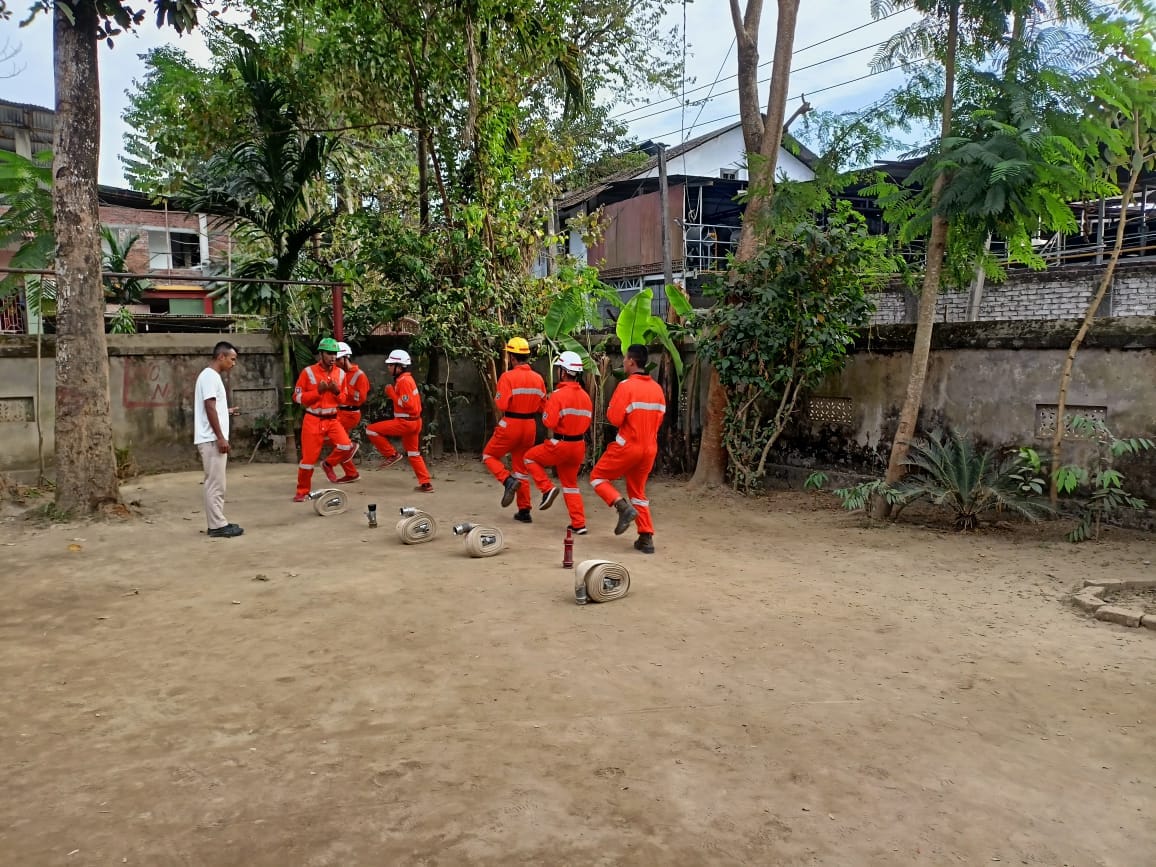
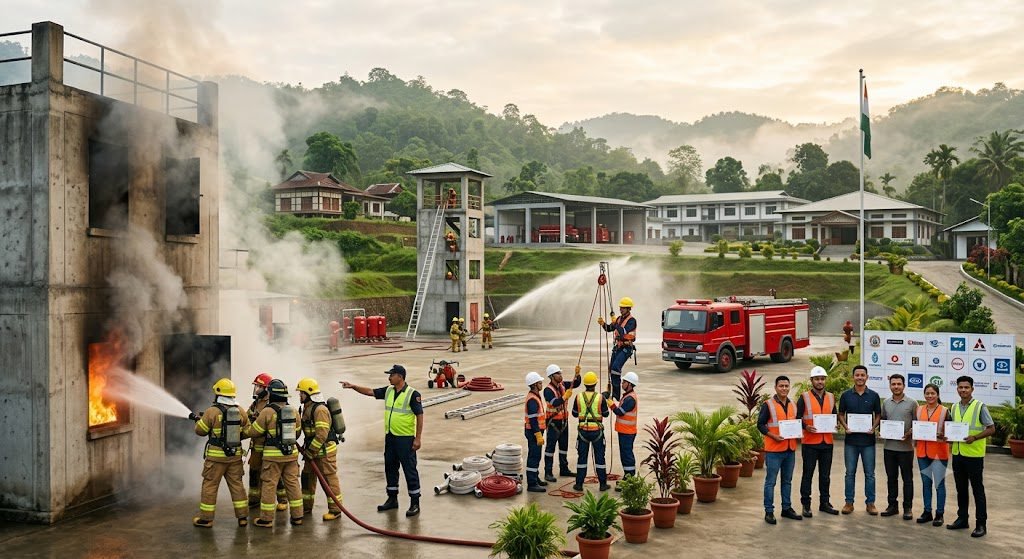
NEFSA emphasizes practical learning alongside classroom education. Its published course descriptions include firefighting drills, fire equipment handling, rescue-related exercises, and emergency preparedness.
Practical training helps students become familiar with:
-
Fire extinguishers and firefighting equipment.
-
Fire hose handling and operational procedures.
-
Emergency evacuation and rescue methods.
-
First aid and basic emergency response.
-
Identification of workplace fire hazards.
-
Team coordination during emergency situations.
Such exercises are important because fire and safety professionals must understand not only what safety procedures require, but also how those procedures are applied.
The National Fire Service College, Nagpur also emphasizes professional fire service education, demonstrating the importance of technical and practical knowledge in this sector.
Through a combination of academic instruction and hands-on learning, students can begin developing the confidence and professional awareness required in safety-related environments.
4. Understanding the Growing Importance of Industrial Safety
Industrial safety plays a critical role in preventing workplace accidents, reducing operational risks, and protecting employees, facilities, and surrounding communities.
Industries involving heavy machinery, electrical installations, hazardous materials, high-temperature processes, or extensive infrastructure require systematic safety management.
Professionals working in this field may be involved in identifying hazards, conducting inspections, supporting emergency plans, and promoting safe working practices.
The Directorate General Factory Advice Service and Labour Institutes (DGFASLI) supports occupational safety and health initiatives in India, highlighting the national importance of accident prevention and safer industrial workplaces.
Through fire and industrial safety education, students can develop foundational knowledge relevant to sectors such as construction, manufacturing, oil and gas, energy, logistics, and commercial facility management.
For students in Northeast India, where industrial activity and infrastructure development create a continuing need for effective safety practices, such training can provide a meaningful career direction.
5. Developing Professional Skills Beyond the Classroom
Technical education is only one part of preparing for a career in fire and industrial safety.
Professionals in these fields frequently work in situations that require discipline, responsibility, teamwork, attention to detail, and clear communication.
An effective safety professional must be able to identify potential dangers, explain preventive measures, follow procedures, and respond appropriately under pressure.
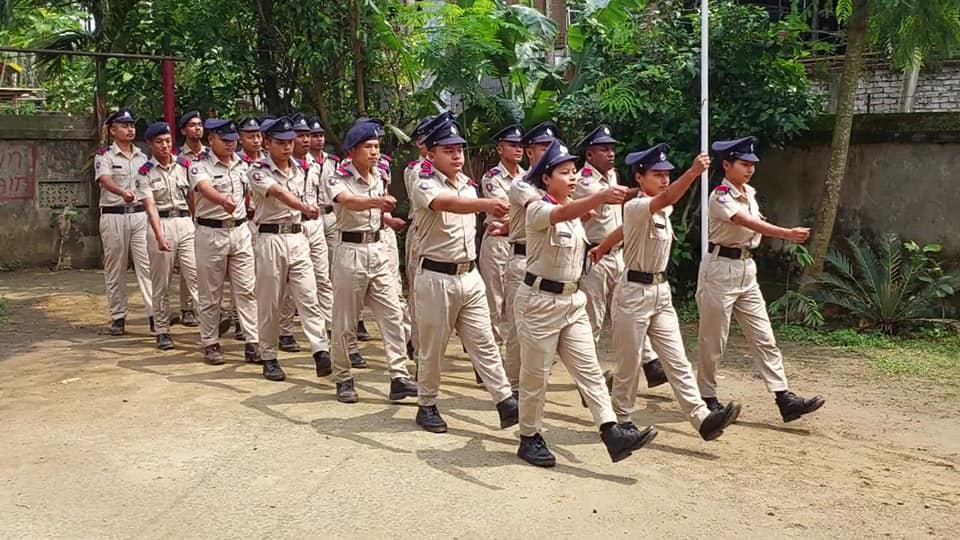
NEFSA’s training approach incorporates practical exercises and structured learning intended to support the development of these professional qualities.
Students can benefit from learning the importance of punctuality, coordination, physical preparedness, emergency planning, and responsible decision-making.
These skills are relevant not only to firefighting careers but also to broader occupational safety and industrial management roles.
6. Career Opportunities in Fire and Industrial Safety
One of the most important reasons to pursue professional fire and safety training is the variety of career pathways available across different industries.
Organizations require competent personnel to support fire prevention, workplace safety, risk assessment, and emergency preparedness.
Depending on educational qualifications, professional experience, and employer requirements, students may explore careers in:
-
Fire and Emergency Services: Firefighting operations, rescue services, and emergency preparedness.
-
Industrial Safety Management: Workplace inspections, hazard prevention, and occupational safety coordination.
-
Construction and Infrastructure: Site safety supervision, accident prevention, and emergency planning.
-
Oil, Gas, and Energy: Fire protection, industrial hazard management, and safety monitoring.
-
Corporate Health and Safety: Environmental, Health and Safety (EHS) support and workplace compliance.
-
Disaster Management: Emergency planning, community awareness, and disaster-response support.
The Government of India’s Directorate General Fire Services, Civil Defence and Home Guards recognizes professional training as an important component of developing skilled fire service personnel.
NEFSA also highlights career guidance and placement-oriented training as part of its educational mission. Its director’s statement describes former trainees entering organizations in sectors including petroleum, manufacturing, aviation, and banking. These are academy-reported outcomes rather than independently verified placement statistics.
Students should understand that completing a professional course does not automatically guarantee employment. Recruitment depends on the particular job, qualifications, selection process, and available vacancies.
Nevertheless, structured training can help candidates develop a foundation for pursuing opportunities in fire and industrial safety.
7. Supporting Career Development Across Northeast India
Northeast India has a diverse economic landscape, with activities spanning petroleum, power generation, transportation, manufacturing, construction, hospitality, and public infrastructure.
Each of these sectors involves safety responsibilities that require appropriate knowledge and procedures.
For many students across the region, pursuing technical education closer to home can be an important consideration.
NEFSA’s establishment in Dibrugarh creates an opportunity for interested learners to explore specialized fire and industrial safety courses within Assam.
According to the academy’s official institutional profile, its primary objective is to train young people across Northeast India for safety-related responsibilities in industries, public sector undertakings, and other organizations.
This regional focus makes NEFSA relevant to students seeking professional development while remaining connected to the Northeast.
8. Fire Safety Education as a Commitment to Society
A career in fire and industrial safety involves more than securing employment. It contributes directly to protecting human life, preventing accidents, and supporting safer communities.
Fire prevention professionals help organizations recognize potential hazards before they develop into serious incidents. Emergency responders assist during critical situations, while safety personnel help establish procedures that reduce risk.
NEFSA’s stated mission extends beyond classroom education to include awareness of fire prevention and accident reduction among students, workers, and communities.
This commitment connects professional training with a broader social purpose: developing individuals who understand the importance of safety and are prepared to contribute responsibly to society.
For students motivated by public service, technical problem-solving, and protecting others, fire and industrial safety can offer a rewarding professional direction.
9. Fire and Safety Courses After Class 10 and Class 12
Students do not necessarily need to complete a conventional university degree before beginning their education in fire and industrial safety.
NEFSA publishes different course options according to academic eligibility.
Its current course information lists Class 10 as the minimum educational qualification for Fire Technology and Industrial Safety Management, Diploma in Fire Sub-Officer, and Diploma in Fire Safety Engineering. The B.Sc. in Fire Safety and Hazard Management requires higher secondary education in the science stream.
The academy also specifies physical and medical assessments as mandatory admission requirements.
Before enrolling, applicants should review the program syllabus, duration, fees, assessment criteria, awarding body, and recognition relevant to their intended career.
Choosing a course that aligns with long-term professional goals is essential, particularly for students aspiring to government fire services or specialized industrial positions.
10. Why Consider NEFSA Fire Academy?
Choosing a fire safety training academy should involve evaluating educational quality, practical exposure, professional relevance, and career guidance.
NEFSA presents several qualities that prospective students may find valuable.
Its dedicated focus on fire technology and industrial safety provides an alternative to general academic programs. Its range of courses accommodates different educational backgrounds, while its practical training emphasis introduces students to the operational aspects of firefighting and emergency management.
The institution also identifies discipline, teamwork, professional responsibility, and regional youth development as important parts of its educational approach.
For students seeking fire and industrial safety training in Northeast India, these features make NEFSA an institution worth considering.
Ultimately, the right choice should be based on personal career goals, verified course details, training facilities, qualifications, and admission requirements.
How to Apply to NEFSA Fire Academy
Students interested in pursuing fire and industrial safety education can visit the official NEFSA website to review available programs and admission information.
The academy provides an online admission portal through which applicants can register, enter personal and educational information, upload required documents, and submit their applications.
For further information, applicants can contact the institution directly.
North Eastern Fire Service Academy (NEFSA)
Address: Barbaruah, NH-37, Near Bypass Charali (Zero Point), Dibrugarh, Assam – 786007
Phone: +91 9126485101 / +91 9435904101
Email: info@nefsaindia.com
Official Website: www.nefsaindia.com
Conclusion
A successful career in fire and industrial safety begins with the right education, practical skills, and a clear understanding of professional responsibilities.
As workplace safety, emergency preparedness, and industrial risk management remain essential across different sectors, specialized training provides aspiring professionals with an opportunity to develop relevant technical knowledge and capabilities.
North Eastern Fire Service Academy (NEFSA), Dibrugarh, offers students from across Northeast India a pathway to explore fire technology, industrial safety management, firefighting, and emergency-response education.
Through its published range of professional courses, practical training approach, and commitment to regional youth development, NEFSA seeks to prepare students for the responsibilities associated with safety-related careers.
For those interested in building a future dedicated to protecting lives, reducing risks, and contributing to safer workplaces, exploring the programs offered by NEFSA Fire Academy can be a meaningful first step.
Explore NEFSA Fire Academy and begin your journey toward a professional career in fire and industrial safety.