If you’re comparing fire and industrial safety courses in Assam, start with the work you want to do. Typical safety officer duties include checking workplace conditions, documenting hazards, helping teams communicate controls and following up on corrective actions. The scope of the job depends on the employer, worksite and role.
What does a safety officer do on a typical day?
- Before work: Check what tasks are planned and whether the team has the required briefings, equipment and controls for those tasks.
- During a site walk: Observe conditions, speak with supervisors and note issues such as obstructed access or a damaged barrier. Use the site’s reporting and escalation process.
- After an incident or near miss: Record factual observations, help collect information under the employer’s process and check whether assigned corrective actions are closed.
- Before the next shift: Share unresolved issues, responsible people and deadlines with the team taking over.
Five skills freshers can practise
- Observation: State what you saw and where you saw it before proposing a fix.
- Clear writing: Describe a hazard using a location, time and observable fact.
- Communication: Explain a concern in plain language and ask a supervisor to confirm who will act.
- Follow-up: Record the owner and deadline, then verify the action through the site’s process.
- Judgment: Know when a task requires a qualified specialist or needs escalation through the site’s procedure.
How to compare safety training options
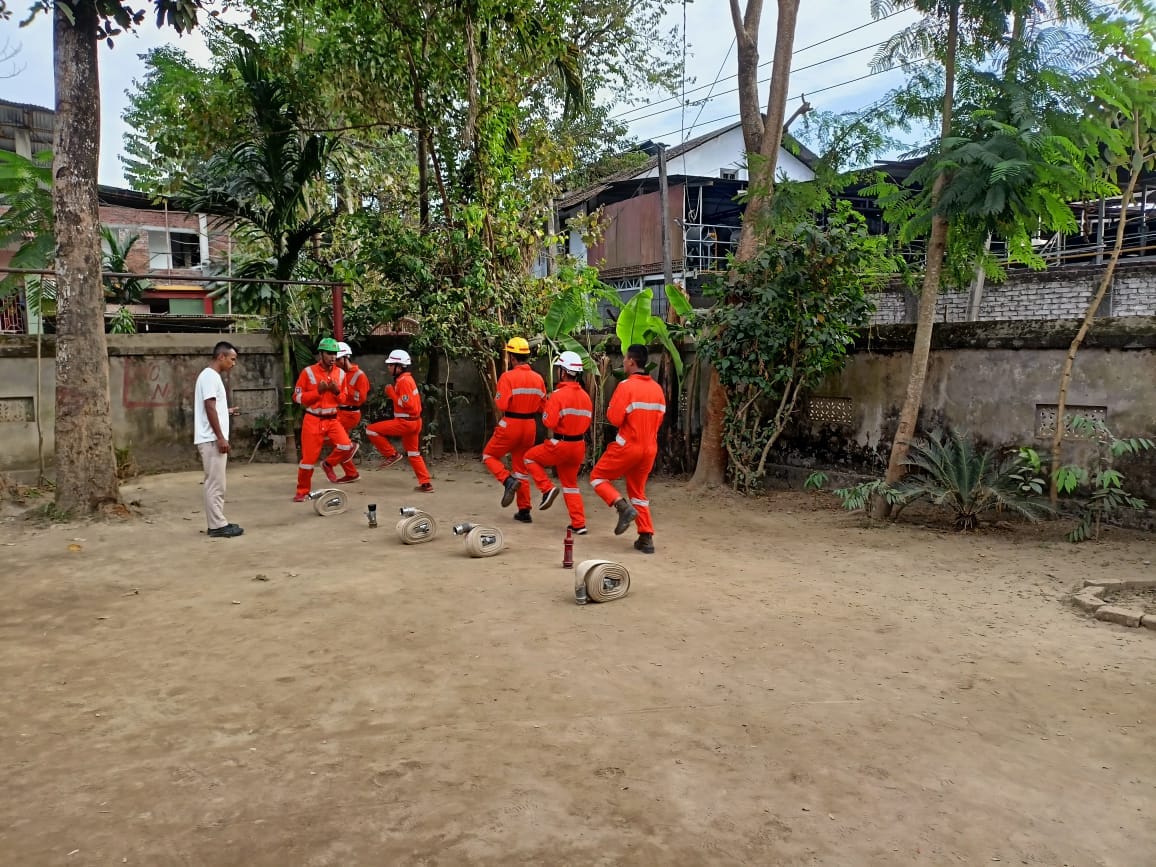
Look for supervised practice in inspections, reporting and emergency planning. Ask to see a sample exercise or assessment before enrolling. The Directorate General of Training’s Fire Technology & Industrial Safety Management trade page is a reference for the scope of that specific training pathway. For any job you want, read the actual recruitment notice and confirm the required qualification and experience with the employer.
Build a sample for your first interview
Create a mock inspection note from a classroom scenario. Write down the site area, what you observed, how you would report it and how you would check that the action was completed. If asked to discuss the example, explain why you chose that priority and how you would work with the supervisor.
Next, use NEFSA’s fire and safety interview questions for freshers and NEFSA Dibrugarh admission checklist to plan your next step.