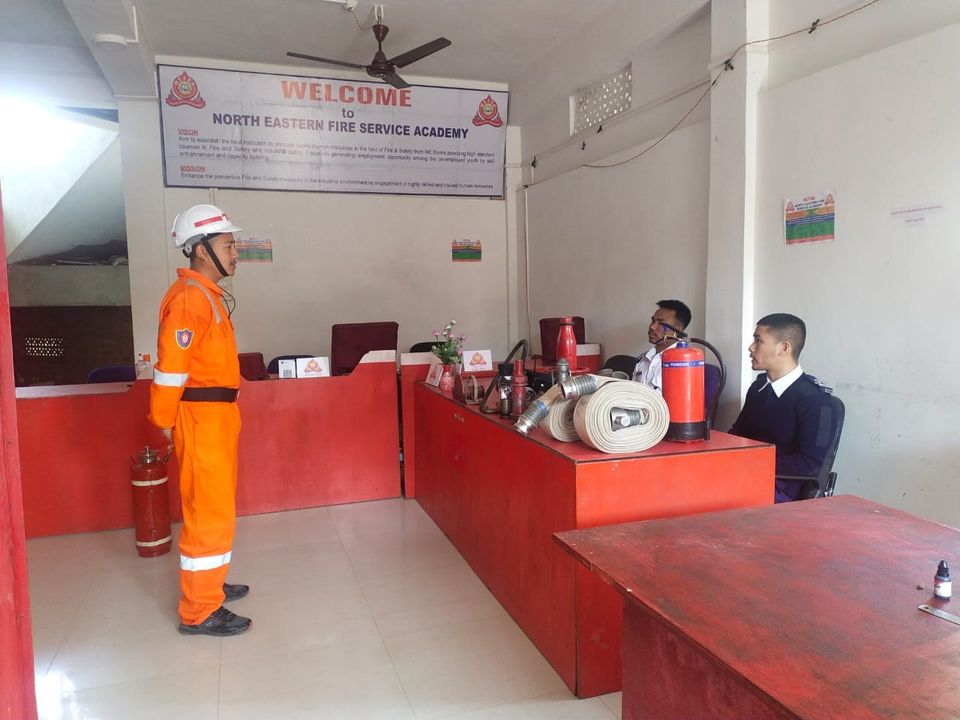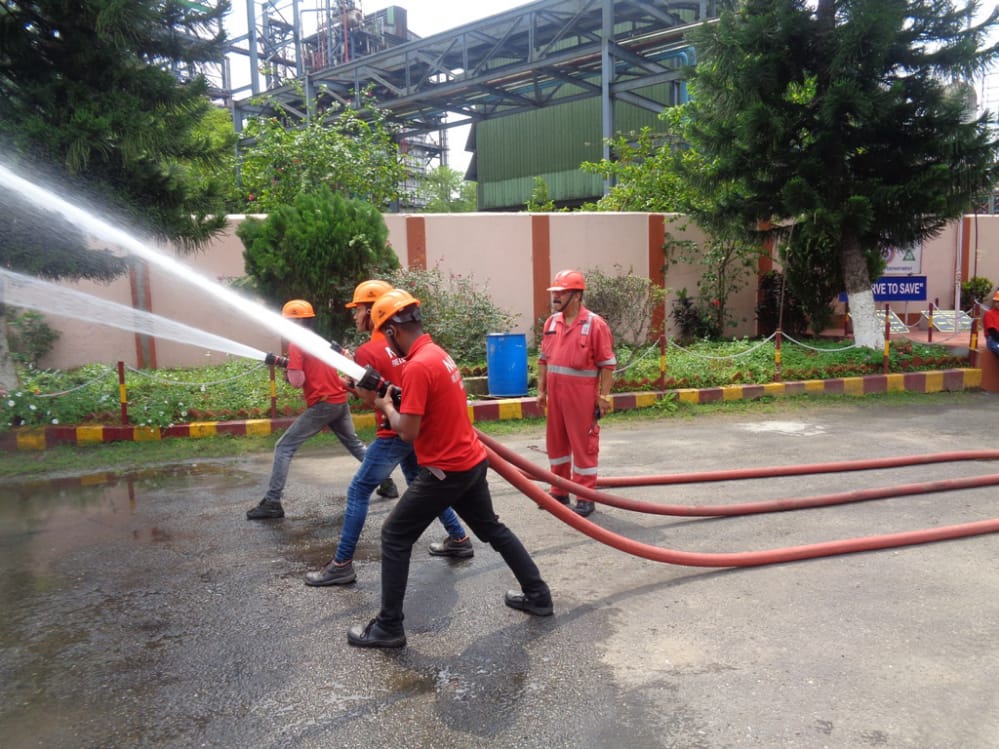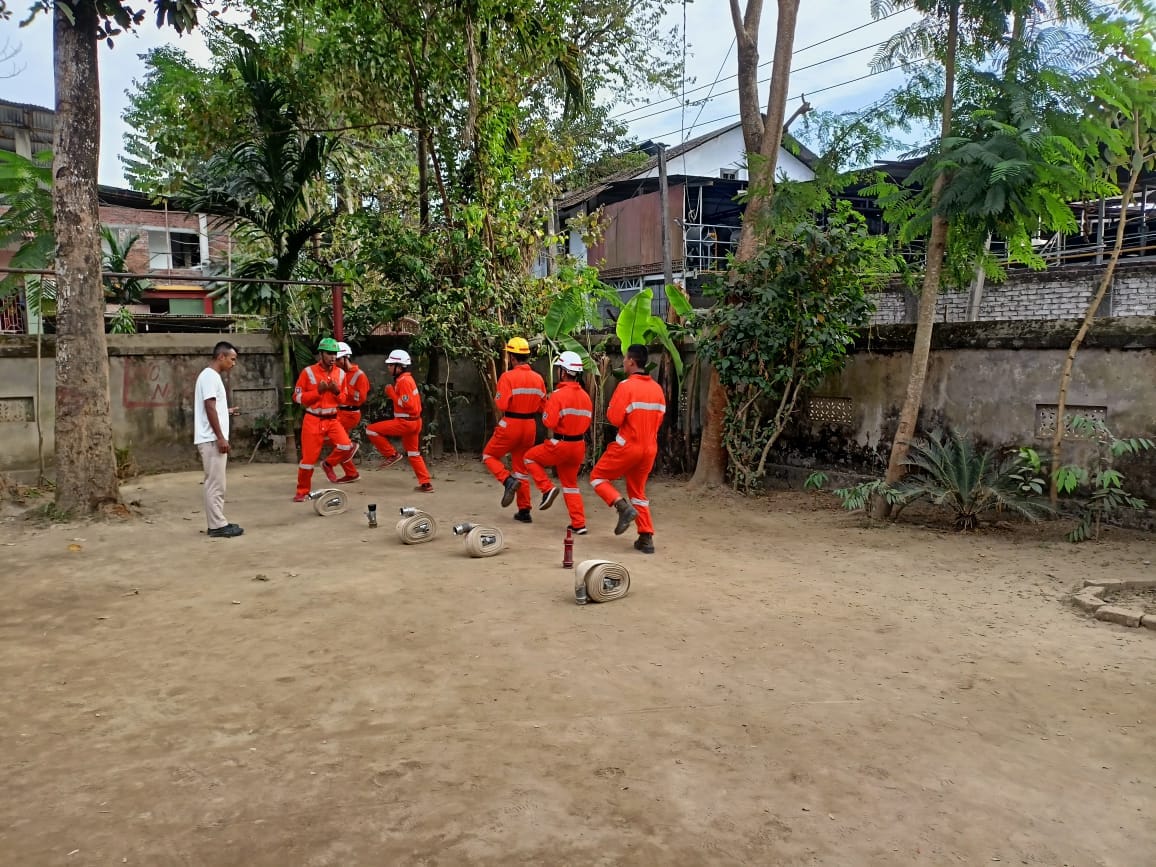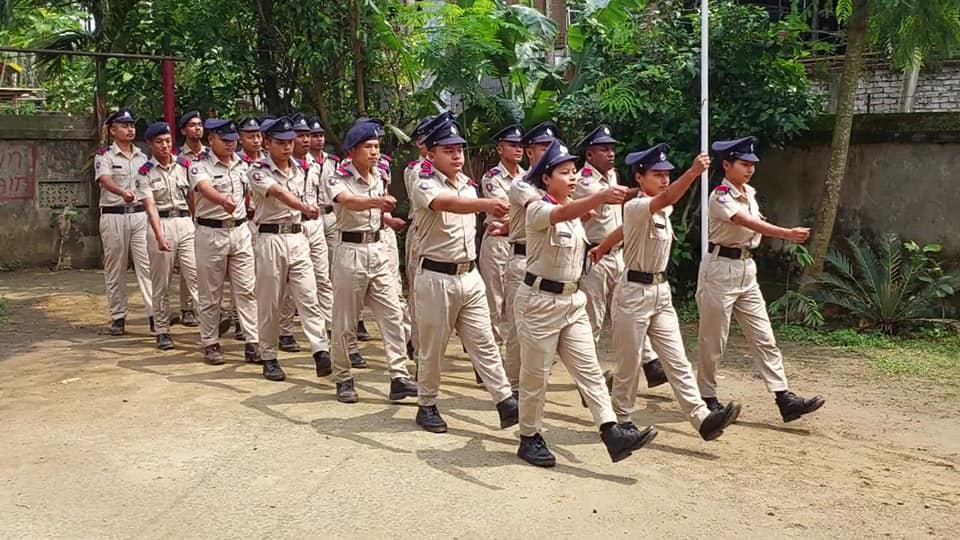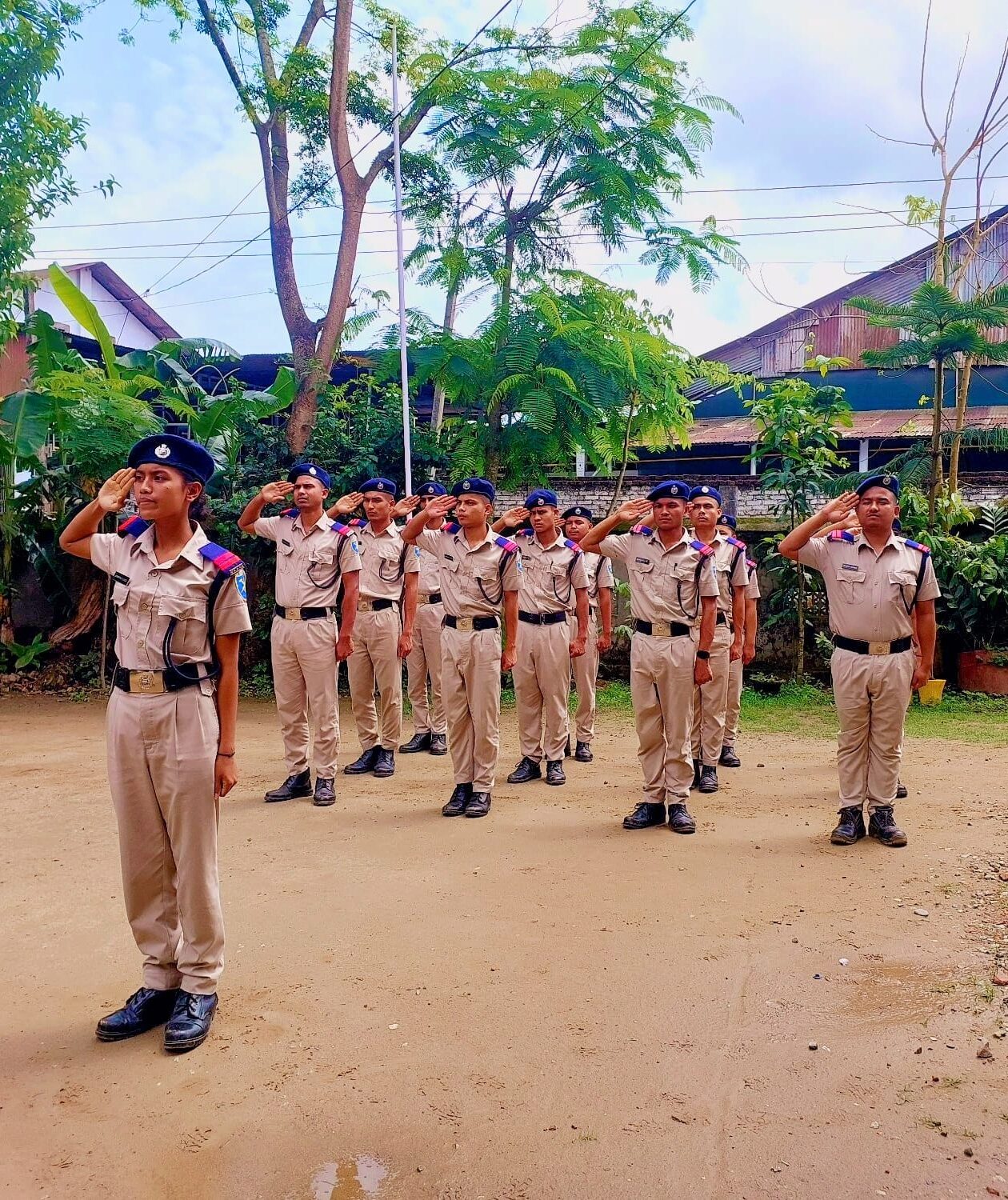
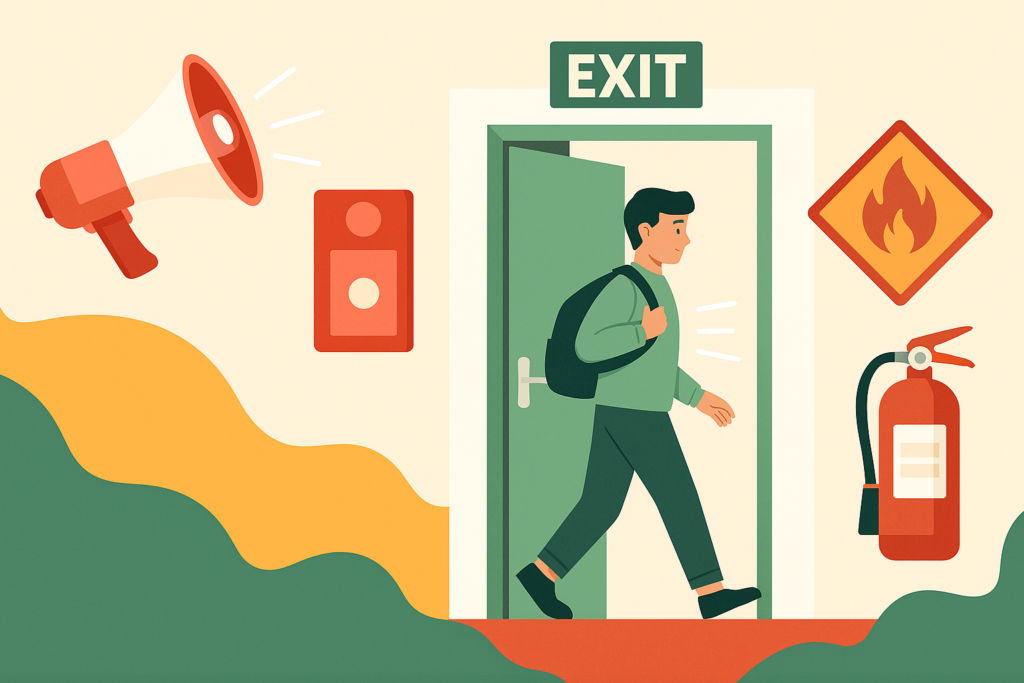
Emergency situations demand clear thinking, rapid action and pre-established routines. For NEFSA students, a robust evacuation procedure reduces confusion, prevents injury and speeds recovery after an incident. This guide sets out practical, research-aligned steps students and campus staff should follow before, during and after an evacuation presented in a professional format suitable for publication on NEFSA websites, student handbooks and safety noticeboards.
Why evacuation planning matters?
An evacuation plan transforms panic into orderly movement. Institutions that map exits, train occupants, and run regular drills significantly improve safety outcomes. Preparedness reduces decision latency, ensures vulnerable students receive help, and enables emergency services to work efficiently.
Before an emergency – essential preparation for students
-
Know your building. Identify at least two exits from every classroom, lab and dormitory room. Memorize primary and alternate routes.
-
Locate assembly points. Learn the designated assembly points for each building and the safest routes to reach them.
-
Pack a small emergency kit. Keep medication, identification, essential contact numbers and eyeglasses accessible. Do not carry bulky items that slow evacuation.
-
Report hazards. Notify campus administration about blocked exits, exposed wiring, overloaded sockets or other hazards immediately.
-
Plan for special needs. If you have mobility, hearing, visual or cognitive limitations, agree a buddy system and confirm refuge locations or assisted-evacuation procedures.
During an alarm or visible danger – step-by-step actions
-
Treat every alarm as real. React immediately do not assume it’s a drill unless explicitly told by a verified authority.
-
Evacuate via the nearest safe exit. Walk briskly; do not run. Avoid lifts/elevators and use protected stairwells when available.
-
Leave belongings. Do not delay egress to collect non-essential items. Speed matters.
-
Assist where safe. Help classmates who need aid if you can do so without endangering yourself; otherwise alert emergency personnel to their location.
-
Proceed to the assembly point and check in. Remain there until roll call is completed and an all-clear is issued by officials.
Evacuating people with disabilities or special needs
Inclusive evacuation planning is mandatory for effective safety. Assign trained buddies, document individual needs, and ensure refuge areas are known to responders. Where mechanical evacuation aids are required, ensure staff are trained and systems are tested regularly.
Roles & responsibilities
-
Students: Know routes, participate in drills, follow instructions and assist peers safely.
-
Faculty/Staff: Lead evacuations, close doors when safe, perform roll calls and report missing persons.
-
Fire Wardens / Safety Officers: Coordinate with local fire services, manage communications and maintain incident logs.
Drills and training – frequency and evaluation
Regular drills build muscle memory and reveal weaknesses in plans and signage. Educational institutions should schedule periodic drills the frequency should reflect campus size and occupancy patterns. After-action reviews must capture lessons learned and assign corrective actions with deadlines.
Common pitfalls to avoid
-
Using elevators during a fire.
-
Propping emergency doors or blocking exits.
-
Treating alarms as routine without verification.
-
Failing to update floor plans and signage after changes to building layout.
Post-evacuation procedures
-
Roll call and status reporting. Account for all occupants and report missing persons immediately to incident command.
-
Do not re-enter the building. Only return when emergency services or campus safety issue an official all-clear.
-
Debrief and document. Log the incident, collect feedback from occupants, and update evacuation maps and procedures as required.
One-page printable student checklist (copy-ready)
-
Know two exits from every occupied room.
-
Memorize your nearest assembly point.
-
Keep essential medication and ID accessible.
-
Report hazards immediately.
-
Participate in scheduled drills.
-
Confirm buddy and refuge plan if you have special needs.
-
After evacuation, go directly to the assembly point and check in.
FAQ (short)
Q:- What if I can’t reach an assembly point?
A:- Move to a safe refuge area, alert responders of your location, and await assistance.
Q:- Should I ever use an elevator during a fire?
A:- No. Elevators may fail or become unsafe; always use stairwells during a fire evacuation.
Q:- How will I know a drill vs real emergency?
A:- Treat every alarm as real until an authorised official communicates otherwise through the campus PA, SMS, or emergency app.
Conclusion and call to action
Evacuation safety depends on knowledge, practice and clear leadership. NEFSA students and staff should adopt the procedures in this guide, participate actively in drills, and maintain open communication with campus safety officers. For campus leaders: publish evacuation maps, run scheduled drills, and ensure inclusive plans for all students.
Next steps offered: I can convert this guide into a printable evacuation poster, a drill evaluation form, or a short SMS/PA script for campus alerts. Tell me which deliverable you want and I will prepare it.
Sources
NDMA Disaster Management Guidelines (https://ndma.gov.in/sites/default/files/PDF/Guidelines/DMEx_Guidlines_Oct_2024.pdf), School Fire Safety Plan India (https://dgfscdhg.gov.in/sites/default/files/mass/Presentation1.pdf), Telangana Fire Department Evacuation Drill Guide (https://fire.telangana.gov.in/WebSite/Downloads/Educational%20Buildings.pdf), FIU Evacuation Procedures (https://ehs.fiu.edu/safety-programs/fire/evacuation-procedure/), NFPA Fire Evacuation Standards (https://www.nfpa.org).