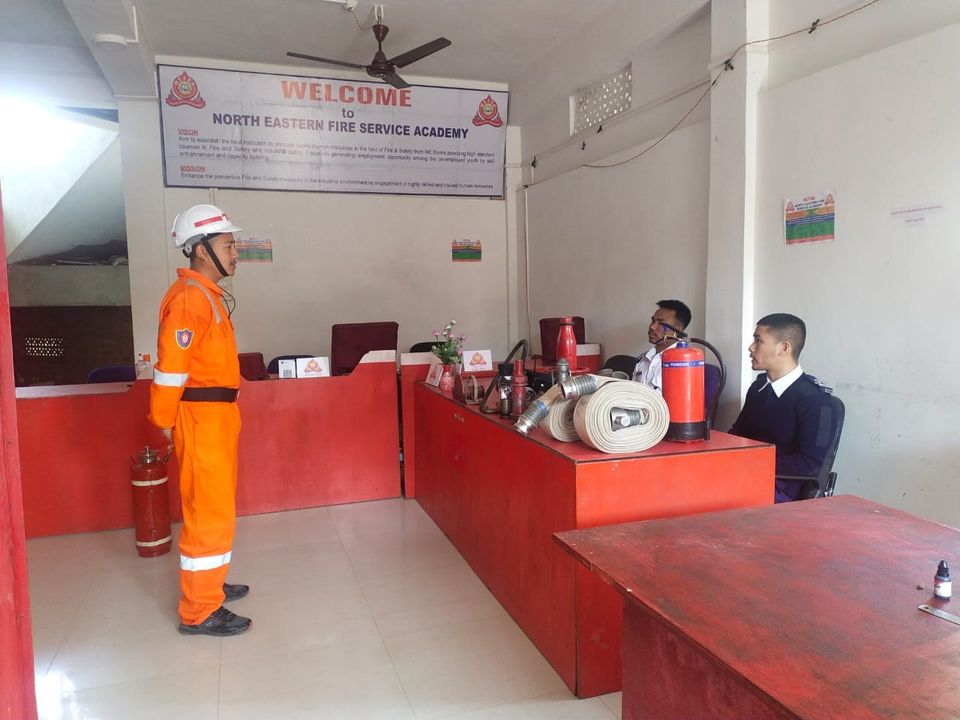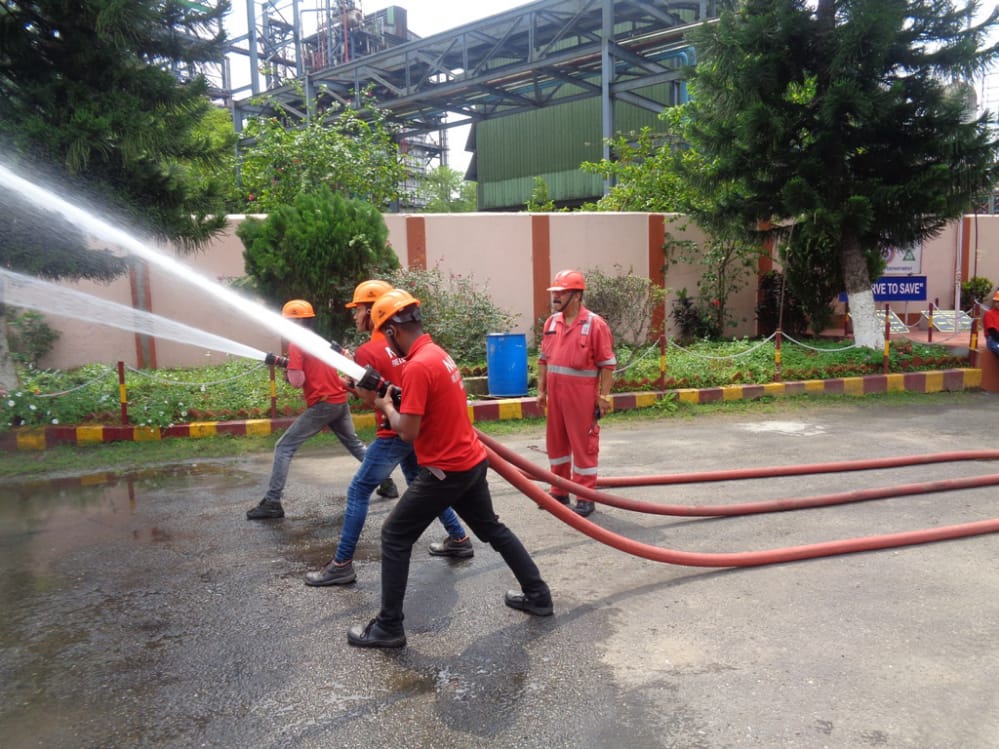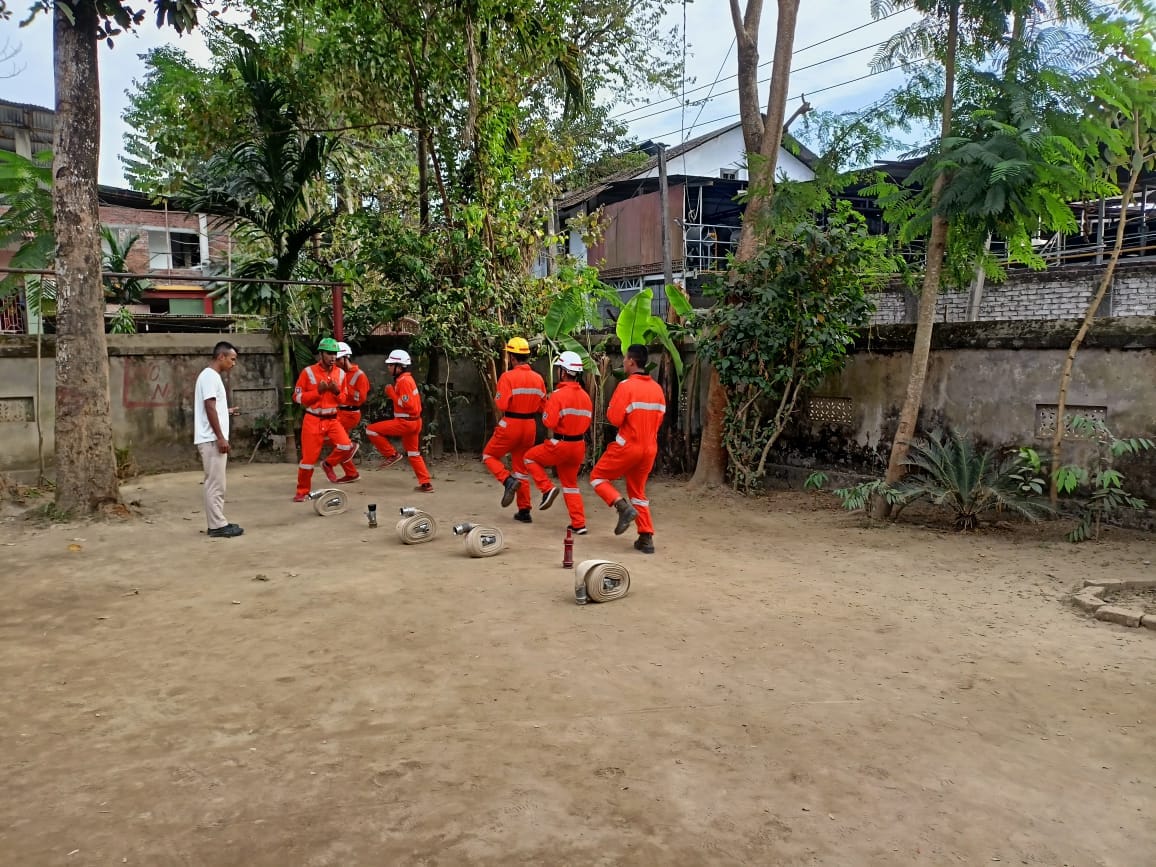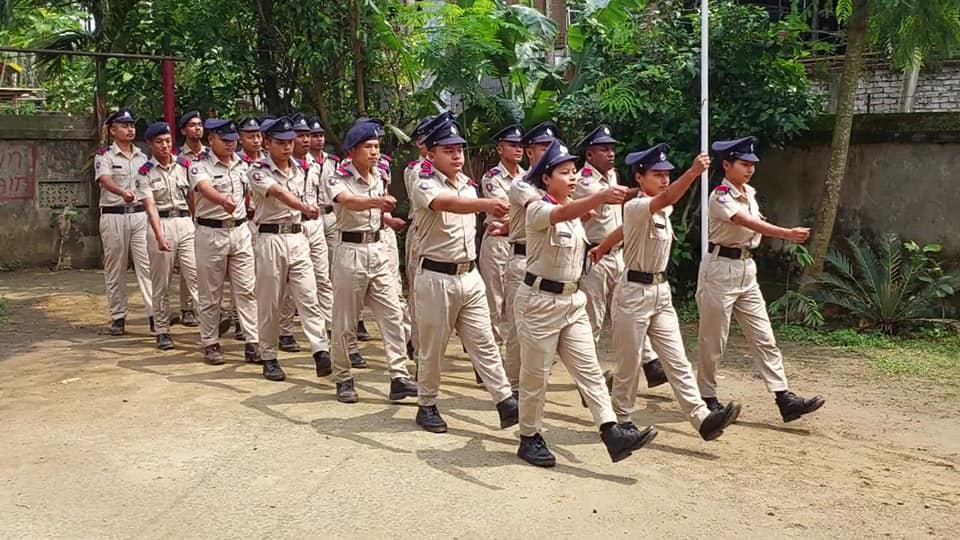

Emergency situations such as fires, gas leaks, earthquakes, or industrial accidents require quick thinking, calm behavior, and structured action. For students undergoing safety and fire-response training at NEFSA (North East Fire & Safety Academy), understanding emergency evacuation procedures is not optional—it is a core life-saving skill.
This practical guide explains step-by-step evacuation procedures, common mistakes to avoid, and the responsibilities of NEFSA students during emergencies.
Why Emergency Evacuation Training Is Critical for NEFSA Students?
Emergency evacuation procedures are designed to:
-
Minimize injuries and fatalities
-
Prevent panic and confusion
-
Ensure safe and orderly movement to assembly points
-
Protect infrastructure and emergency responders
As future fire and safety professionals, NEFSA students must not only follow evacuation procedures but also guide others effectively.
Common Emergencies Requiring Evacuation
NEFSA students may encounter evacuation scenarios such as:
-
Fire or explosion
-
Smoke accumulation
-
Chemical or gas leakage
-
Structural damage
-
Electrical short circuits
-
Natural disasters like earthquakes
Each situation demands alertness, discipline, and adherence to protocol.
Step-by-Step Emergency Evacuation Procedures
1. Stay Calm and Alert Others
At the first sign of an emergency:
-
Remain calm
-
Activate the fire alarm if available
-
Alert nearby students and instructors
Panic can cause stampedes and injuries. Controlled communication saves lives.
2. Follow Designated Evacuation Routes
Always:
-
Use marked emergency exits
-
Follow evacuation maps displayed in classrooms and corridors
-
Move in a single direction without pushing
Never use elevators during fire emergencies.
3. Assist Others When Safe
NEFSA students are trained to:
-
Help injured or disabled individuals
-
Guide visitors unfamiliar with the premises
-
Maintain discipline during evacuation
Do not put yourself at risk unnecessarily.
4. Crawl Low in Smoke-Filled Areas
If smoke is present:
-
Stay low to the ground
-
Cover your nose and mouth with a cloth
-
Move steadily toward the nearest exit
Smoke inhalation is often more dangerous than flames.
5. Assemble at the Designated Safe Zone
Once outside:
-
Proceed directly to the assembly point
-
Do not re-enter the building
-
Report missing persons to instructors or emergency responders
Headcounts are critical during post-evacuation assessment.
Important Do’s and Don’ts During Evacuation
Do’s
-
Follow instructions from faculty and emergency personnel
-
Keep evacuation routes clear
-
Maintain silence if instructed
Don’ts
-
Do not run or push
-
Do not return for personal belongings
-
Do not spread rumors or misinformation
Role of NEFSA Students During Emergencies
As safety trainees, NEFSA students should:
-
Act as first responders-in-training
-
Support crowd management
-
Assist in fire extinguisher use when trained
-
Communicate hazards clearly
These skills prepare students for real-world fire and safety operations.
Importance of Regular Evacuation Drills
Regular drills help students:
-
Build muscle memory
-
Reduce panic during real emergencies
-
Identify weaknesses in evacuation planning
Participation in drills is essential for developing professional readiness.
Conclusion
Emergency evacuation procedures are a foundation of fire and safety education. For NEFSA students, mastering these protocols is not just about personal safety—it is about becoming responsible safety professionals capable of protecting others.
By staying alert, disciplined, and prepared, NEFSA students can ensure swift, safe, and effective evacuation during any emergency.
Sources:
https://www.nfpa.org/education-and-research/fire-safety | https://ndma.gov.in/Resources/Guidelines | https://www.osha.gov/laws-regs/regulations/standardnumber/1910/1910.38 | https://www.ilo.org/global/topics/safety-and-health-at-work | https://www.who.int/teams/emergency-preparedness | https://www.india.gov.in/topics/disaster-management/fire-services | https://www.bsigroup.com/en-IN/fire-safety