
Fire safety is not just a precautionary measure—it is an essential practice that saves lives, protects property, and ensures a secure environment. Whether at home or in the workplace, understanding and implementing fire safety protocols can significantly reduce the risk of accidents. From installing smoke detectors to planning fire evacuation procedures, fire safety protocols are designed to keep individuals safe during a fire emergency.
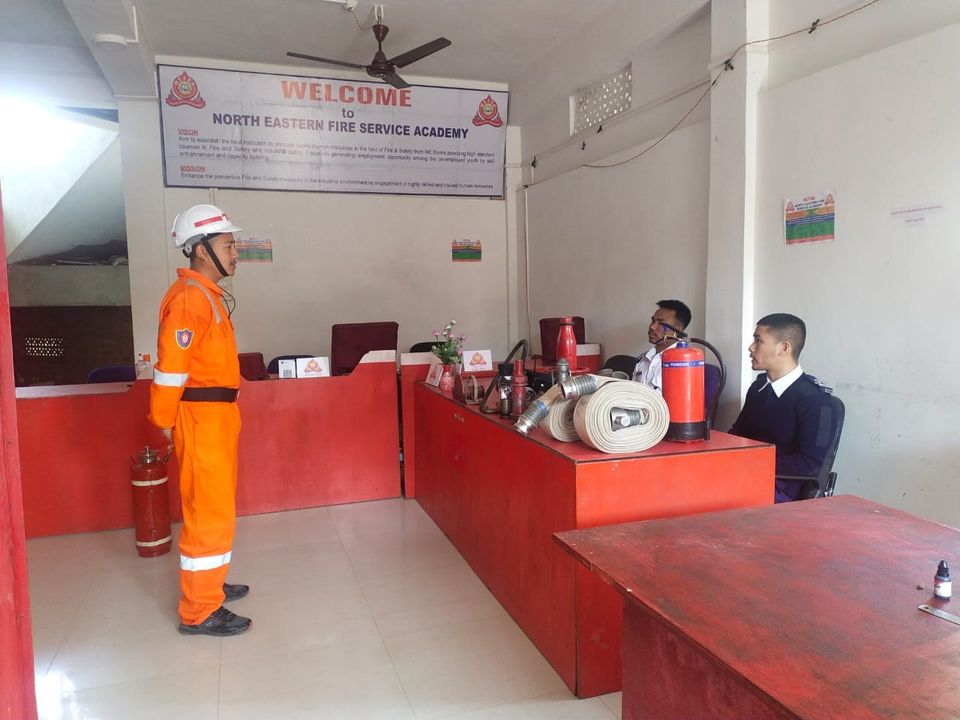
This practical guide aims to provide a comprehensive overview of fire safety protocols, focusing on their application in homes and workplaces. It will cover fire prevention, emergency responses, necessary equipment, and offer insight into the legal and safety standards that individuals and organizations should be aware of. The North Eastern Fire Service Academy (NEFSA) also plays a crucial role in educating communities about fire safety and supporting initiatives for safer homes and workplaces.
Why Fire Safety Protocols Are Crucial?
Fire-related accidents are one of the leading causes of injury and death globally. According to the National Fire Protection Association (NFPA), in the United States alone, fire departments respond to a fire every 24 seconds. Understanding fire safety protocols helps mitigate these risks and ensures that everyone knows how to act in an emergency.
By implementing the right fire safety measures, we can prevent fires, detect them early, and ensure that people know how to evacuate safely. Whether you’re a homeowner or business owner, fire safety must be a priority. The North Eastern Fire Service Academy (NEFSA) is dedicated to promoting these best practices and ensuring fire safety education reaches every community.
Key Fire Safety Protocols for Homes
-
Install Smoke Detectors and Fire Alarms
One of the most basic and effective fire safety protocols is the installation of smoke detectors. These devices provide early warnings, giving you enough time to escape in the event of a fire. It is recommended to install smoke alarms in every bedroom, hallway, and on every floor of the house. Test alarms monthly and change the batteries at least once a year. NEFSA recommends upgrading to interconnected smoke detectors for faster response times in case of an emergency.
-
Create a Fire Escape Plan
It’s essential to have a well-rehearsed fire escape plan in place. This plan should outline the quickest routes to evacuate the house and designate a safe meeting point outside. Practicing this plan at least twice a year ensures that all family members, including children and elderly individuals, know how to act quickly and safely.
-
Keep Fire Extinguishers Accessible
Having fire extinguishers in key locations, such as the kitchen and garage, is an essential fire safety measure. Ensure that the family knows how to use the extinguisher properly. It’s also crucial to check the expiration date and pressure gauge to ensure they’re in working condition.
-
Fireproof Materials and Fire Safety Equipment
Ensure that fire-resistant materials are used in the construction and furnishing of your home. Items such as fireproof blankets, flame-retardant clothing, and fire doors can provide an added layer of protection. NEFSA advises using fire-resistant materials for your home’s insulation and roofing for added safety.
-
Maintain Electrical Equipment and Wiring
Overloaded circuits and faulty electrical equipment can be a fire hazard. Regularly inspect electrical wires, outlets, and appliances. Hire a certified electrician to fix any faulty wiring and ensure that electrical appliances are well-maintained. NEFSA advocates for regular electrical inspections in both residential and commercial properties.
Key Fire Safety Protocols for Workplaces
-
Conduct Regular Fire Drills
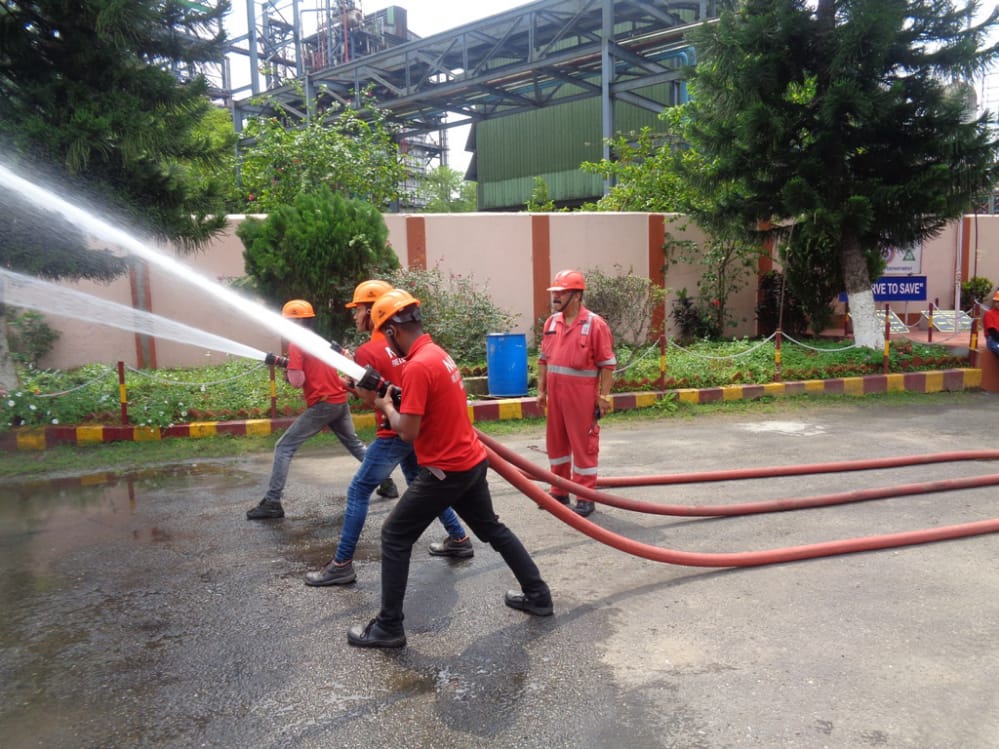
Regular fire drills are essential to ensure that employees know exactly what to do in the event of a fire. Fire drills should be conducted at least once every six months and cover evacuation routes, the use of fire extinguishers, and the location of assembly points. NEFSA recommends that fire drills include both day and night shifts to ensure all employees are prepared.
-
Fire Exits and Evacuation Routes
Clear and unobstructed fire exits and evacuation routes are critical to workplace fire safety. These routes must be properly marked with visible signs and illuminated in case of a power failure. Ensure that employees are familiar with these routes and that emergency exits are never blocked.
-
Install Fire Extinguishers and Suppression Systems
Workplaces should be equipped with easily accessible fire extinguishers and, if necessary, fire suppression systems. Fire extinguishers should be located in prominent areas such as hallways, kitchens, and server rooms. It’s also essential to train employees in the correct use of fire extinguishers and other safety equipment.
-
Ensure Proper Storage of Flammable Materials
In workplaces that store chemicals, fuel, or other flammable materials, it is crucial to follow strict protocols for storage and handling. Ensure that flammable substances are kept in properly ventilated areas, away from heat sources, and securely sealed.
-
Fire Safety Training
Provide regular fire safety training for all employees. This should include how to operate fire extinguishers, how to evacuate safely, and basic first aid measures for fire-related injuries. Ensuring that your employees are trained will significantly reduce the risk of accidents. NEFSA offers resources and certifications to assist companies in training their staff on fire safety measures.
Legal and Regulatory Fire Safety Standards
In many countries, there are specific fire safety regulations that businesses and homeowners must comply with. For example, in the United States, the Occupational Safety and Health Administration (OSHA) has set standards for fire safety in workplaces. These standards require companies to provide a safe working environment, including fire extinguishers, clear evacuation routes, and fire safety training.
In homes, fire safety regulations may vary depending on local laws, but most building codes will require certain safety measures such as smoke detectors, fire-resistant materials, and emergency exits. NEFSA advocates for uniform regulations that prioritize the safety of all individuals in both residential and commercial spaces.
Conclusion
Fire safety is an ongoing responsibility that requires the cooperation of everyone in the home or workplace. By following the protocols outlined above, we can drastically reduce the risk of fire-related injuries and fatalities. Understanding fire safety protocols not only ensures your protection but also prepares you to respond quickly and effectively in case of an emergency.
Make fire safety a priority today whether at home or at the workplace. Start by installing smoke detectors, creating an emergency escape plan, and ensuring that all safety equipment is in working order. Together, we can create a safer environment for everyone, supported by organizations like The North Eastern Fire Service Academy (NEFSA), who work tirelessly to promote fire safety standards and awareness.
Sources:
-
National Fire Protection Association (NFPA) – www.nfpa.org
-
Occupational Safety and Health Administration (OSHA) – www.osha.gov
-
U.S. Fire Administration (USFA) – www.usfa.fema.gov
-
Fire Safety Tips for Homeowners by the American Red Cross – www.redcross.org
-
Fire Safety in the Workplace by the Health and Safety Executive (HSE) – www.hse.gov.uk
-
The North Eastern Fire Service Academy (NEFSA) – Visit NEFSA (Replace with actual URL)