Fire safety is no longer a support function. It is a core requirement for industries operating in high-risk environments. Sectors such as oil and gas, construction, manufacturing, chemicals, and infrastructure depend heavily on trained fire safety professionals to ensure uninterrupted operations and human safety.
Institutions like NEFSA Fire Academy play a vital role in producing skilled NEFSA Fire Safety Professionals. Recognized as the best fire academy in Northeast India, NEFSA prepares students to meet modern industrial safety challenges with confidence and competence.
The Rising Importance of Fire Safety in High-Risk Industries
High-risk industries handle flammable materials, heavy machinery, and complex systems. These conditions significantly increase the probability of fire incidents. Even a small lapse can lead to major losses.
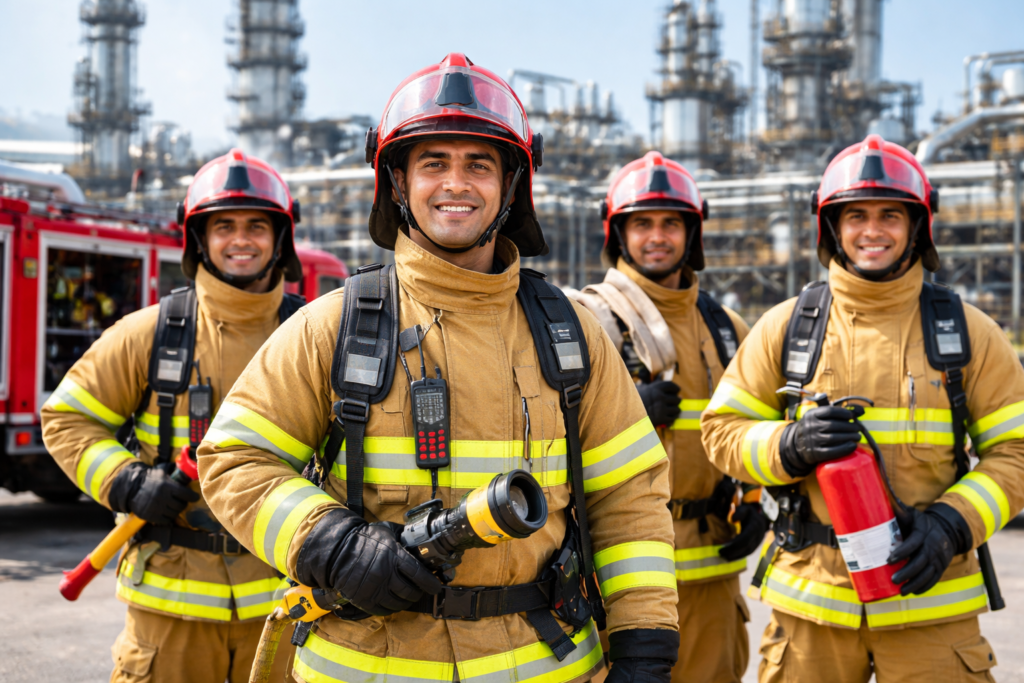
Fire safety professionals act as preventive strategists. They identify hazards before incidents occur. They also design safety protocols that reduce operational risks. Their presence ensures faster response and effective damage control during emergencies.
This makes trained professionals essential, not optional.
Why NEFSA Fire Academy Stands Out?
The NEFSA Fire Academy is known for its industry-oriented approach. It focuses on practical training rather than theoretical learning alone. This approach helps students adapt quickly to real-world conditions.
NEFSA offers structured programs in:
-
Fire and Industrial Safety
-
Emergency Response and Rescue
-
Disaster Management
-
Workplace Safety Compliance
Graduates leave with job-ready skills. This is why NEFSA is widely regarded as the best fire academy in Northeast.
Practical Training That Meets Industry Demands
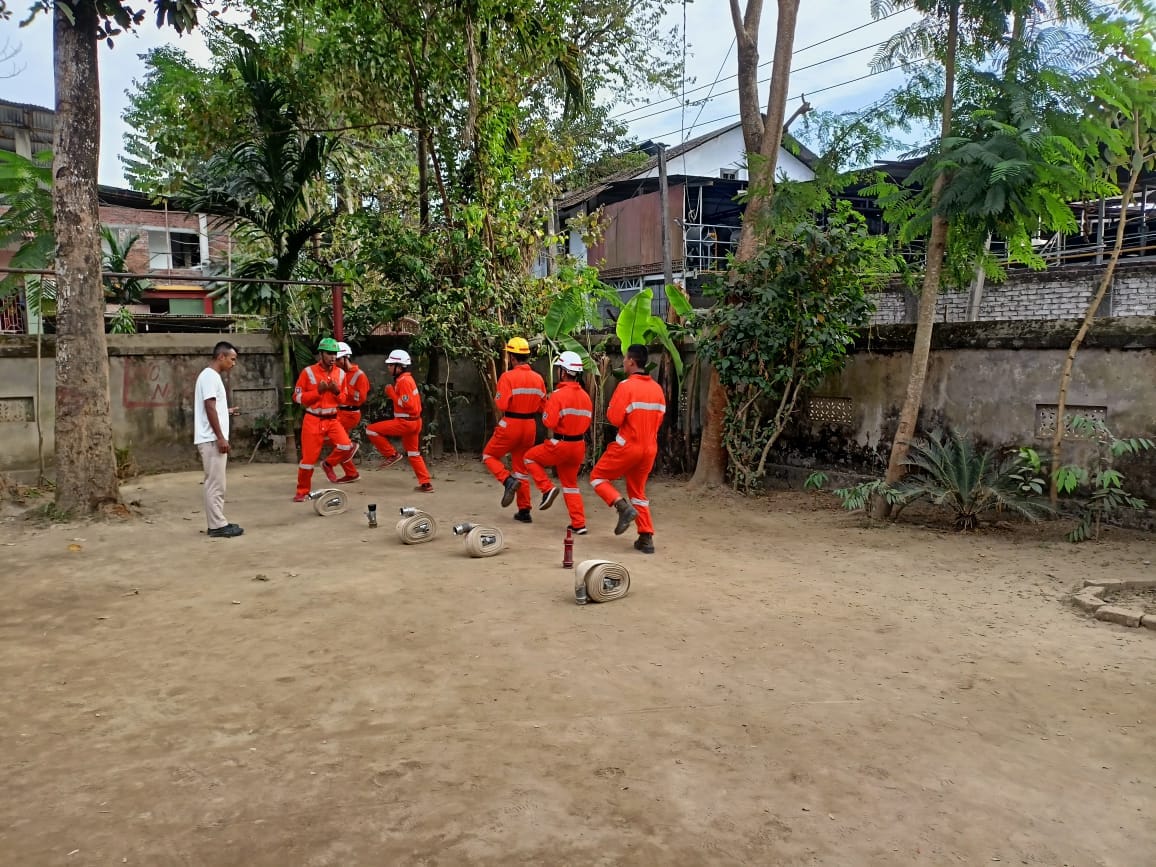
High-risk industries require professionals who can act under pressure. NEFSA emphasizes hands-on training through live drills and simulations. These exercises replicate real emergency scenarios.
Students learn how to:
-
Operate fire-fighting equipment
-
Conduct evacuation procedures
-
Perform risk assessments
-
Manage emergency response teams
This training ensures that NEFSA professionals are effective from day one.
Fire Safety Professionals and Regulatory Compliance
Indian industries must comply with strict fire safety regulations. These include the National Building Code and workplace safety laws. Failure to comply can lead to penalties, shutdowns, and legal action.
Fire safety professionals trained at NEFSA Fire Academy help organizations remain compliant. They conduct safety audits and maintain documentation. They also train staff on emergency procedures.
Their role protects both people and organizations.
Reducing Losses and Ensuring Business Continuity
Fire incidents cause financial damage and operational downtime. They also affect brand reputation and employee morale. Fire safety professionals reduce these risks through preventive planning.
Their work helps:
-
Minimize property damage
-
Reduce insurance claims
-
Protect human lives
-
Ensure faster operational recovery
In high-risk industries, this contribution directly supports business continuity.
Growing Career Demand for Fire Safety Professionals
Demand for certified fire safety professionals is increasing across India. Infrastructure growth and stricter safety norms drive this demand. Many organizations now require trained safety officers as part of their core workforce.
Graduates from NEFSA Fire Academy find opportunities in:
-
Industrial plants
-
Construction projects
-
Oil and gas facilities
-
Airports and logistics hubs
This makes fire safety a stable and respected career path.
Conclusion
Fire safety professionals are the backbone of high-risk industries. Their expertise protects lives, assets, and operations. Training from a reputed institution makes a measurable difference.
The NEFSA Fire Academy, recognized as the best fire academy in Northeast India, continues to produce professionals who meet global safety standards. Their role is critical in building safer, more resilient industries.
Sources & References
-
National Building Code of India – Fire & Life Safety Guidelines
https://bis.gov.in -
International Labour Organization (ILO) – Workplace Fire Safety
https://www.ilo.org -
National Fire Protection Association (NFPA) – Industrial Fire Safety Standards
https://www.nfpa.org -
Directorate General, Fire Services, Home Guards & Civil Defence (India)
https://dgfscdhg.gov.in -
Ministry of Labour & Employment – Occupational Safety Norms
https://labour.gov.in