Are you looking for the best fire and safety courses after 10th and 12th in 2026? A career in fire and industrial safety can be an excellent choice for students interested in technical skills, emergency response, disaster management, and workplace safety.
Across India, fire and safety professionals help protect people, buildings, industries, and public infrastructure. From factories and construction sites to airports, hospitals, and oil and gas facilities, trained personnel play an important role in preventing accidents and responding to emergencies.
For students in Assam and Northeast India, specialised fire and safety training offers a practical career pathway after school.
In this comprehensive guide, we explore the top fire and safety courses after 10th and 12th, eligibility requirements, course fees, training duration, job opportunities, and career scope in 2026.
What Is a Fire and Safety Course?
A fire and safety course is a professional training programme that teaches students how to identify fire hazards, prevent accidents, operate firefighting equipment, and respond effectively to emergencies.
Depending on the qualification, students may study:
- Fire prevention and firefighting techniques
- Industrial safety management
- Fire extinguishers and fire protection systems
- Occupational health and safety
- Emergency evacuation and rescue operations
- First aid and disaster management
- Fire detection and alarm systems
- Workplace risk assessment and safety procedures
Some programmes focus on practical firefighting, while others emphasise safety management, technical systems, and risk control.
Top Fire and Safety Courses After 10th and 12th in 2026
Different institutions offer certificate, vocational, diploma, and degree programmes. The eligibility and duration depend on the course and awarding body.
1. Fire Technology and Industrial Safety Management
Eligibility: 10th Pass
Fire Technology and Industrial Safety Management is a career-oriented programme for students who want to understand fire prevention, workplace hazards, and industrial emergency response.
The Directorate General of Training also lists Fire Technology and Industrial Safety Management under its Craftsmen Training Scheme, with a one-year, 1,200-hour curriculum.
Major subjects include:
- Fire science and combustion
- Industrial hazard identification
- Fire protection equipment
- Occupational safety
- Risk assessment and hazard control
- Emergency preparedness
Career opportunities: Fire safety technician, industrial safety assistant, emergency response team member, and other entry-level safety roles, depending on employer requirements.
2. Diploma in Fire Sub-Officer
Eligibility at NEFSA: 10th Pass
This programme focuses on firefighting operations, rescue techniques, emergency coordination, and fire station procedures.
Major subjects include:
- Firefighting drills
- Rescue operations
- Fire hoses and equipment
- Ladder drills
- First aid and CPR
- Emergency communication
- Fire station operations
Career opportunities: Fire service support roles, emergency response positions, and pathways towards supervisory responsibilities with additional experience.
Important: A diploma does not automatically qualify someone for appointment as a government Fire Sub-Officer. Recruitment eligibility, physical standards, examinations, and recognition requirements must be checked against the relevant recruitment notification.
3. Diploma in Fire Safety Engineering
Eligibility at NEFSA: 10th Pass
A Diploma in Fire Safety Engineering introduces students to fire prevention technologies, safety equipment, and workplace safety systems.
Major subjects include:
- Fire detection systems
- Fire alarm technology
- Electrical safety
- Chemical safety
- Accident investigation
- Fire prevention planning
- Safety inspections and audits
Career opportunities: Fire safety assistant, fire protection technician, safety inspection support staff, and technical safety roles.
For regulated engineering positions, employers may require additional recognised engineering qualifications.
4. Fireman Training Course
Eligibility: 10th Pass for the DGT-listed Fireman trade
Students interested in frontline firefighting may consider a fireman training programme.
The Directorate General of Training lists a six-month Fireman trade under its Craftsmen Training Scheme.
Key training areas include:
- Basic firefighting
- Fire extinguisher operation
- Equipment handling
- Rescue procedures
- Emergency response
- Physical and practical drills
Career opportunities: Firefighting support, emergency response, and eligible fire service recruitment pathways.
5. B.Sc. in Fire Safety and Hazard Management
Eligibility at NEFSA: Higher Secondary (Science Stream)
A B.Sc. programme offers a degree-level pathway for students who want to build deeper knowledge of fire engineering, occupational safety, environmental hazards, and industrial risk management.
Key subjects include:
- Advanced fire engineering concepts
- Industrial and construction safety
- Environmental health and safety
- Disaster and hazard management
- Safety management systems
- Risk assessment
Career opportunities: Junior EHS roles, safety coordination, hazard management, and, with relevant experience, managerial and specialist positions.
Students should verify the degree-awarding university, recognition, course duration, and approved admission conditions before enrolling.
Fire and Safety Course Eligibility After 10th and 12th
Students often ask whether they can join a fire safety course immediately after completing Class 10.
The answer is yes, for certain programmes.
| Qualification | Possible course pathways |
|---|---|
| 10th Pass | Fire Technology & Industrial Safety Management |
| 10th Pass | Fireman Training |
| 10th Pass | Selected Fire Safety and Sub-Officer Diplomas |
| 12th Pass | Certificate, diploma and applicable technical programmes |
| 12th Science | B.Sc. Fire Safety & Hazard Management and eligible degree programmes |
| Graduate / Diploma Holder | Selected advanced industrial safety or specialised qualifications |
Eligibility varies between institutions. Admission to a training course should not be confused with eligibility for a particular government position.
Fire and Safety Course Fees in India in 2026
Fire and safety course fees depend on several factors, including the institution, qualification, course duration, practical training facilities, examination fees, and accommodation.
There is no single standard fee applicable to every fire and safety institute in India.
Before choosing a course, students should request a written fee structure covering:
- Admission and registration charges
- Tuition fees
- Practical training expenses
- Uniform and safety equipment
- Examination and certification fees
- Hostel and accommodation charges, where applicable
- Other compulsory payments
For NEFSA India admission fees in 2026, candidates should contact the academy for the latest course-wise fee structure rather than relying on unverified online estimates.
A lower course fee does not necessarily mean better value. Students should also evaluate practical training, qualification recognition, teaching quality, and career assistance.
Career Scope After Fire and Safety Courses in India
Fire and industrial safety training can create opportunities across several employment sectors.
Oil and Gas Industry
Oil refineries, drilling facilities, processing plants, and related operations use workplace safety systems to manage fire risks and emergency preparedness.
Construction and Infrastructure
Large construction projects involve electrical systems, machinery, elevated work, and other occupational hazards. Safety teams help identify and control these risks.
Manufacturing and Industrial Plants
Factories require procedures for fire prevention, emergency planning, equipment inspection, and worker safety.
Hospitals, Hotels and Commercial Buildings
Large establishments depend on fire alarms, evacuation procedures, emergency drills, and compliance with applicable safety regulations.
Airports and Transport Facilities
Specialised aviation and transport-related safety positions may be available to candidates who meet the relevant training, medical, recruitment, and certification requirements.
Government Fire and Emergency Services
Candidates may pursue government fire service recruitment when they satisfy the specific educational, physical, age, examination, and other requirements published by recruiting authorities.
Fire and Safety Jobs After 10th and 12th
Depending on qualifications and practical experience, possible entry-level roles include:
- Fire Safety Technician
- Fireman or Firefighter Trainee
- Emergency Response Assistant
- Industrial Safety Assistant
- Fire Protection Equipment Technician
- Safety Assistant
- Fire and Rescue Support Staff
With additional qualifications and experience, professionals may progress towards roles such as Fire Safety Officer, Safety Supervisor, EHS Officer, Safety Manager, or Fire Protection Specialist.
However, professional progression depends on the employer, applicable regulations, experience, and recognised qualifications.
Fire and Safety Salary and Career Growth in 2026
Salary in the fire and safety industry varies according to the location, job responsibilities, industry, qualification, employer, and previous experience.
An entry-level technician in a small establishment may earn substantially less than an experienced safety officer working in a specialised industrial facility.
Similarly, jobs in the oil and gas sector, infrastructure projects, manufacturing industries, and international markets may have different salary structures.
Students should compare verified job advertisements and official pay scales rather than relying on guaranteed salary claims.
For long-term career growth, focus on:
- Completing a relevant qualification.
- Developing strong practical firefighting and safety skills.
- Learning occupational safety procedures.
- Gaining supervised industry experience.
- Improving communication and reporting abilities.
- Pursuing advanced, recognised qualifications when eligible.
Why Choose NEFSA India for Fire and Safety Training in Assam?
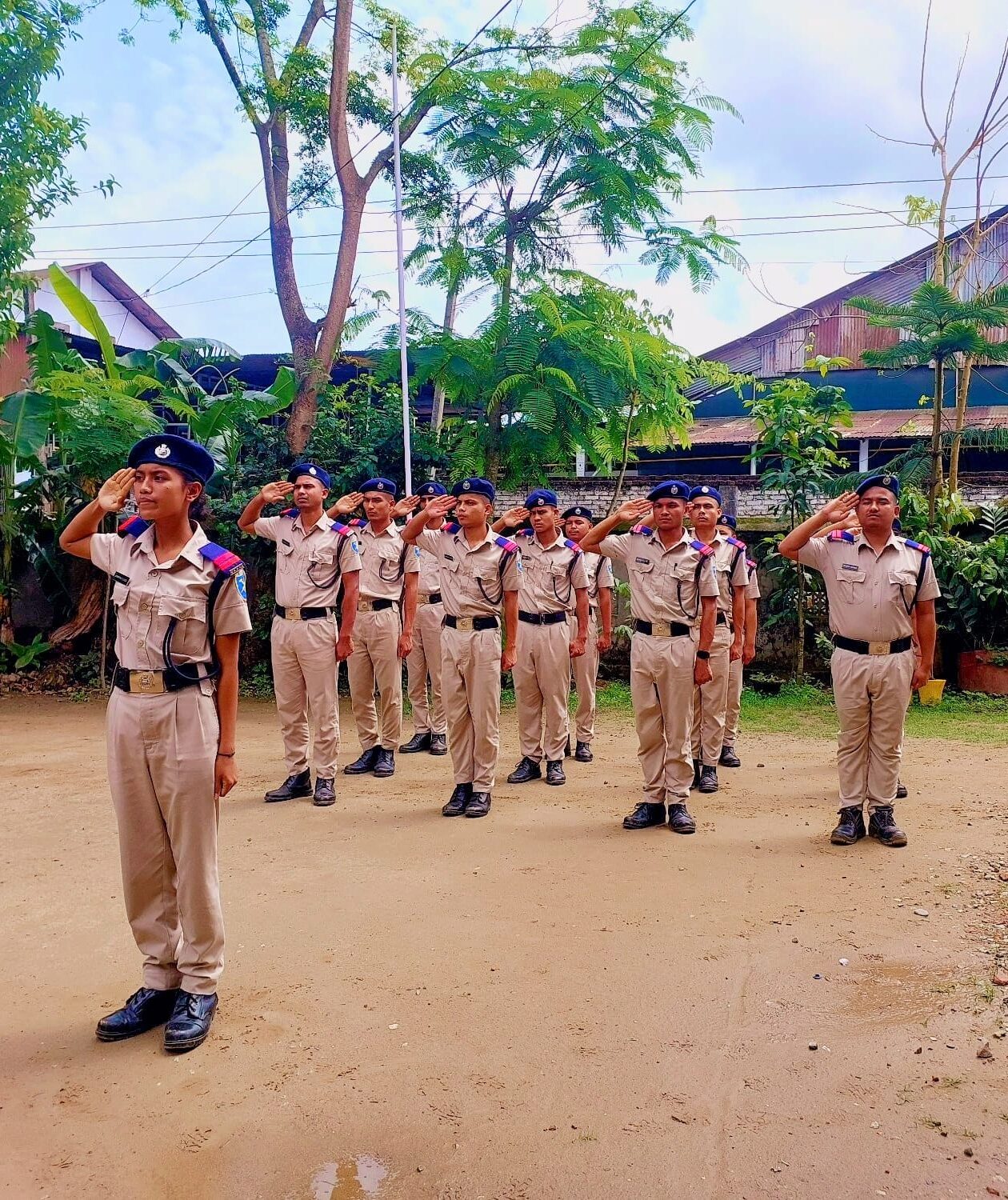
North Eastern Fire Service Academy (NEFSA) is located in Dibrugarh, Assam, and provides professional fire and safety education for students interested in technical training and emergency response careers.
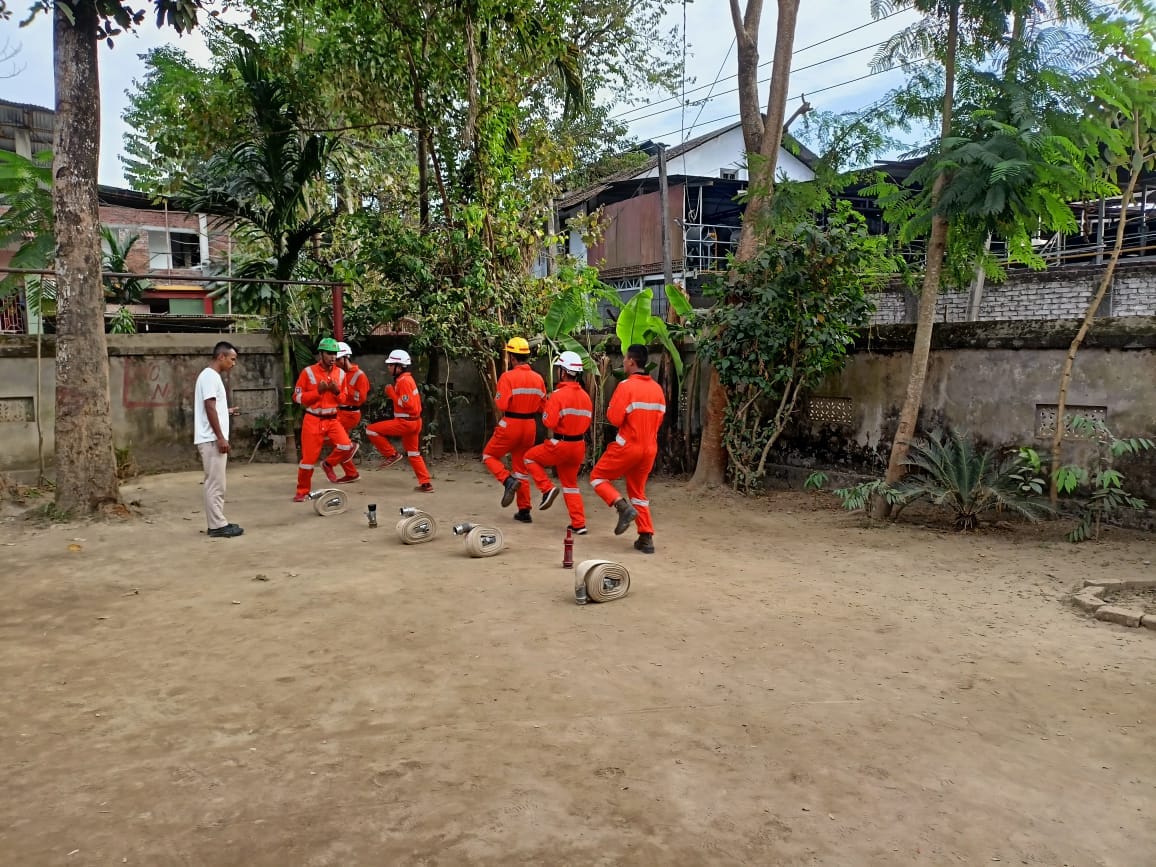
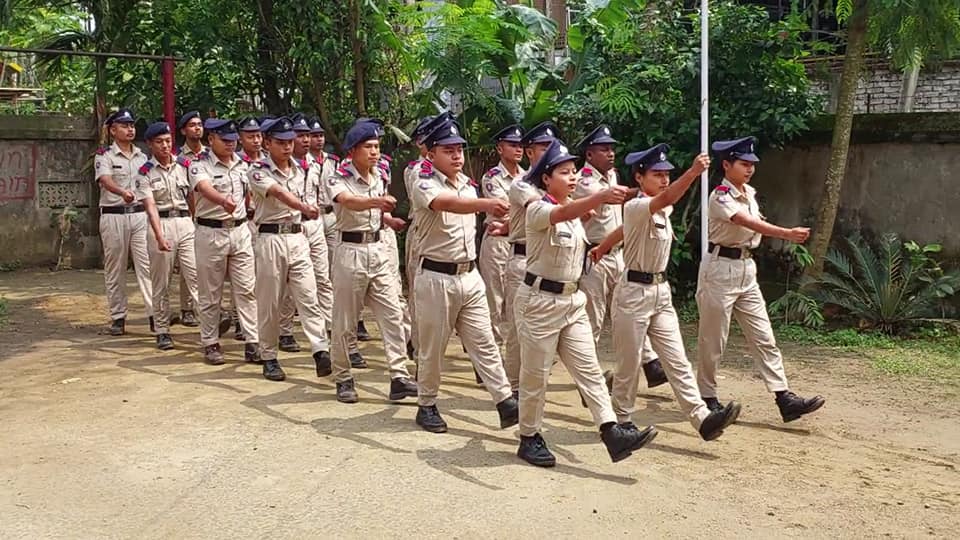
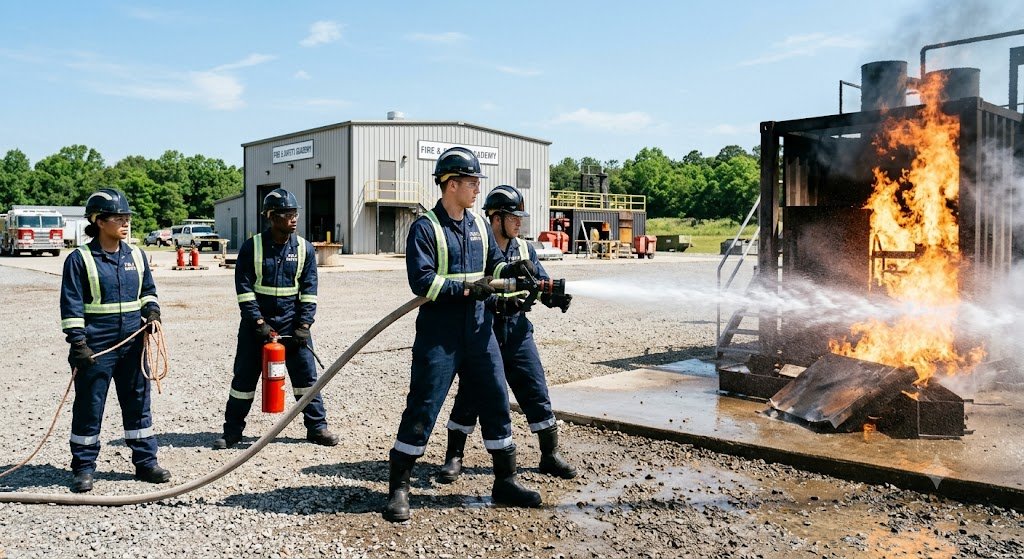
The academy’s published course information highlights classroom learning, practical firefighting drills, equipment handling, and emergency simulations.
Courses Listed by NEFSA India
Fire Technology & Industrial Safety Management
Eligibility: 10th Pass
Diploma in Fire Sub-Officer
Eligibility: 10th Pass
Diploma in Fire Safety Engineering
Eligibility: 10th Pass
B.Sc. in Fire Safety & Hazard Management
Eligibility: Higher Secondary, Science Stream
NEFSA states that physical and medical tests are mandatory before admission.
Students can learn more through the official website: https://www.nefsaindia.com/
For detailed course information, visit: https://www.nefsaindia.com/courses.php
How to Apply for Fire and Safety Courses at NEFSA India
Interested candidates should follow these steps:
- Visit the official NEFSA India website.
- Review the available courses and academic requirements.
- Contact the admission department for the 2026 fee structure.
- Confirm the course duration, issuing authority, and recognition.
- Check the physical fitness and medical requirements.
- Prepare academic and identification documents.
- Complete the official admission procedure.
NEFSA India Contact Details
Location: Barbaruah, NH-37, Near Bypass Charali (Zero Point), Dibrugarh, Assam – 786007
Phone: 9127090101
Email: info@nefsaindia.com
Official Website: https://www.nefsaindia.com/
Frequently Asked Questions
1. Can I join a fire and safety course after 10th?
Yes. Certain programmes accept Class 10 pass candidates, including Fire Technology and Industrial Safety Management and selected firefighting or diploma courses.
2. Which fire and safety course is best after 12th?
The best programme depends on your career goal. Students interested in degree-level studies can explore applicable B.Sc. programmes, while those seeking practical training may consider diploma or vocational courses.
3. What are the fees for fire and safety courses in 2026?
Fees vary according to the institution and course. Students should request the latest official fee structure, including additional charges.
4. Can Arts or Commerce students study fire and safety?
Yes, certain certificate and diploma programmes may accept students from different academic streams. However, some degree programmes require Class 12 Science.
5. Can I get a government job after a fire safety diploma?
A fire safety diploma may support your preparation for relevant jobs, but selection is subject to official recruitment criteria, exams, physical standards, and recognition requirements.
6. Are fire and safety jobs available abroad?
There are fire and occupational safety roles internationally. However, overseas employment depends on experience, employer requirements, local regulations, recognised qualifications, and visa eligibility.
7. Where can I study fire and safety in Assam?
Students can explore fire and safety education at North Eastern Fire Service Academy in Dibrugarh, Assam, and compare programmes based on recognition, training facilities, eligibility, and career requirements.
Conclusion
Choosing a fire and safety course after 10th or 12th in 2026 can be the beginning of a rewarding technical career focused on workplace protection, emergency preparedness, and public safety.
Whether you are interested in firefighting, industrial safety, hazard management, or emergency response, the right training programme can help you develop useful professional skills.
For students in Assam and Northeast India, NEFSA India offers several fire and safety programmes designed to introduce learners to technical knowledge and practical safety operations.
Before enrolling, verify the latest admission details, eligibility requirements, fees, and qualification recognition.
Explore fire and safety training opportunities at NEFSA India and take the first step towards a career in safety and emergency response.
Useful Official Resources and External References
- Directorate General of Training – Fire Technology and Industrial Safety Management
- Directorate General of Training – Craftsmen Training Scheme Details
- National Qualification Register – Fire Safety Technician
- National Qualification Register – Fire Safety Officer
- National Qualification Register – Fire Systems Supervisor