
Are you searching for fire and safety career opportunities in India and abroad? A career in fire safety, industrial safety, and emergency management can offer meaningful professional opportunities for students who want to protect lives, prevent workplace accidents, and contribute to safer industries.
Today, fire and safety professionals work in diverse sectors, including oil and gas, construction, manufacturing, aviation, power plants, hospitals, and infrastructure development. These organisations need people who understand hazard identification, fire prevention, emergency preparedness, safety equipment, and risk management.
According to the International Labour Organization, nearly three million workers die annually from work-related accidents and diseases, based on estimates published in 2023. This highlights the global importance of occupational health and safety professionals.
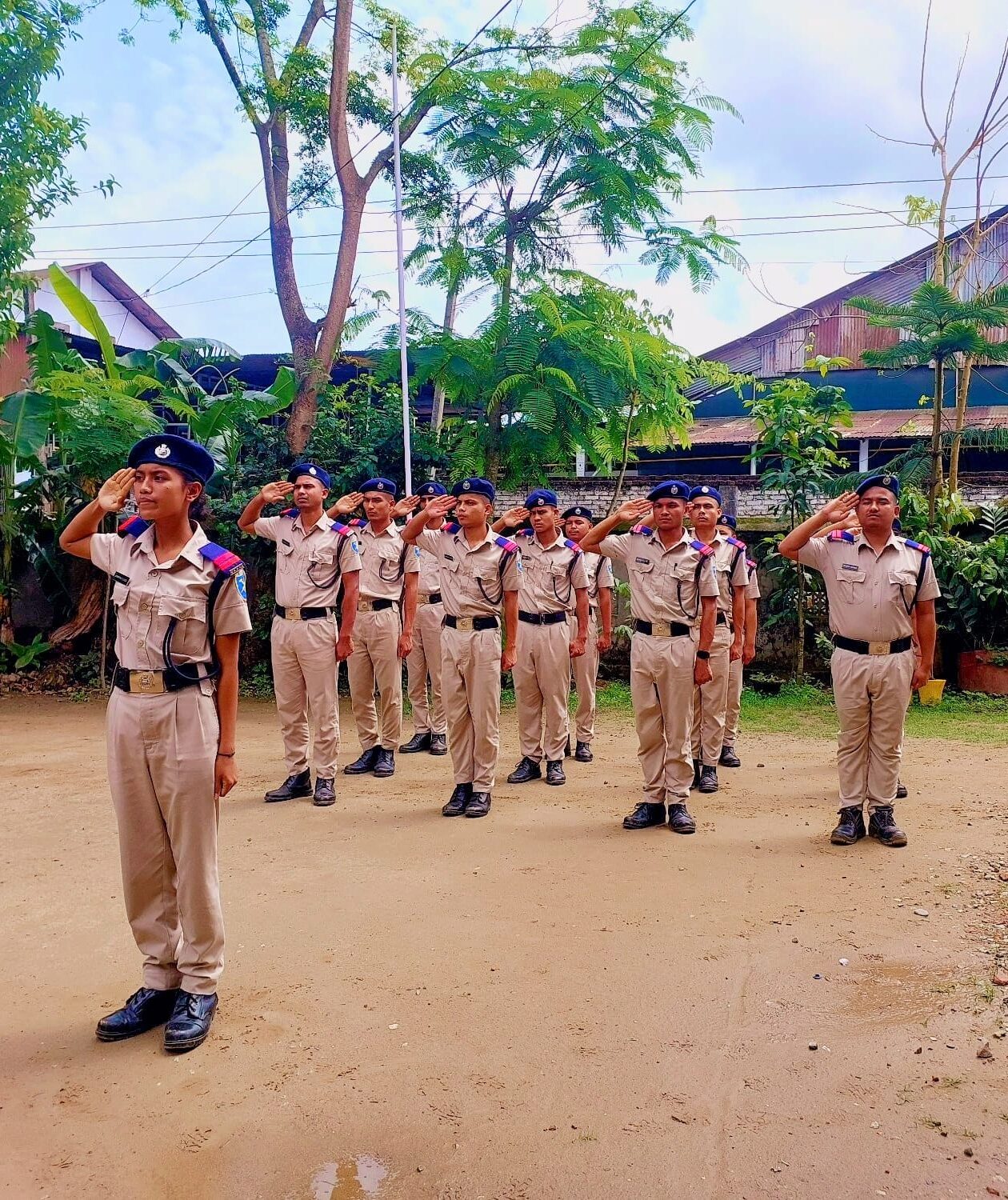
For aspiring students in Northeast India, North Eastern Fire Service Academy (NEFSA) in Dibrugarh, Assam, provides training in firefighting, industrial safety, disaster management, and related disciplines.
Whether you are a Class 10 student, a higher-secondary graduate, or a working professional seeking additional qualifications, understanding the available career pathways can help you make an informed decision.
Why Choose Fire and Safety as a Career in 2026?
Fire and safety is much more than firefighting. It is a professional field that combines technical knowledge, practical skills, emergency response, and workplace risk prevention.
Organisations across India and internationally must address fire hazards, protect their employees, and prepare for emergencies. As industrial facilities and infrastructure become more complex, trained safety personnel play an important role in maintaining safer working environments.
Key reasons to consider a fire and safety career include:
-
Multiple career pathways: Explore firefighting, industrial safety, emergency response, safety inspection, and fire protection.
-
Opportunities across industries: Apply relevant skills in manufacturing, construction, energy, healthcare, aviation, and other sectors.
-
International career potential: Qualified candidates may explore safety-related employment in Gulf countries and other international markets.
-
Professional advancement: Practical experience and additional qualifications can support progression toward supervisory and management positions.
-
Meaningful responsibilities: Help prevent accidents, protect workers, and improve emergency preparedness.
India’s National Qualification Register identifies responsibilities for the Fire Safety Officer role, including risk assessment, inspection, emergency planning, fire prevention, and employee safety training.
Top Fire and Safety Career Opportunities in India
India offers several possible career paths for individuals with relevant fire and industrial safety training. Eligibility varies based on the employer, qualifications, experience, and recruitment requirements.
1. Fire Safety Officer
A Fire Safety Officer helps an organisation identify and control fire-related hazards.
Typical responsibilities include conducting workplace inspections, reviewing emergency arrangements, coordinating fire drills, checking fire protection equipment, and supporting compliance with applicable safety standards.
Potential workplaces include factories, commercial buildings, industrial plants, hospitals, and large facilities.
2. Industrial Safety Supervisor
An Industrial Safety Supervisor supports safe working conditions in industrial environments.
The role may involve hazard inspections, personal protective equipment checks, safety briefings, incident reporting, and monitoring workplace procedures.
Relevant industries include engineering, manufacturing, construction, petrochemicals, and industrial maintenance.
3. Firefighter and Emergency Responder
Firefighters and emergency responders work in demanding operational environments that require physical preparation, discipline, teamwork, and emergency-response skills.
Their duties may include firefighting, rescue assistance, emergency equipment operation, evacuation support, and incident response.
Government firefighting positions generally require candidates to satisfy specific recruitment rules, physical standards, medical requirements, and selection procedures.
4. Health, Safety and Environment (HSE) Officer
HSE professionals help organisations manage occupational health, workplace safety, and environmental responsibilities.
They may assist with safety inspections, incident investigations, risk assessments, employee training, and implementation of safety management procedures.
Additional qualifications and relevant industrial experience may be needed for HSE Officer positions.
5. Fire Protection Systems Technician
Fire protection technicians support the installation, testing, inspection, and maintenance of safety equipment.
Systems may include fire alarms, extinguishers, hydrants, pumps, sprinklers, and other fire protection equipment.
India’s National Qualification Register also identifies the Fire Systems Supervisor occupational pathway, including work involving system installation, commissioning, and maintenance.
6. Safety Auditor and Risk Assessment Professional
With suitable qualifications and experience, professionals may move into safety auditing and risk assessment.
Their work can include reviewing workplace hazards, evaluating existing preventive measures, preparing inspection reports, and recommending improvements.
These positions generally require stronger technical knowledge and practical experience than many entry-level roles.
Fire and Safety Career Opportunities Abroad
International employment is an important goal for many aspiring fire and safety professionals, particularly those interested in industrial safety and construction safety.
Countries such as the United Arab Emirates, Saudi Arabia, Qatar, Oman, Kuwait, and Bahrain have industries that employ HSE, fire protection, emergency-response, and occupational safety personnel.
Possible international workplaces include:
-
Oil and gas projects and petrochemical facilities
-
Construction and infrastructure developments
-
Manufacturing and engineering facilities
-
Airports, hotels, and large commercial properties
-
Power generation and industrial maintenance operations
-
Fire protection and safety service companies
Potential international job titles include HSE Officer, Safety Supervisor, Fire and Safety Technician, Fire Protection Technician, Safety Inspector, and Emergency Response Technician.
However, completing a fire and safety course in India does not automatically qualify someone for a job abroad. Employers may require particular qualifications, experience, English communication skills, recognised certifications, medical fitness, and work authorisation.
Qualifications That May Support an International Safety Career
Candidates planning to work abroad can consider developing their qualifications progressively.
For example, the NEBOSH International General Certificate covers important occupational safety competencies, including risk assessment, hazard control, and workplace safety management.
NEBOSH qualifications may be useful for certain international safety roles, depending on the employer and position.
Students should always confirm an employer’s accepted qualifications before paying for additional training. International certifications are separate from NEFSA’s courses unless specifically offered through an authorised arrangement.
Fire and Safety Courses at NEFSA India
Choosing a suitable course is an important step toward developing the knowledge and practical skills needed for a fire and safety career.
North Eastern Fire Service Academy, located in Dibrugarh, Assam, presents several programmes covering firefighting, industrial safety, hazard management, emergency response, and fire safety engineering.
Some programmes listed on NEFSA’s website include:
Diploma in Fire and Safety Hazard Management
This programme focuses on understanding fire hazards, managing safety risks, and developing knowledge of workplace fire prevention and emergency preparedness.
Diploma in Fire Safety Engineering
Students interested in technical aspects of fire protection can explore topics such as fire safety systems, industrial hazards, equipment, and fire prevention engineering.
Diploma in Industrial Safety
Industrial safety training introduces learners to workplace safety practices, hazard identification, accident prevention, and safer operating procedures.
Driving Cum Pump Operator
This training pathway focuses on the operation of firefighting vehicles and fire pumps, supporting individuals interested in operational firefighting and emergency services.
Disaster Management and Advanced Fire Safety Programmes
Students seeking broader knowledge may explore emergency planning, disaster response, rescue operations, and advanced fire safety concepts.
NEFSA also lists B.Sc.-level fire-related education among its offerings. Students should confirm the current course duration, eligibility, awarding body, recognition, fees, and practical training arrangements directly with the academy before admission.
How to Start a Fire and Safety Career After 10th or 12th
Students who have completed Class 10 or Class 12 can explore entry-level and diploma-oriented training routes, depending on programme eligibility.
A practical career development pathway
Step 1: Complete Class 10 or Class 12
Check the entry requirements for your chosen course
Step 2: Choose Relevant Fire and Safety Training
Select a diploma, technical course, or suitable degree programme
Step 3: Develop Practical Skills
Learn safety procedures, equipment handling, and emergency response
Step 4: Apply for Suitable Entry-Level Roles
Check recruitment criteria and build relevant work experience
Step 5: Progress Through Experience and Further Qualifications
Explore supervisory, specialist, or international opportunities
It is important to distinguish between eligibility to enter a training programme and eligibility for a particular job. Some professional roles require substantial prior experience or additional qualifications.
Students can explore How to Start a Career in Fire and Safety After 10th or 12th in Assam for more guidance.
Why Consider NEFSA India for Fire and Safety Training?
For students from Assam and other Northeast Indian states, access to local professional training can be an important advantage.
North Eastern Fire Service Academy focuses on fire safety, industrial safety, and emergency preparedness education in Dibrugarh.
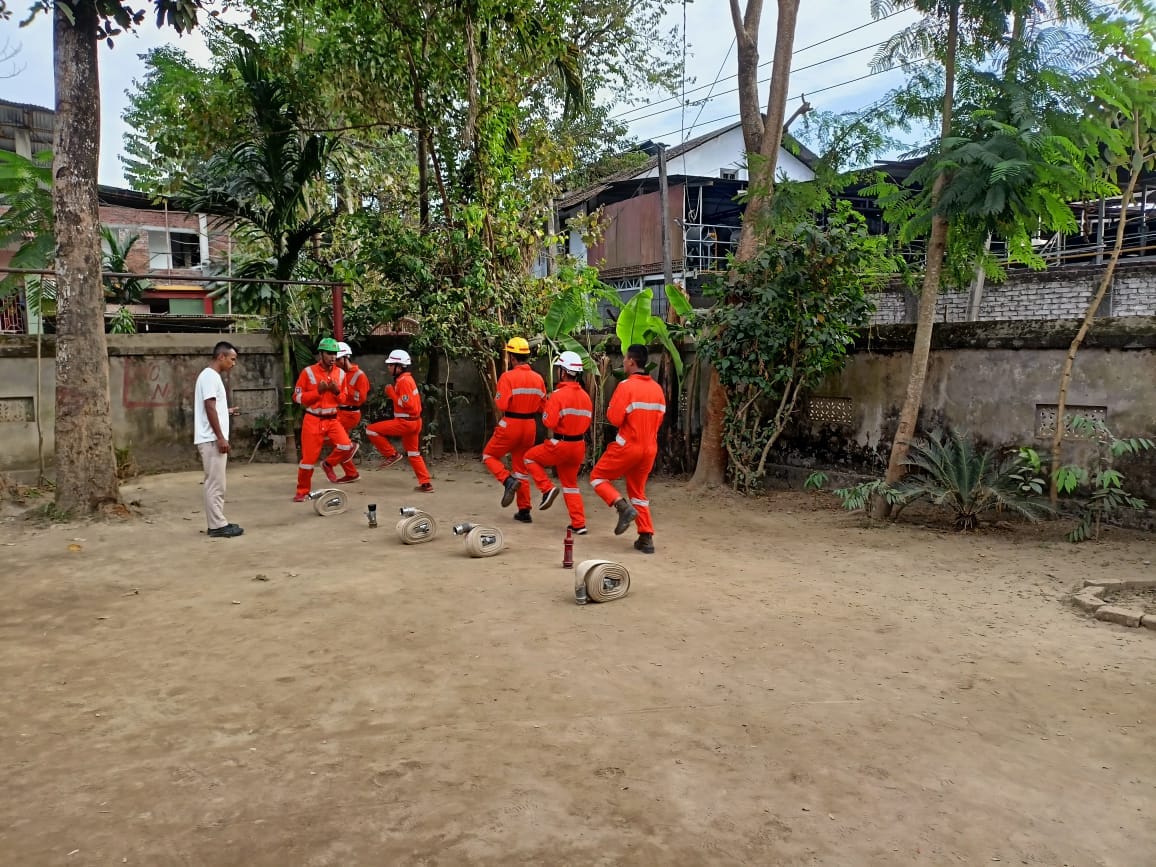
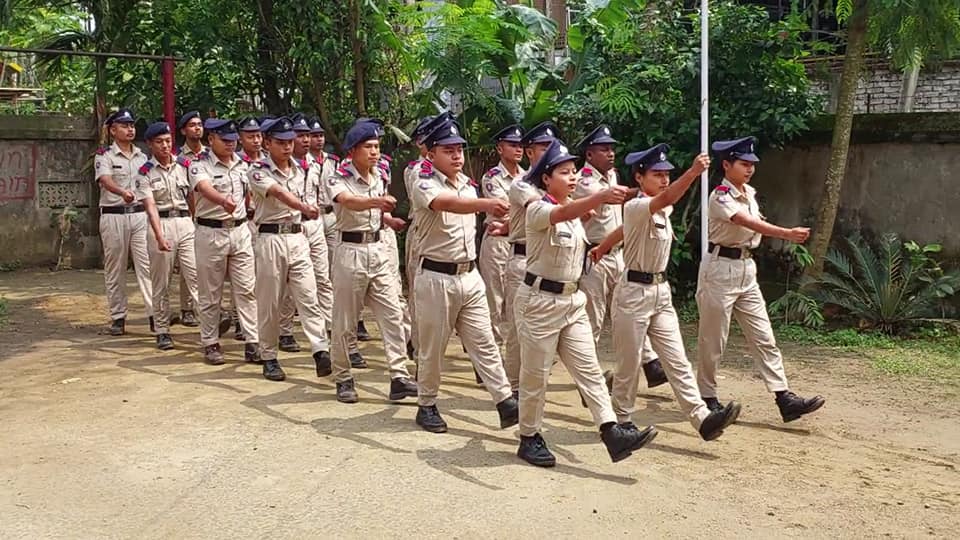
NEFSA highlights practical learning, firefighting drills, emergency-response exercises, equipment familiarisation, and career-oriented training as part of its educational approach.
Students considering the academy can evaluate the following areas:
-
Course relevance: Whether the syllabus matches their intended occupation.
-
Practical exposure: Opportunities to develop equipment-handling and emergency-response skills.
-
Trainer experience: The professional background of instructors and practical trainers.
-
Qualification recognition: The awarding body and acceptance of the specific qualification.
-
Career guidance: Availability and conditions of placement assistance.
-
Location and accessibility: Training access for students from Assam and the wider Northeast.
Learn more about the institution in NEFSA’s professional fire and safety training information.
Skills Required for a Successful Fire and Safety Career
Technical qualifications are important, but professional skills also influence success in this field.
A capable fire and safety professional benefits from strong observation, clear communication, teamwork, attention to detail, and the ability to follow established safety procedures.
Practical knowledge of emergency evacuation, basic first aid, firefighting equipment, workplace inspections, and incident documentation can also be valuable.
For candidates interested in international positions, English communication, accurate recordkeeping, and familiarity with internationally used safety management practices may improve their preparedness.
Continuous learning matters because regulations, technologies, industrial processes, and workplace risks change over time.
Frequently Asked Questions
Is fire and safety a good career in India in 2026?
Fire and safety can be a worthwhile career for individuals interested in workplace safety, emergency response, and technical operations. Employment prospects depend on qualifications, location, experience, and the requirements of individual employers.
Can I work abroad after completing a fire and safety course?
Yes, international opportunities may be available if you satisfy the employer’s qualification, experience, certification, language, and immigration requirements. Completing a course alone does not guarantee overseas employment.
Can I join a fire and safety course after Class 10?
Some entry-level and diploma programmes accept Class 10 students. However, eligibility differs by course and institution. NEFSA publishes several programmes with Class 10 entry routes.
What jobs can I apply for after fire and safety training?
Depending on your qualification, you may explore roles such as Fire Safety Technician, Industrial Safety Assistant, Firefighter, Fire Protection Technician, Emergency Response Assistant, or Safety Supervisor. More advanced positions may require additional education and experience.
Does NEFSA guarantee government or overseas jobs?
Training and placement support should not be interpreted as a guarantee of employment. Government and international employers apply their own recruitment and eligibility standards. Candidates should verify current placement arrangements directly with NEFSA.
Conclusion: Start Your Fire and Safety Journey with NEFSA India
A career in fire and safety offers more than a job title. It provides an opportunity to contribute to safer workplaces, protect communities, and build practical technical expertise.
From industrial safety and firefighting to emergency response and occupational health and safety, several career pathways are available in India. With appropriate qualifications, experience, and additional training, international employment may also become a realistic career objective.
If you are looking for fire and safety training in Northeast India, North Eastern Fire Service Academy in Dibrugarh, Assam, is one institution you can explore.
Choose your course carefully, verify its recognition, develop practical skills, and build your professional journey step by step.
Contact NEFSA India to learn more about available courses, admission eligibility, and training opportunities.
North Eastern Fire Service Academy (NEFSA)
Barbaruah, NH-37, Near Bypass Char Ali (Zero Point), Dibrugarh, Assam – 786007
9126485101 | 9435904101 | 9435912101
info@nefsaindia.com