
Fire warden duties include helping people follow the workplace evacuation plan, reporting evacuation status and passing accurate information to the person coordinating the response. The exact assignment depends on the building and the emergency plan. A warden should know their zone, who covers it when they are absent and where to report after leaving.
Before a drill or emergency
- Learn the plan. Know the alarm signal, primary and alternative exits, assembly location and reporting chain.
- Confirm coverage. Check who covers the role during breaks, leave or another shift. Include visitors and contractors in the accountability process.
- Practise assistance arrangements. Know the site’s agreed procedures for people who may need help evacuating, and which trained staff are assigned.
- Report obstacles. Flag blocked routes, unclear signs or missing information through the site’s established reporting process before a drill or emergency.
During evacuation
Follow the site’s alarm and evacuation procedure. Direct people toward the designated available exit and assembly point. If your route is blocked or affected by smoke, use a safe alternative from the plan and report the obstruction. Do not enter unsafe areas or go back into the building for a missing person. Tell the response lead or emergency responders who is unaccounted for and where they were last known to be.
At the assembly point
Use the site’s headcount or roll-call process for employees, visitors and contractors in your zone. Report which areas you could account for and which remain uncertain. Keep people at the assembly point or move them only as directed by the responsible lead. Wait for the authorised all-clear before anyone returns.
Example of a clear status report
“Second-floor east team accounted for at Assembly Point A. One visitor from Meeting Room 2 is unconfirmed. The visitor was last seen near reception.” Give the facts you have and state what still needs confirmation.
After a drill: record what needs to change
Note confusion over exits, absent deputies, incomplete visitor records and any assistance arrangements that did not work as planned. Give each corrective action an owner and a follow-up date. The US OSHA emergency planning guide explains common warden training and worksite evacuation practices. In India, use your site’s approved plan and locally applicable requirements, and see the Directorate General’s fire prevention resources.
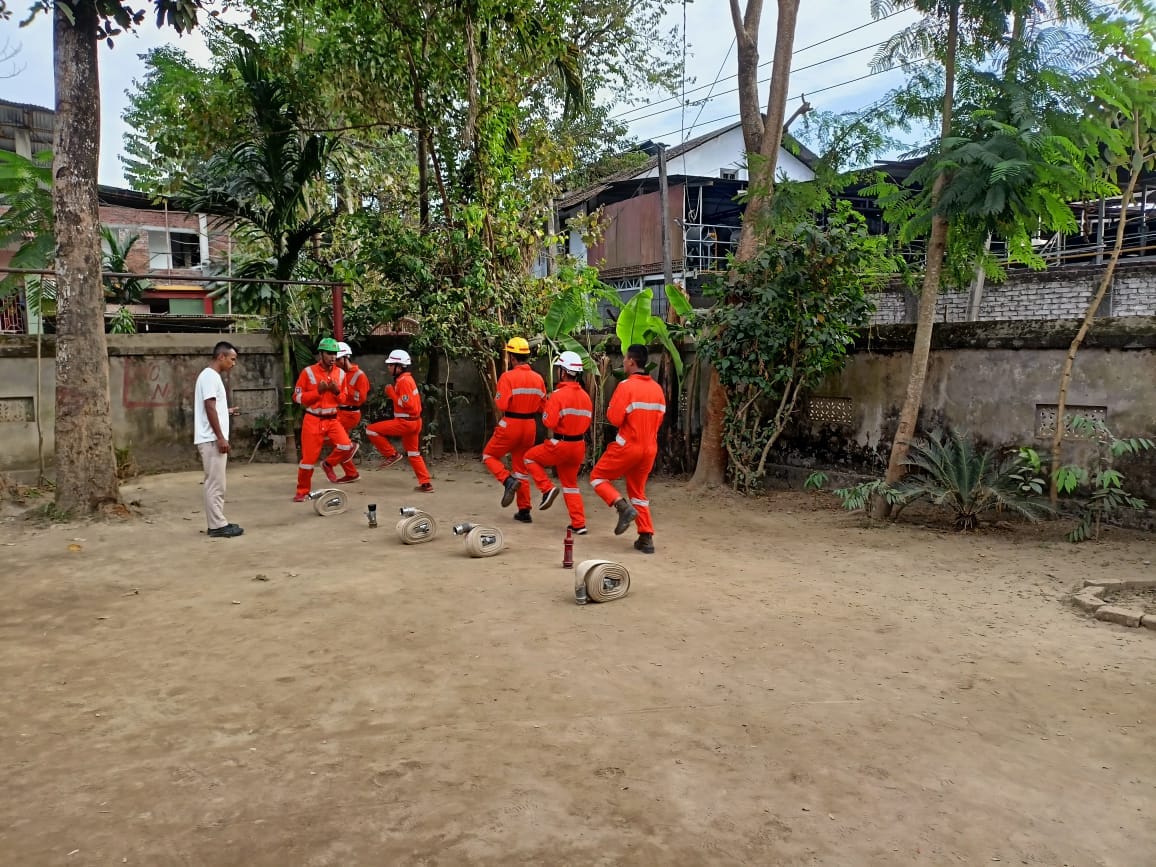
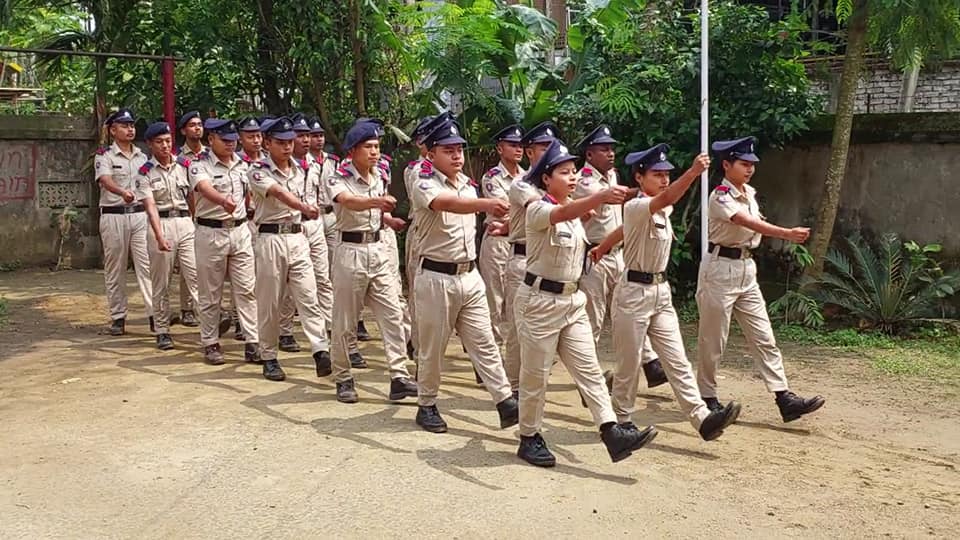
For a different setting, see NEFSA’s school fire drill checklist. If you’re exploring hands-on training, read what students practise at a fire academy.