Choosing the right fire and industrial safety institute is one of the most important decisions for students who want to build a successful career in Fire Safety, Industrial Safety, Disaster Management, and Occupational Health & Safety. With the increasing demand for certified safety professionals across industries such as Oil & Gas, Construction, Manufacturing, Aviation, and Power Plants, students in Northeast India now have several institutes to choose from.
However, not every academy offers the same level of practical training, industry exposure, placement support, and government recognition. This article provides an unbiased comparison of NEFSA India and other fire academies across Northeast India to help students make an informed decision.
Why Choosing the Right Fire Academy Matters?
A fire and safety course is much more than obtaining a certificate. Employers today look for candidates who possess:
- Practical firefighting skills
- Knowledge of industrial safety regulations
- Emergency response capabilities
- Hazard identification and risk assessment
- Disaster management expertise
- Communication and leadership skills
Institutes that focus only on classroom teaching may not adequately prepare students for real-world emergencies.
Important Factors to Compare Before Choosing Any Fire Academy
Before taking admission, evaluate an institute based on the following criteria:
- Government recognition or affiliations
- Practical training facilities
- Experienced instructors
- Updated curriculum
- Placement assistance
- Safety equipment and live drills
- Industry collaborations
- Student reviews
- Infrastructure
- Alumni success
These factors have a direct impact on your employability after course completion.
NEFSA India at a Glance
North Eastern Fire Service Academy (NEFSA India), located in Dibrugarh, Assam, has established itself as one of the recognized fire and safety training institutes in Northeast India. The academy emphasizes practical learning, industry-oriented training, and skill development for students aspiring to work in both government and private sectors. It also highlights its affiliation with the Government of Assam’s Skill, Employment and Entrepreneurship Department and offers structured fire and industrial safety programs with practical drills and placement support.
Major highlights include:
- Government-recognized skill development focus
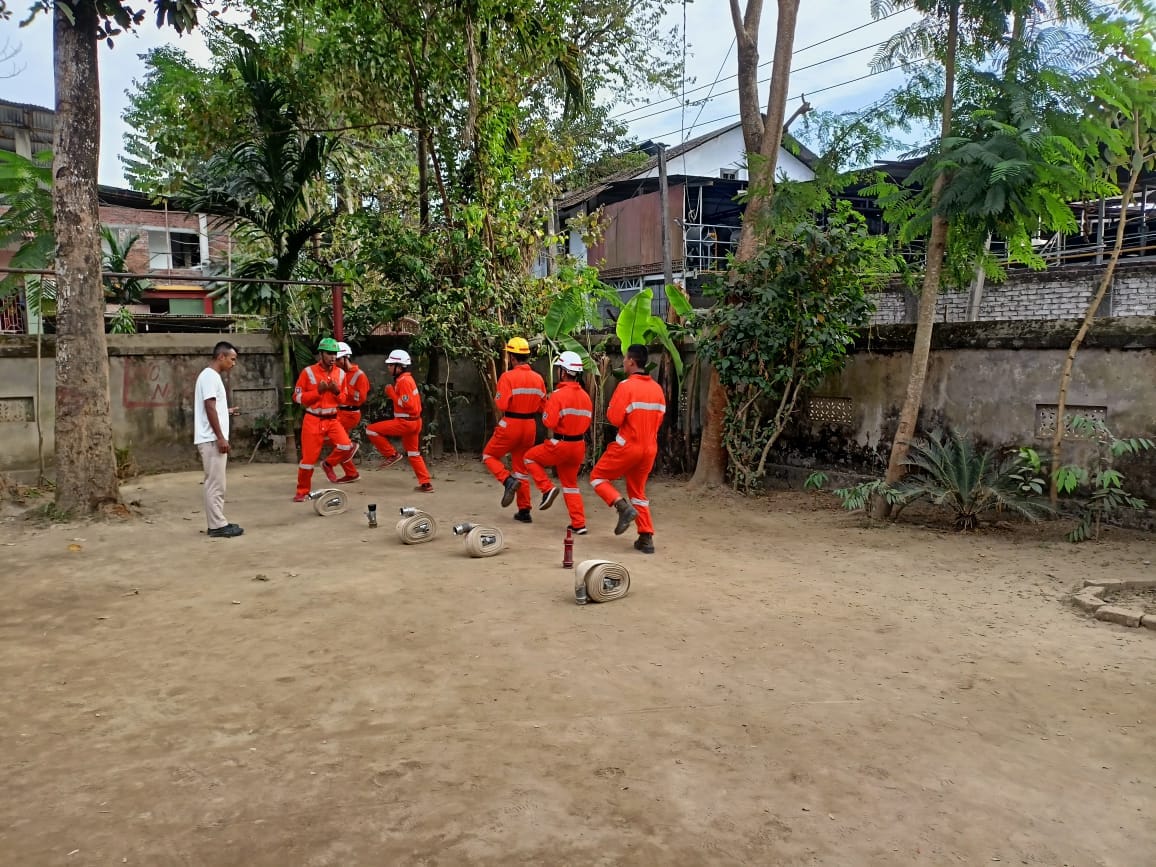
- Practical fire drills
- Industrial safety training
- Disaster management education
- Experienced faculty
- Placement guidance
- Modern training facilities
- Career-oriented curriculum
Comparison: NEFSA India vs Other Fire Academies in Northeast India
| Feature | NEFSA India | Many Other Fire Academies |
|---|---|---|
| Practical Fire Drills | Extensive | Limited in some institutes |
| Industrial Safety Training | Comprehensive | Varies |
| Modern Equipment | Yes | Depends on institute |
| Placement Support | Strong focus | Often limited |
| Government Recognition | Available | Varies |
| Disaster Management Training | Included | Not always available |
| Industry-Oriented Curriculum | Yes | May be outdated |
| Faculty Experience | Experienced trainers | Varies considerably |
| Skill Development Focus | High | Moderate |
Note: Fire academies across Northeast India differ widely in infrastructure, affiliations, faculty, placements, and training quality. Students should evaluate each institution individually before enrolling.
Practical Training Makes the Biggest Difference
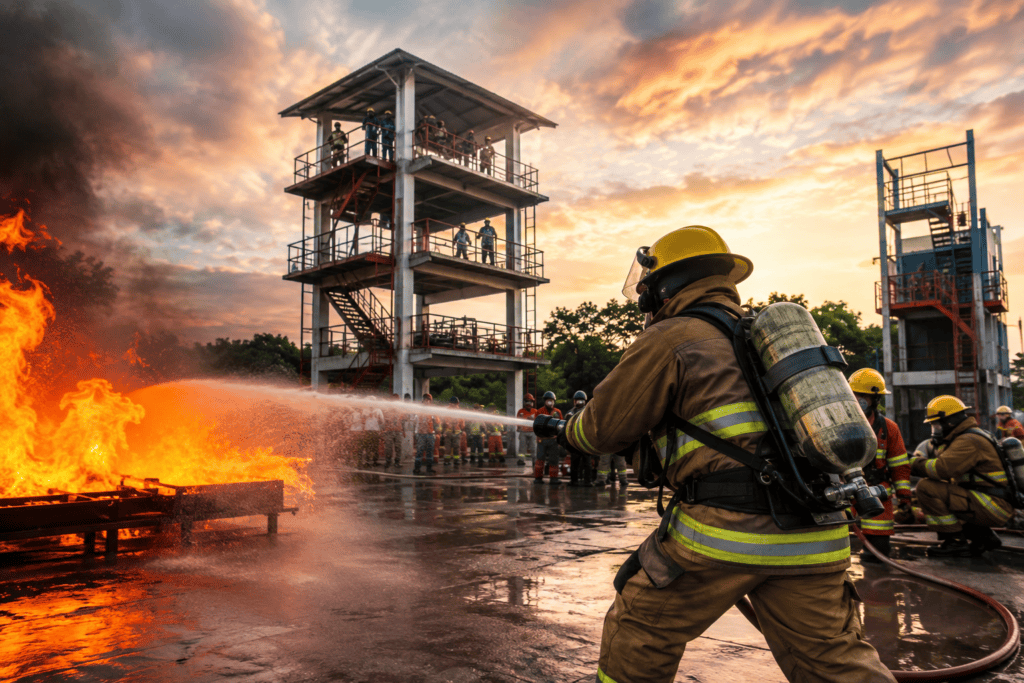
One of the biggest differences between quality fire academies and average institutes is practical exposure.
Students learn far more effectively through:
- Live firefighting exercises
- Rescue simulations
- Fire extinguisher handling
- Rope rescue
- Search and rescue operations
- Emergency evacuation drills
- Industrial hazard management
- Mock disaster exercises
NEFSA India places considerable emphasis on practical learning alongside classroom education, which is essential for developing real-world emergency response skills.
Industry-Relevant Curriculum
Industries today require professionals who understand:
- Fire Protection Systems
- Industrial Safety
- Occupational Health & Safety
- Hazard Identification
- Risk Assessment
- Safety Audits
- Emergency Planning
- Environmental Safety
NEFSA India’s listed courses cover areas such as fire technology, industrial safety management, occupational health and safety, disaster management, hazard control, and safety audits, aligning with common industry expectations.
Placement Opportunities
Many students choose a fire academy primarily for career opportunities.
Good institutes generally assist students with:
- Interview preparation
- Resume building
- Industrial exposure
- Campus recruitment
- Employer networking
NEFSA India states that it works with placement partners and provides placement assistance to students pursuing careers in fire and industrial safety.
Career Opportunities After Fire & Safety Courses
Graduates may find opportunities in:
- Oil & Gas Companies
- Refineries
- Manufacturing Industries
- Airports
- Construction Companies
- Hospitals
- Hotels
- Power Plants
- Government Departments
- Disaster Management Agencies
Common job roles include:
- Fire Safety Officer
- Safety Officer
- HSE Officer
- Safety Supervisor
- Fire Inspector
- EHS Executive
- Risk Assessment Officer
- Industrial Safety Engineer
- Safety Auditor
What Students Should Ask Before Taking Admission?
Ask the institute:
- Is the course government recognized?
- Are practical drills conducted regularly?
- Is placement support available?
- What safety equipment is used during training?
- Who are the faculty members?
- Are industrial visits included?
- What companies recruit students?
These questions help you assess the quality of training beyond marketing claims.
Why Many Students Prefer NEFSA India?
Based on publicly available information, NEFSA India stands out for several reasons:
- Practical skill-based learning
- Dedicated fire training infrastructure
- Industry-focused curriculum
- Placement-oriented approach
- Government-linked skill development
- Modern firefighting equipment
- Experienced instructors
- Focus on employability rather than only certifications
Final Verdict
If your goal is to build a long-term career in Fire Safety, Industrial Safety, or Disaster Management, you should prioritize institutes that provide practical training, recognized programs, and career support—not just classroom instruction.
NEFSA India distinguishes itself through its emphasis on hands-on learning, industry-oriented education, structured safety programs, and placement assistance. While there are other fire academies across Northeast India, students should compare facilities, faculty, recognition, and outcomes carefully before making a decision.
Ultimately, the best institute is one that equips you with the skills, confidence, and practical experience needed to protect lives, property, and industries.
Frequently Asked Questions (FAQs)
Which is the best fire academy in Northeast India?
The answer depends on your priorities, but students should compare recognition, practical training, infrastructure, placement support, and industry relevance. NEFSA India is one of the prominent options in the region based on its published training approach and course offerings.
Does practical training matter in fire safety education?
Yes. Fire safety is a practical profession where live drills, rescue simulations, and emergency response exercises are essential for building competence.
What jobs can I get after completing a fire and safety course?
Graduates can pursue roles such as Fire Safety Officer, Safety Officer, HSE Officer, Safety Supervisor, Industrial Safety Engineer, and Safety Auditor across multiple industries.
External Resources
For additional reading and industry standards, consider linking to: