Choosing the right career after completing Class 10 or Class 12 is one of the most important decisions in a student’s life. For young people interested in technical skills, emergency services, workplace safety, and protecting lives, fire and industrial safety training in Assam can open doors to rewarding professional opportunities.
If you are searching for the best fire and industrial safety institute in Guwahati, it is worth exploring reputed training options across Assam, including North Eastern Fire Service Academy (NEFSA).
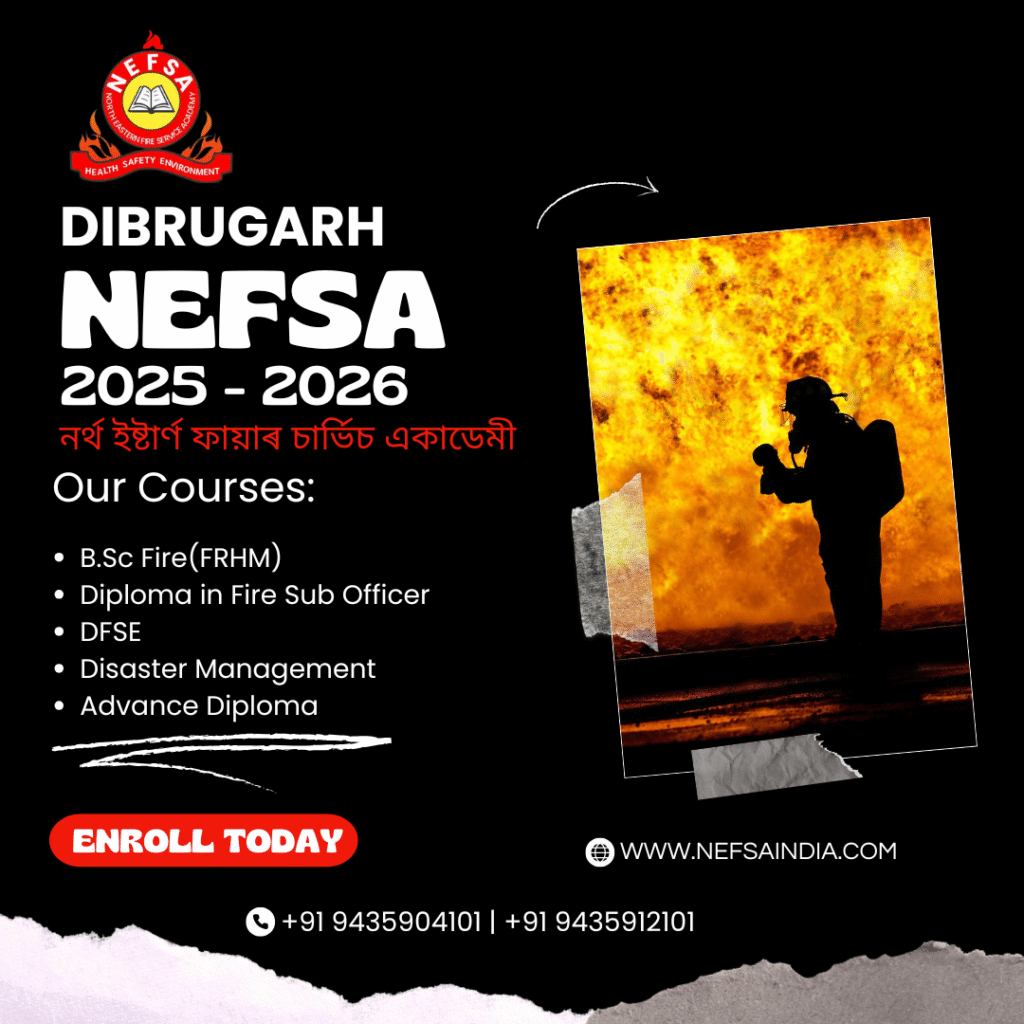
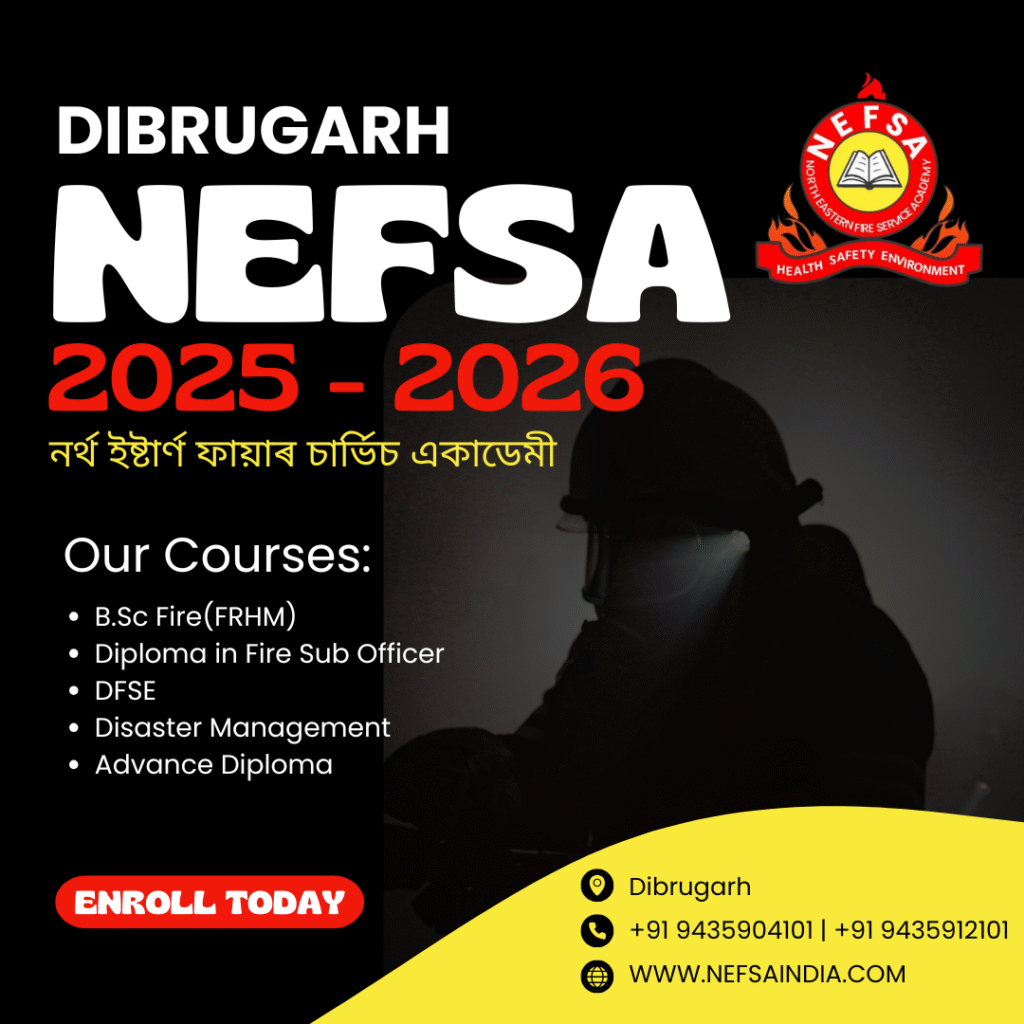
Located in Dibrugarh, Assam, NEFSA provides fire and safety education for students from Guwahati, Dibrugarh, Jorhat, Tinsukia, Sivasagar, and other parts of Northeast India.
With practical firefighting exercises, industry-oriented learning, safety management education, and career guidance, NEFSA aims to prepare students for the responsibilities of fire and industrial safety professions.
Whether your ambition is to work in industrial safety, emergency response, firefighting, or workplace hazard management, understanding the available courses and career requirements is the first step towards achieving your goals.
Why Choose Fire and Industrial Safety as a Career in 2026?
Fire and industrial safety is an important part of modern infrastructure and industrial operations.
Factories, construction projects, oil and gas installations, transportation facilities, hospitals, commercial buildings, and manufacturing units need trained personnel who understand how to prevent accidents and respond to emergencies.
Safety professionals contribute to workplace protection by identifying hazards, inspecting equipment, preparing emergency procedures, coordinating drills, and helping organizations follow applicable safety requirements.
India’s Directorate General Occupational Safety and Health (DGOSH), formerly DGFASLI, supports occupational safety through technical guidance, research, training, and the development of workplace safety practices.
Learn more through the official Directorate General Occupational Safety and Health website.
Benefits of Building a Career in Fire and Industrial Safety
- Opportunities to develop specialized technical and emergency response skills.
- Potential career paths in firefighting, industrial operations, construction, and workplace safety.
- Opportunities to progress into supervisory and management responsibilities with suitable qualifications and experience.
- The satisfaction of helping protect employees, communities, property, and the environment.
- Possibilities to explore employment in different regions of India and internationally, subject to employer and regulatory requirements.
Fire safety is more than a profession. It is a responsibility that demands discipline, knowledge, teamwork, and the ability to respond effectively under pressure.
About NEFSA – North Eastern Fire Service Academy
North Eastern Fire Service Academy (NEFSA) is a fire and safety training institution based in Dibrugarh, Assam.
The academy focuses on developing skilled fire and safety personnel, particularly for young people from Northeast India.
According to its official website, NEFSA is affiliated with the Government of Assam’s Skill, Employment and Entrepreneurship Department.
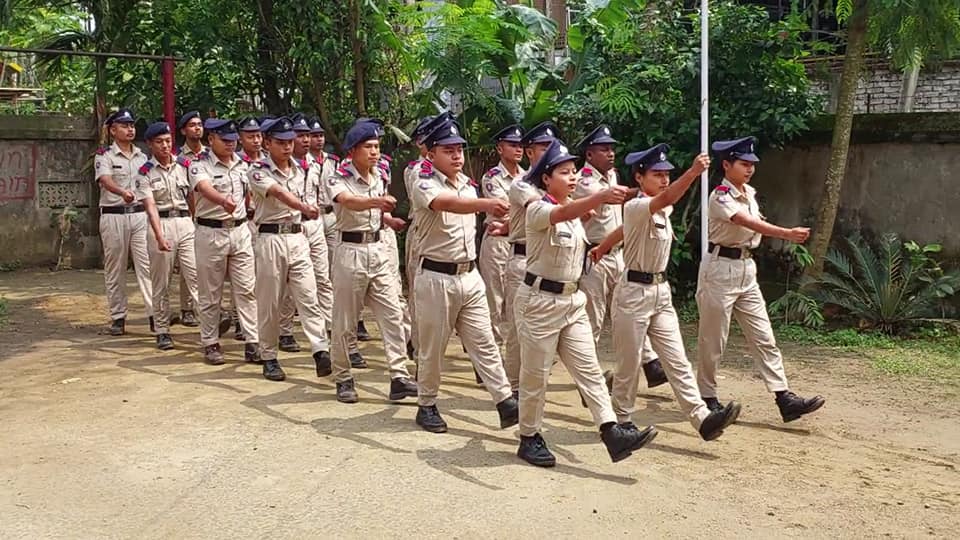
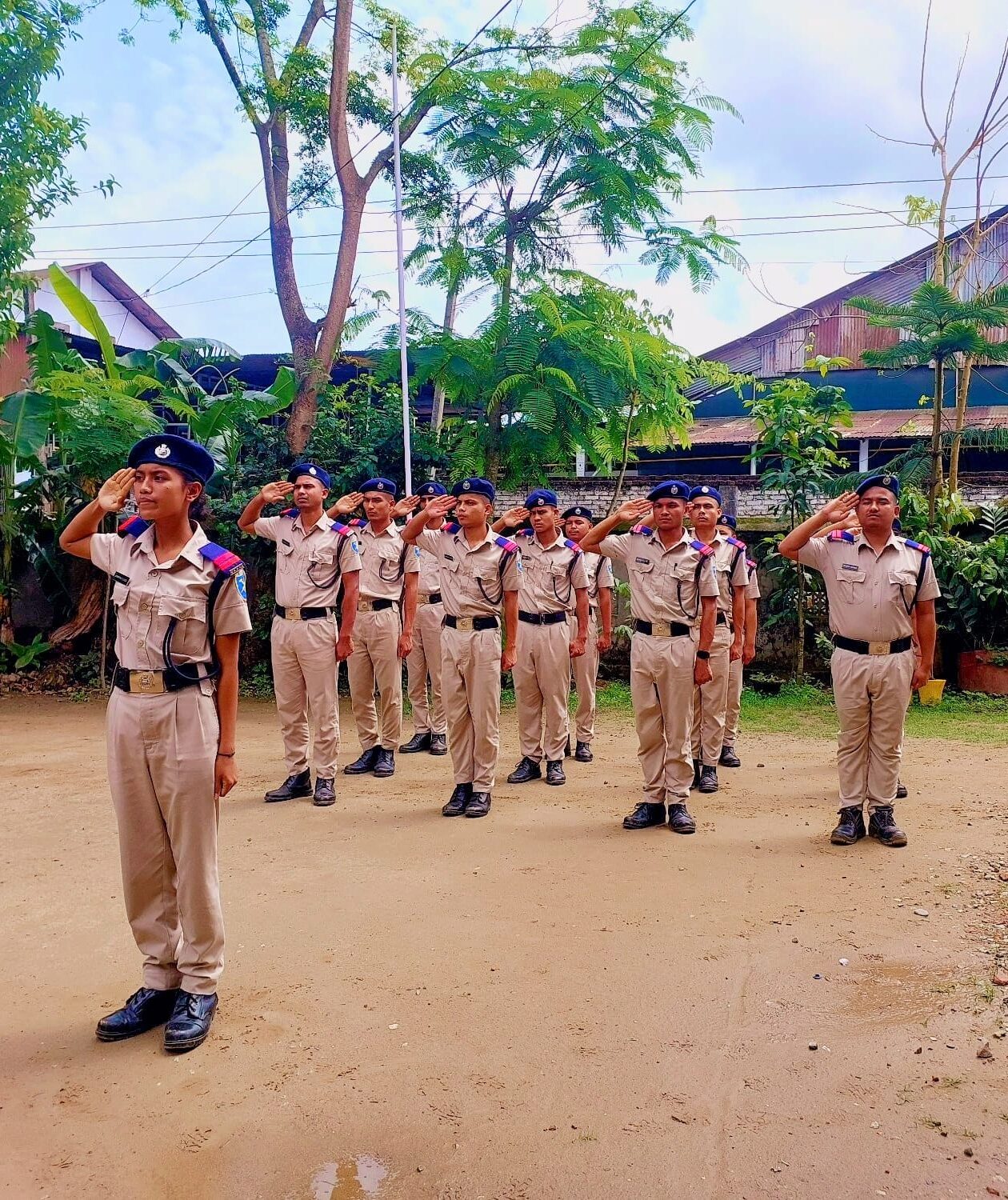
The academy emphasizes professional training, practical fire drills, industrial safety knowledge, emergency response preparation, and discipline.
Students researching fire and safety training from Guwahati can consider NEFSA as one of the institutions offering relevant professional programs in Assam.
The academy also highlights the importance of creating safety awareness within communities and preparing trainees to contribute during emergencies.
For detailed information, visit the official NEFSA Fire Academy website.
Fire and Industrial Safety Courses Offered by NEFSA
Selecting the appropriate course is an important step in building a career in fire services or industrial safety.
According to NEFSA’s published course catalogue, the academy lists several academic programs designed around firefighting, hazard management, emergency response, and industrial safety.
1. Fire Technology and Industrial Safety Management
This program introduces students to the essential principles of fire prevention and workplace safety.
Major subjects include:
- Fire science and combustion
- Industrial safety management
- Fire protection equipment
- Occupational health and safety
- Risk assessment and hazard control
- Disaster management and emergency planning
The course is designed to develop knowledge relevant to safety operations in factories, industrial facilities, and large infrastructure projects.
NEFSA lists Class 10 as the minimum educational eligibility for this program, along with other applicable admission requirements.
2. Diploma in Fire Sub-Officer
The Diploma in Fire Sub-Officer program focuses on firefighting operations, emergency management, and fire-service responsibilities.
Training areas include:
- Firefighting techniques
- Operation of firefighting equipment
- Rescue and emergency response
- Fire hose and ladder drills
- Evacuation procedures
- First aid and CPR
- Fire station communication and operations
This program can help students develop foundational operational knowledge for fire-service career pathways.
However, eligibility for a government Sub-Officer position depends on the exact recruitment rules, required qualifications, physical standards, and experience.
3. Diploma in Fire Safety Engineering
This course focuses on the technical aspects of fire safety, prevention systems, and workplace risk management.
Key topics include:
- Fire detection and alarm systems
- Fire protection engineering
- Electrical and chemical safety
- Safety regulations
- Accident investigation
- Safety audits and risk assessment
Students interested in fire protection systems and industrial risk management may find this area particularly relevant.
Professional engineering designations and regulated safety roles may require additional recognized qualifications.
4. B.Sc. in Fire Safety and Hazard Management
NEFSA also lists a Bachelor of Science program in Fire Safety and Hazard Management.
The stated educational eligibility is higher secondary education in the science stream.
Subjects include:
- Advanced fire engineering
- Environmental health and safety
- Disaster and hazard management
- Industrial and construction safety
- Safety management systems
Students considering this course should confirm the current awarding university, degree recognition, duration, examination arrangements, and admission criteria directly with the academy.
For current course details, visit NEFSA’s official courses page.
Why Practical Fire Safety Training Is Important
Fire and safety education requires more than theoretical knowledge.
During an emergency, safety personnel must understand how equipment works, communicate clearly, assess risks, and take appropriate action without exposing themselves or others to unnecessary danger.
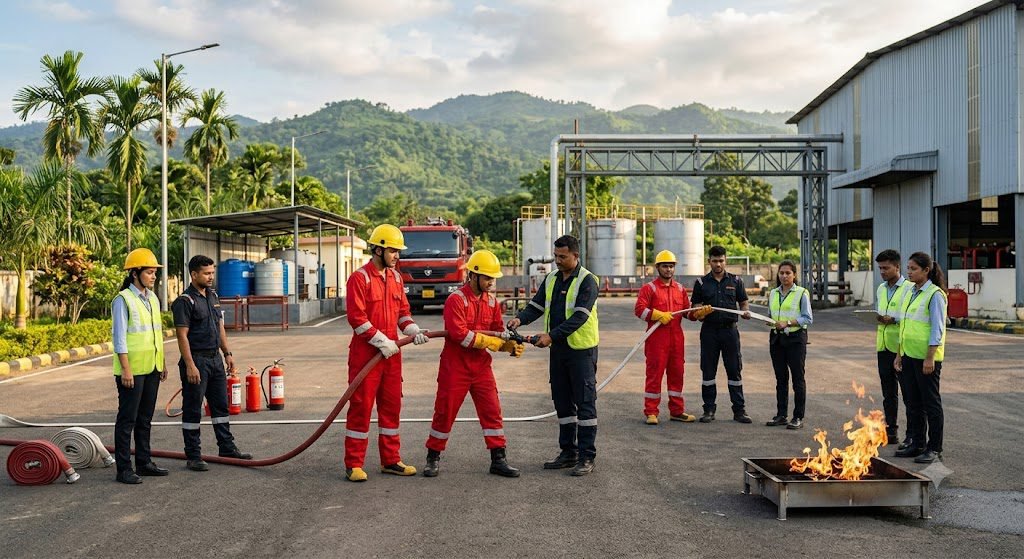
Practical training helps students connect classroom learning with realistic situations.
Fire Extinguisher Training
Trainees learn about different fire hazards, extinguisher types, inspection procedures, and safe operating practices.
Understanding which extinguisher is suitable for a particular fire is an important part of basic fire prevention.
Fire Hose and Equipment Handling
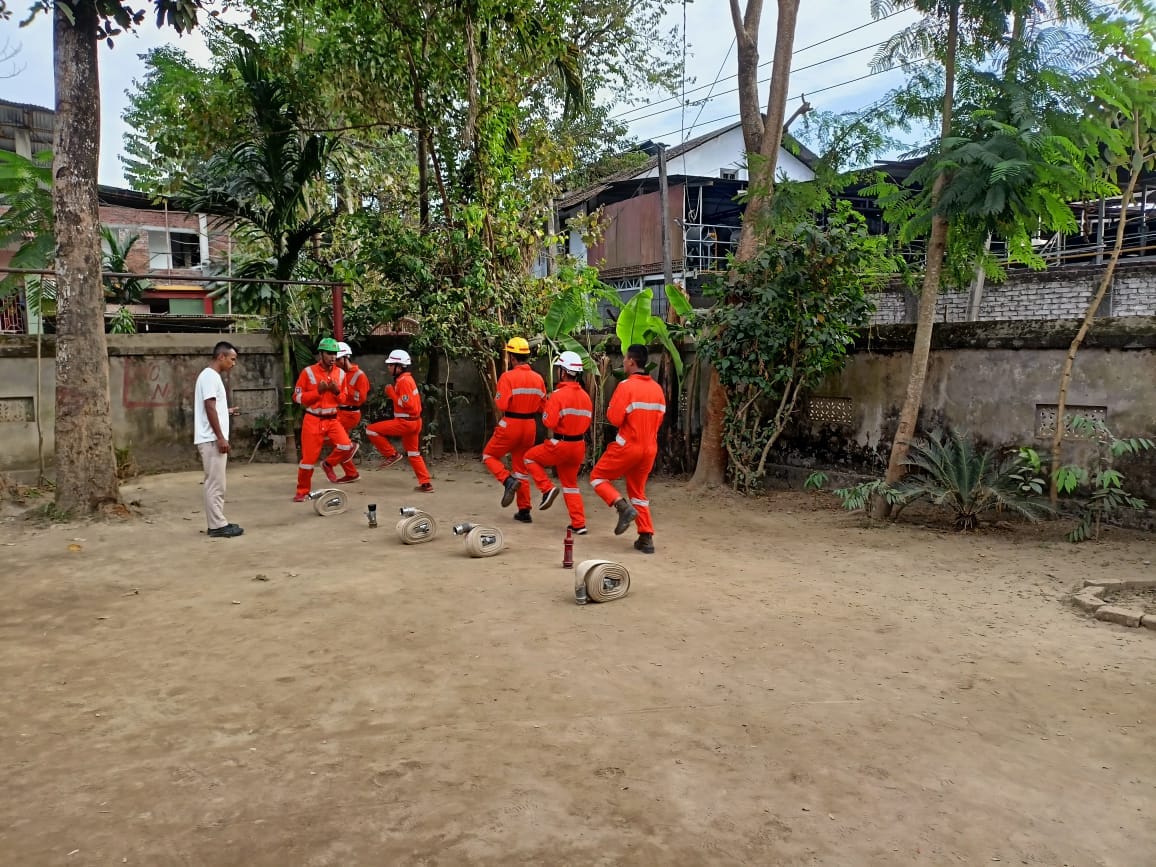
Hose drills help students become familiar with firefighting equipment, teamwork, water delivery systems, and coordinated response procedures.
Emergency Evacuation and Rescue
Evacuation exercises introduce trainees to emergency planning, safe movement, assembly points, communication, and incident response.
First Aid and Emergency Preparedness
Knowledge of first aid and emergency response can help personnel provide appropriate initial assistance while qualified medical or rescue support is arranged.
Industrial Hazard Identification
Students learn to recognize workplace risks and understand methods for reporting, controlling, and reducing hazards.
The Government of India’s National Fire Service College, Nagpur also emphasizes scientific firefighting methods, rescue operations, equipment handling, and specialized emergency training.
This reflects the broader importance of combining technical education with practical fire-service preparation.
Career Opportunities After Fire and Industrial Safety Training
One of the main reasons students choose fire and safety education is the range of occupations associated with workplace protection and emergency response.
Depending on their qualifications, physical fitness, practical experience, and applicable recruitment requirements, candidates may explore the following career pathways.
Firefighter or Fireman
Firefighters respond to fire incidents, assist with rescue operations, operate emergency equipment, and support fire prevention activities.
Industrial Safety Supervisor
Industrial safety supervisors help oversee workplace safety practices, conduct inspections, identify hazards, and promote safe working conditions.
Fire Safety Officer
Fire safety officers may assist organizations with fire prevention planning, equipment inspection, emergency drills, and fire-related risk management.
The exact qualifications depend on the employer and nature of the role.
Health, Safety and Environment (HSE) Professional
HSE personnel work on occupational health, workplace safety, environmental responsibilities, and organizational risk management.
Emergency Response Personnel
Emergency response workers support incident preparation, evacuation exercises, rescue coordination, and other emergency operations.
Safety Auditor or Risk Assessment Professional
With appropriate training and experience, professionals may move towards safety inspection, auditing, and risk assessment responsibilities.
Important: Completing a basic fire and safety course does not automatically qualify a person for every statutory Safety Officer or government fire-service position. Recruitment eligibility and recognized qualifications must be checked separately.
For examples of official fire-service recruitment requirements, students can review the Nuclear Fuel Complex employment information.
Why Students from Guwahati Can Consider NEFSA
Guwahati is a major educational and commercial centre in Northeast India, making it a natural starting point for students exploring vocational and professional education.
Students living in Guwahati who want to pursue fire and industrial safety training do not necessarily need to limit their search to institutions within the city.
NEFSA’s campus in Dibrugarh provides an alternative for those willing to study elsewhere in Assam.
Here are some of the reasons prospective students may consider the academy.
Industry-Oriented Curriculum
NEFSA’s listed courses cover industrial risk management, fire prevention, emergency response, firefighting equipment, and safety practices.
Practical Training Focus
The academy describes its programs as combining classroom teaching with practical drills and realistic training exercises.
Regional Accessibility
As an Assam-based institution, NEFSA can be considered by students from multiple districts across Northeast India.
Career Development Focus
The academy aims to prepare young people for professional opportunities in fire services and industrial safety.
Published Alumni Placement Information
NEFSA maintains an online placement page showing named alumni and their reported employment organizations.
Students can explore these examples through the NEFSA placement page.
These records provide examples of reported career outcomes, but prospective applicants should independently verify current placement support, employment arrangements, and job offers.
Industries Where Fire and Safety Professionals May Work
Fire and industrial safety knowledge is relevant to many sectors of the economy.
Oil and Gas Industry
Oil and gas facilities require specialized approaches to fire prevention, hazardous materials, emergency response, and process safety.
Construction and Infrastructure
Large construction projects need suitable safety procedures for machinery, electrical work, working at height, and other occupational risks.
Manufacturing Industries
Factories need effective hazard identification, equipment safety measures, fire protection, and emergency planning.
Hospitals and Commercial Buildings
Healthcare facilities, hotels, shopping centres, and commercial properties require fire prevention arrangements and evacuation preparedness.
Airports and Transportation
Transport facilities need trained emergency response personnel and appropriate safety systems.
Power and Energy Facilities
Power stations and energy infrastructure require strong preventive safety practices and incident response planning.
The Directorate General Occupational Safety and Health provides further information about the national importance of occupational safety in factories, construction sites, and ports.
How to Choose the Right Fire and Safety Institute in Assam
Before enrolling in any fire and industrial safety program, students should carefully compare the available institutions.
1. Check the Course Curriculum
Review the modules taught and determine whether they match your intended profession.
2. Verify Recognition and Affiliation
Ask which authority recognizes the qualification, which body awards the certificate or degree, and whether it meets the eligibility requirements for your intended career.
3. Evaluate Practical Facilities
Look for opportunities to learn about firefighting equipment, personal protective equipment, emergency procedures, and practical safety drills.
4. Understand Career Support
Ask about internships, placement assistance, employer connections, and documented alumni outcomes.
5. Confirm Fees and Course Duration
Request complete written information about tuition, practical training expenses, examination fees, accommodation, and refund policies.
6. Check Admission and Physical Requirements
Certain fire-service pathways require physical fitness, medical examinations, and other eligibility conditions.
Making these checks before admission can help students choose a suitable course with realistic career expectations.
How to Apply for Fire and Industrial Safety Courses at NEFSA
Students interested in joining NEFSA can begin by reviewing its official website and course information.
Step 1: Explore available courses
Visit the NEFSA course catalogue and identify the program that best matches your educational qualifications and career goals.
Step 2: Contact the academy
Confirm the current admission schedule, course duration, fees, and applicable eligibility requirements.
Step 3: Verify required documentation
Ask the admissions office which educational certificates, identity documents, photographs, and other records are necessary.
Step 4: Complete the admission process
Follow the academy’s official admission procedure, including any applicable physical or medical assessment.
Step 5: Begin professional training
Once enrolled, focus on building technical knowledge, practical skills, discipline, and emergency response capabilities.
Students can access the NEFSA admission portal for more information.
Frequently Asked Questions
1. Which is the best fire and industrial safety institute in Guwahati?
The best institute depends on course recognition, training quality, facilities, fees, practical learning, and individual career goals. Students searching in Guwahati may also explore NEFSA, which is located in Dibrugarh, Assam.
2. Can I join fire and safety training after Class 10?
Yes. NEFSA lists Class 10 eligibility for several of its programs, including Fire Technology and Industrial Safety Management and Diploma in Fire Sub-Officer. Additional admission requirements may apply.
3. Does NEFSA offer practical firefighting training?
According to its official course information, NEFSA includes practical fire drills, firefighting equipment handling, rescue exercises, and emergency simulations in its training programs.
4. Can fire safety students work in oil and gas companies?
Fire and safety training can be relevant to occupational roles in the oil and gas industry. Actual employment depends on the position, qualifications, experience, recruitment standards, and employer selection process.
5. Is a fire and safety diploma enough to become a Safety Officer?
Not necessarily. Some Safety Officer positions have specific statutory educational and experience requirements. Students should check applicable rules and individual job advertisements.
6. Where is NEFSA Fire Academy located?
North Eastern Fire Service Academy is located at Barbaruah, NH-37, near Bypass Chariali (Zero Point), Dibrugarh, Assam – 786007.
7. Does NEFSA provide placement assistance?
NEFSA presents placement-related information and alumni employment examples on its official website. Applicants should contact the academy for current placement assistance terms and independently verify employment opportunities.
8. How can I contact NEFSA for admission?
Students can visit www.nefsaindia.com, email info@nefsaindia.com, or contact the academy using the telephone numbers published on its official website.
Conclusion: Build Your Fire and Industrial Safety Career with NEFSA
A successful career in fire and industrial safety begins with the right combination of education, practical training, discipline, and professional development.
Students searching for the best fire and industrial safety institute in Guwahati should compare training opportunities across Assam and select a program that supports their qualifications and career objectives.
North Eastern Fire Service Academy (NEFSA) offers fire and safety programs in Dibrugarh with a focus on technical learning, practical drills, emergency response, and industrial safety education.
Whether you are interested in firefighting, workplace safety, hazard management, or further technical education, NEFSA is an institution worth exploring as part of your career research.
Take the first step towards your future in fire and industrial safety.
Visit NEFSA Fire Academy to explore available courses, admission information, and training opportunities in Assam.
| External website | Recommended anchor text |
|---|---|
| National Fire Service College | Fire service training in India |
| DGOSH – Government of India | Occupational safety in India |
| DGOSH Vision and Mission | Industrial workplace safety |
| Nuclear Fuel Complex | Fire-service recruitment requirements |
| National Career Service | Explore career opportunities in India |