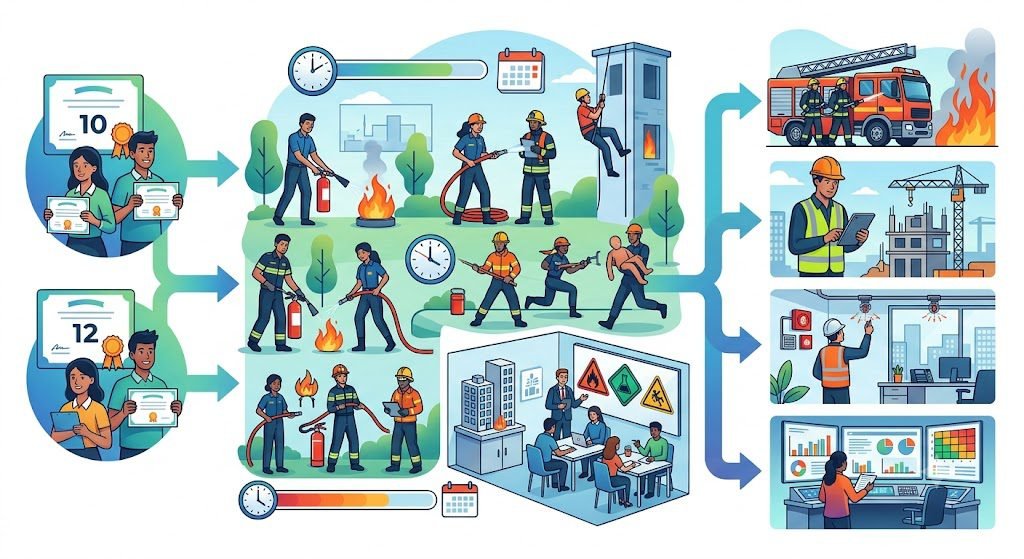
Are you searching for the best fire and safety courses after 10th and 12th in 2026? If so, professional fire and safety training could be an excellent starting point for your career.
Today, workplace safety has become essential across industries. Consequently, organizations need trained professionals who understand fire prevention, emergency response, and industrial safety procedures.
Moreover, students no longer have to depend exclusively on traditional academic pathways. Several vocational training programmes provide opportunities to develop technical skills after completing Class 10.
For students in Northeast India, NEFSA Fire Academy in Dibrugarh, Assam, offers educational programmes focused on firefighting, fire safety, and industrial safety management.
In this guide, we explain course eligibility, duration, training subjects, career opportunities, and admission procedures. Additionally, we highlight official government resources that can help students make informed decisions.
1. What Are Fire and Safety Courses?
Fire and safety courses are professional training programmes that teach students how to prevent accidents, identify workplace hazards, and respond to emergencies.
During training, students learn how fires develop and how suitable prevention measures can reduce risks. Furthermore, practical exercises may introduce equipment handling, emergency evacuation, and rescue procedures.
Common training subjects include:
- Fire prevention and protection techniques.
- Fundamentals of fire science.
- Fire extinguishers and firefighting equipment.
- Industrial and construction safety.
- Occupational health and safety.
- Emergency evacuation and rescue.
- Hazard identification and risk assessment.
- Personal protective equipment.
- First aid and disaster management.
- Fire safety procedures and inspections.
Although the syllabus varies between institutions, these subjects form an important foundation for several fire and industrial safety careers.
For official information about vocational training, students can visit the Directorate General of Training, Government of India.
2. Fire and Safety Courses After 10th in India
Students who have completed Class 10 can explore entry-level fire and safety programmes.
Unlike some engineering degrees, several vocational courses do not require Class 12 science qualifications. Therefore, eligible students can begin technical training earlier.
Fireman Trade
The Fireman trade under the Directorate General of Training introduces practical firefighting and emergency-response skills.
Course details:
- Eligibility: Class 10 pass.
- Duration: Six months.
- Training: Fire prevention, equipment handling, basic rescue, and emergency response.
Additionally, the programme includes practical activities that develop familiarity with firefighting procedures.
Students can explore the official DGT Fireman Trade.
Fire Technology and Industrial Safety Management
This vocational programme combines firefighting knowledge with industrial safety principles.
Course details:
- Eligibility: Class 10 pass.
- Duration: One year.
- Training: Fire protection, workplace hazards, industrial safety, and emergency preparedness.
Furthermore, the programme introduces workplace safety practices relevant to industrial environments.
For additional information, refer to the DGT Fire Technology and Industrial Safety Management programme.
Diploma in Fire and Safety
A diploma in fire and safety may cover fire prevention, emergency planning, safety equipment, and workplace risk management.
However, admission requirements and recognition differ among institutions. Therefore, applicants should verify the awarding authority and qualification before enrolling.
Diploma in Fire and Industrial Safety
Industrial safety programmes often focus on accident prevention, hazard analysis, and emergency management.
In addition, some courses include practical demonstrations and workplace safety procedures. These skills can provide a foundation for further education and suitable entry-level opportunities.
3. Fire and Safety Courses After 12th in 2026
After completing Class 12, students can consider a wider range of educational pathways.
For example, diploma programmes may offer practical vocational training. Meanwhile, eligible students with science backgrounds can investigate undergraduate engineering qualifications.
Popular options include:
- Diploma in Fire and Safety Management.
- Diploma in Fire and Industrial Safety.
- Diploma in Fire Safety Engineering.
- Certificate in Fire Safety and Emergency Response.
- B.Sc. in Fire Safety and Hazard Management.
- B.Tech in Fire Engineering.
Nevertheless, students should not assume that every programme has identical eligibility criteria.
The National Fire Service College, Nagpur, offers a B.Tech in Fire Engineering with specific academic and entrance examination requirements.
Consequently, applicants should check the institution’s latest admission instructions before selecting a programme.
4. Eligibility Criteria for Fire and Safety Courses
Eligibility depends on the institution and the qualification.
Educational qualifications
Several entry-level programmes accept students who have passed Class 10. However, undergraduate engineering degrees generally require specified science subjects.
Students who have completed Class 12 may also apply for eligible diploma or degree programmes.
Age requirements
Minimum age conditions depend on the training programme.
For example, the DGT Fireman curriculum specifies a minimum age of 14 years at the beginning of the academic session. Government recruitment, however, may have separate age requirements.
Physical and medical fitness
Operational firefighting can involve physically demanding activities. Therefore, some courses require applicants to satisfy specific fitness standards.
In addition, institutions may require medical certificates or physical assessments.
Admission documents
Applicants may need academic certificates, identity documents, photographs, and other supporting records.
Before applying, students should confirm the exact documentation requirements with their selected institution.
5. Duration of Fire and Safety Courses
Course duration varies according to the qualification level.
| Course | Duration |
|---|---|
| DGT Fireman Trade | 6 months |
| DGT Fire Technology and Industrial Safety Management | 1 year |
| DGT Health, Safety and Environment | 1 year |
| Private Fire Safety Certificate | Often 3–6 months or longer |
| Fire and Safety Diploma | Often 6–12 months or longer |
| B.Sc. Fire Safety-related programme | Generally 3 years |
| B.Tech Fire Engineering | 4 years |
These durations provide a general comparison. However, private certificate and diploma programmes are not standardized nationally.
Therefore, students should confirm actual course duration, syllabus, and recognition before making an admission decision.
6. Subjects Covered in Fire and Safety Training
A well-structured training programme combines technical learning with practical exercises.
Fire science and prevention
Students learn how fires start, spread, and can be controlled. As a result, they develop a better understanding of fire prevention methods.
Firefighting equipment
Training may introduce extinguishers, hoses, hydrants, alarms, and protective equipment.
Furthermore, practical demonstrations can help students understand correct equipment-handling procedures.
Industrial safety management
Industrial safety education focuses on workplace hazards, accident prevention, and safe operating practices.
For example, trainees may study electrical hazards, machinery safety, and chemical safety procedures.
Emergency response and rescue
Emergency-response training introduces rescue techniques, evacuation planning, and incident communication.
In addition, suitable practical activities may improve familiarity with emergency procedures.
Occupational health and safety
Students also learn about protective equipment, workplace inspections, and safety reporting.
Together, these subjects provide foundational knowledge relevant to professional safety operations.
7. Career Opportunities After Fire and Safety Courses
Fire and safety education can provide access to different career pathways. However, employment eligibility depends on qualifications, practical skills, and employer requirements.
Firefighter or Fireman
Firefighters respond to emergencies and participate in rescue operations. Moreover, they help protect lives and property during fire-related incidents.
Fire Safety Technician
Technicians assist with safety equipment inspections, maintenance, and fire prevention procedures.
Additionally, they may help identify equipment defects and report workplace safety concerns.
Industrial Safety Assistant
Industrial Safety Assistants support workplace inspections, hazard identification, and safe working practices.
As they gain experience, some professionals may progress toward supervisory responsibilities.
Safety Supervisor
Safety Supervisors help oversee safe working procedures and coordinate workplace safety activities.
Nevertheless, supervisory positions often require relevant professional experience and additional qualifications.
HSE Assistant or Executive
HSE personnel support occupational health, safety training, incident reporting, and environmental procedures.
Furthermore, these roles may involve conducting safety inspections and maintaining compliance documentation.
Fire Safety Officer
Fire Safety Officers can have responsibilities involving fire prevention planning, risk assessment, and emergency preparedness.
However, higher-level officer positions typically require appropriate qualifications and relevant experience.
Emergency Response Personnel
Emergency-response workers support evacuation, rescue operations, and incident preparedness.
Consequently, practical training and physical fitness can be particularly important for operational positions.
8. Industries Offering Fire and Safety Career Opportunities
Fire and safety knowledge is relevant across several important sectors.
Potential employment industries include:
- Oil and gas.
- Manufacturing and industrial plants.
- Construction and infrastructure.
- Airports and transportation.
- Power generation.
- Hospitals and healthcare.
- Hotels and commercial buildings.
- Warehousing and logistics.
- Fire protection service providers.
For example, manufacturing facilities may require personnel to support workplace safety inspections. Similarly, commercial buildings need appropriate fire prevention and emergency preparedness systems.
Therefore, fire and industrial safety training can support several possible career pathways.
However, the availability of jobs varies by industry, qualifications, location, and experience.
9. Government Fire and Safety Jobs in Assam
Government fire services provide another possible career pathway for eligible candidates.
In Assam, the Fire & Emergency Services department publishes information about roles and recruitment requirements.
Potential positions include Fireman, Emergency Rescuer, Sub Officer, Station Officer, and Driver Operator.
However, each position has its own eligibility criteria and selection procedures.
For instance, government recruitment may involve written examinations, physical tests, medical fitness requirements, and document verification.
Therefore, candidates should consult the Assam Fire & Emergency Services Recruitment Criteria.
Additionally, the official Assam Fire & Emergency Services website provides relevant departmental information.
Completing a fire and safety course does not guarantee government employment or selection.
10. Fire and Safety Training at NEFSA Fire Academy, Assam
Students searching for fire and safety courses in Assam can explore the programmes offered by North Eastern Fire Service Academy.
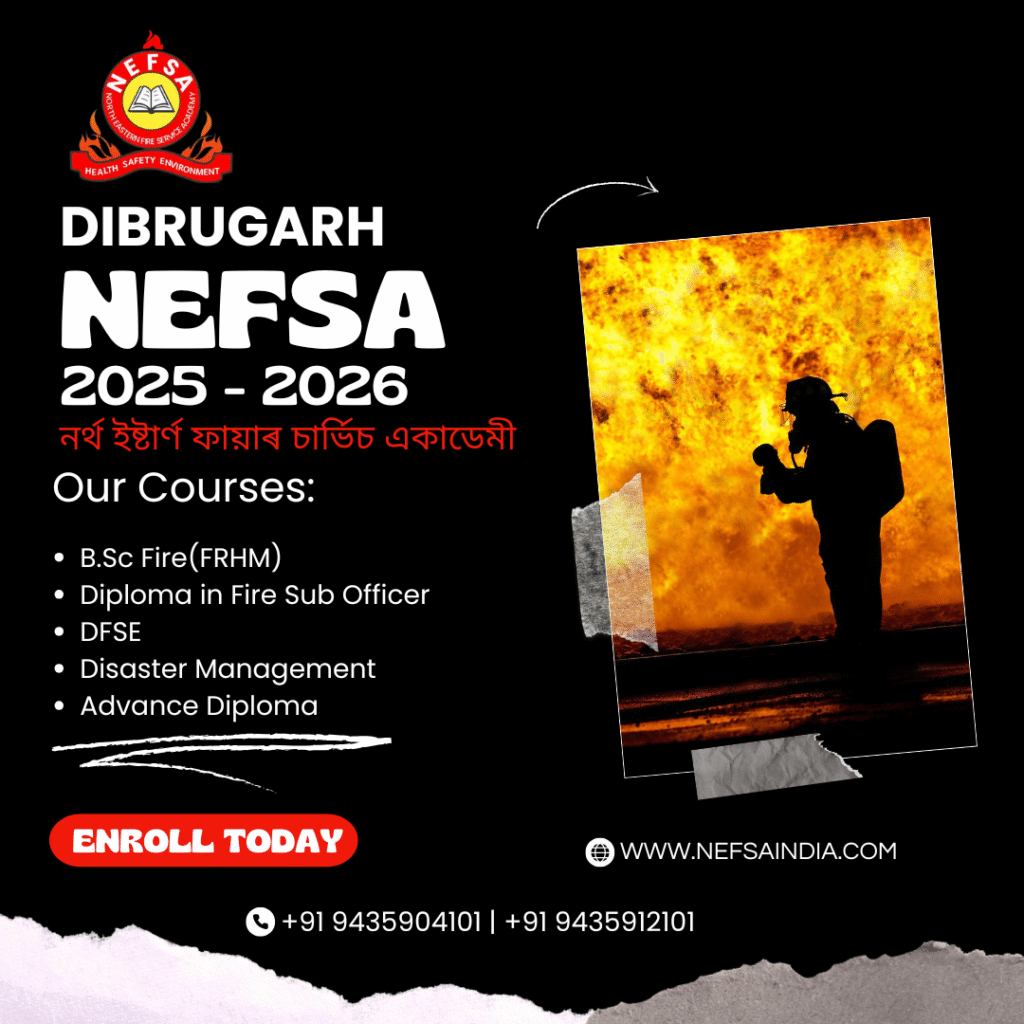
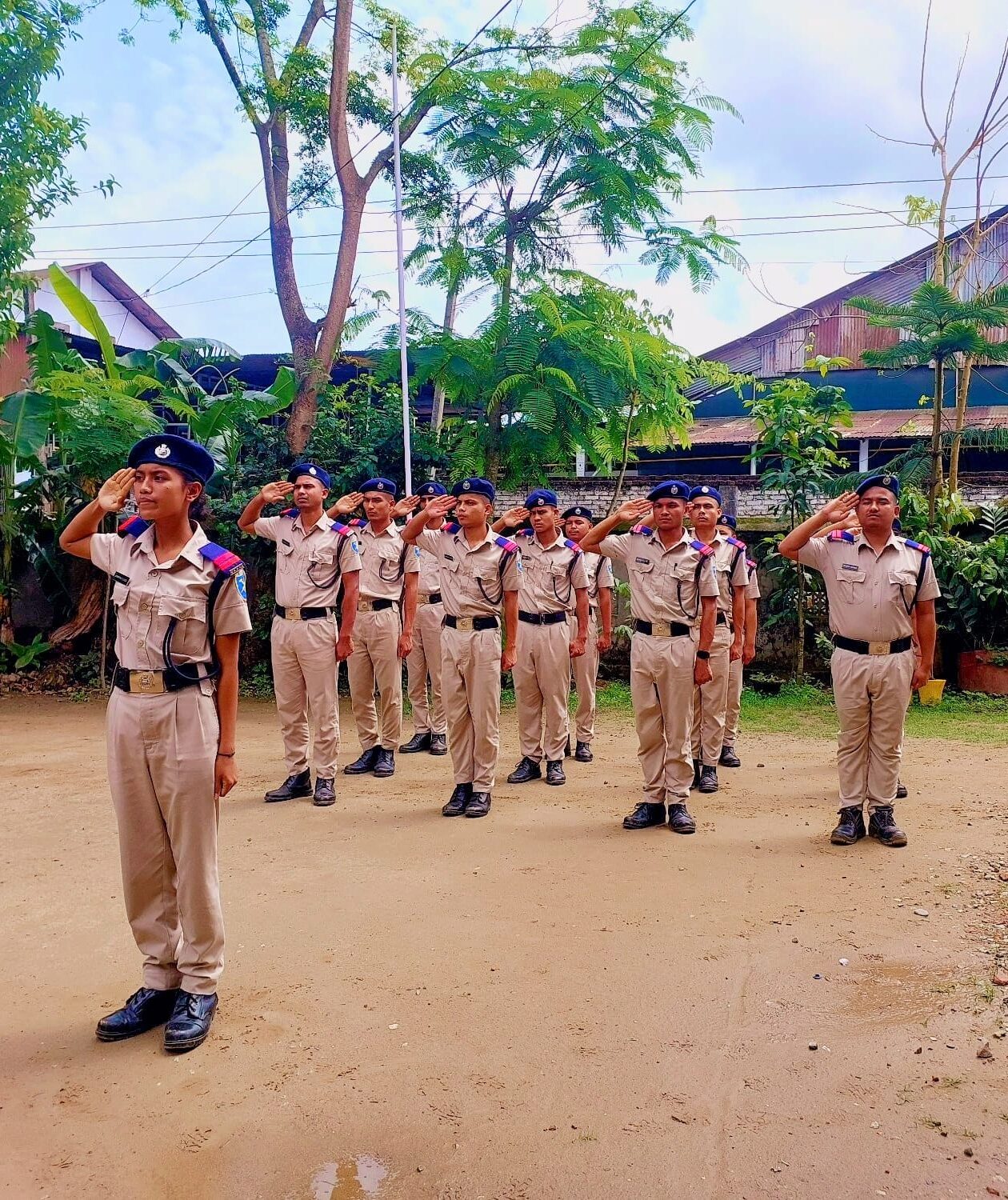
Located in Dibrugarh, NEFSA provides training focused on firefighting, industrial safety, fire prevention, and emergency preparedness.
According to its published course information, the academy offers several programmes.
Fire Technology and Industrial Safety Management
This programme introduces fire science, safety equipment, industrial hazards, and emergency procedures.
Moreover, students may gain practical exposure to essential fire safety techniques.
Diploma in Fire Sub-Officer
The programme covers firefighting operations, rescue procedures, emergency planning, and related technical subjects.
Additionally, it introduces foundational aspects of fire service operations.
Diploma in Fire Safety Engineering
Students explore fire protection systems, industrial hazards, safety procedures, and relevant technical concepts.
As a result, the programme may support further learning in fire safety and industrial operations.
B.Sc. in Fire Safety and Hazard Management
This programme covers advanced concepts relating to fire safety, hazard management, and occupational safety.
However, applicants must satisfy the published academic eligibility requirements.
Students can review the official NEFSA course information to explore programme details.
11. Why Consider NEFSA Fire Academy?
Choosing a suitable training institution is an important part of career planning.
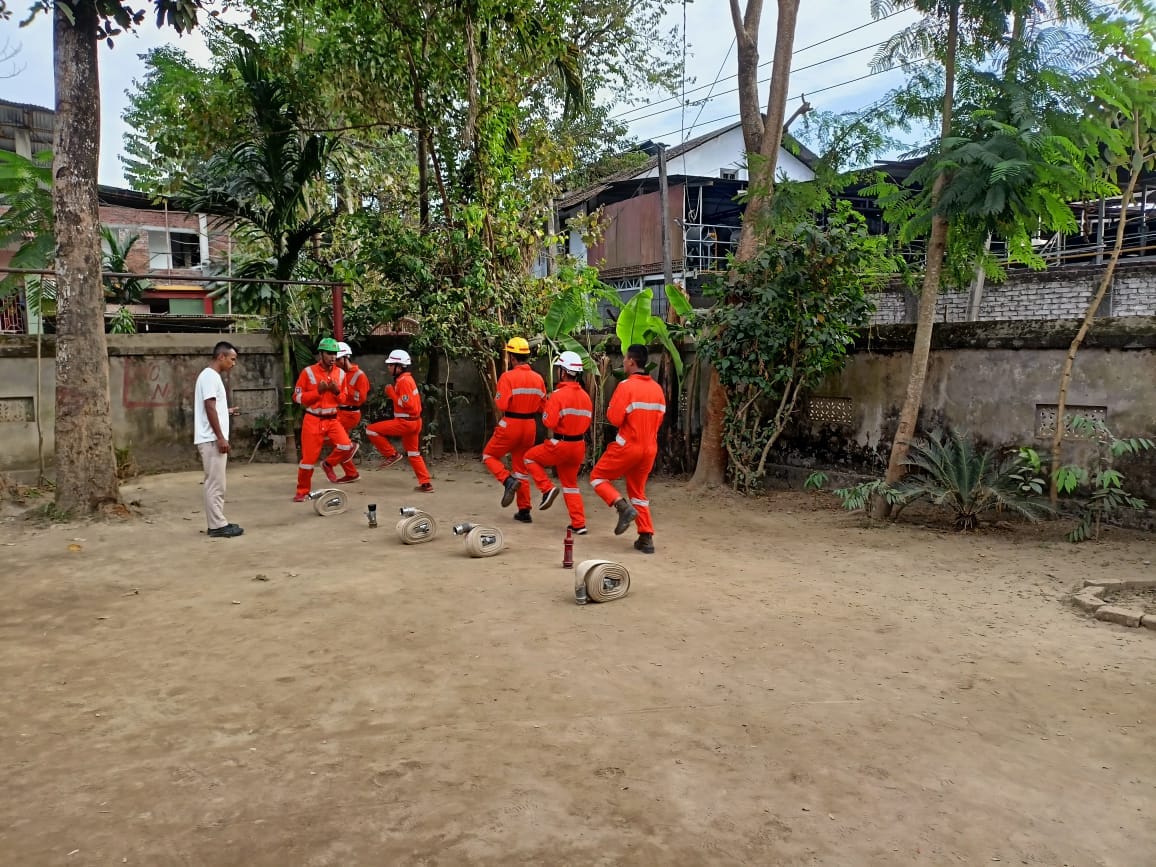
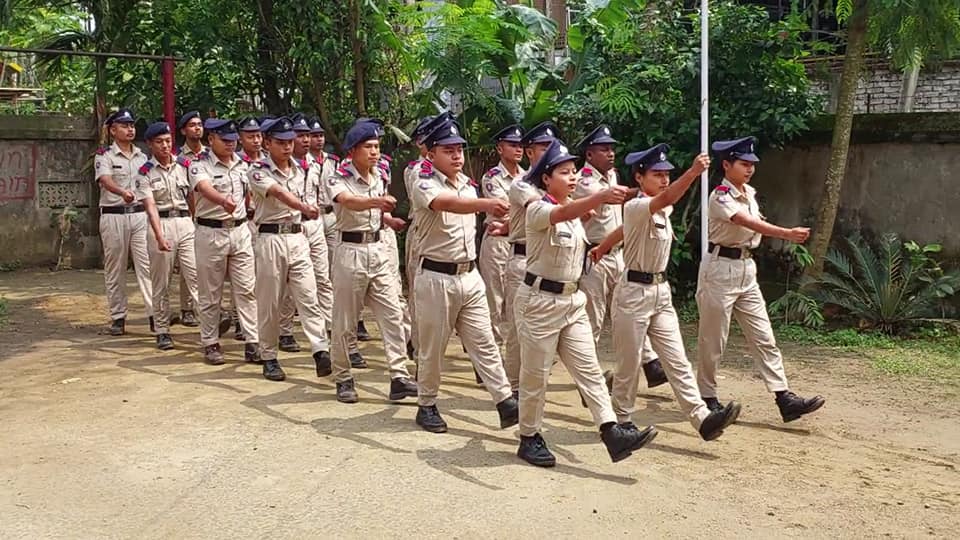
NEFSA offers educational programmes focused on fire and industrial safety. Furthermore, its published information describes practical training activities, including fire drills and emergency simulations.
The academy is located in Dibrugarh, making it a potential option for students from Assam and other Northeastern states.
In addition, its course offerings cover different educational pathways, from vocational training to degree-level study.
Nevertheless, prospective students should verify the latest course duration, fees, admission requirements, qualification recognition, and awarding arrangements before enrolling.
12. How to Apply for NEFSA Fire and Safety Courses
Students interested in applying can follow these steps:
- Visit the official NEFSA website.
- Explore the available fire and safety programmes.
- Check course eligibility, duration, and admission conditions.
- Prepare the required educational and identity documents.
- Review the NEFSA Admission Portal.
- Complete the required application and verification procedures.
Before submitting an application, confirm whether physical or medical assessments are required.
13. Frequently Asked Questions
Can I join a fire and safety course after 10th?
Yes. Several vocational programmes accept Class 10 qualifications. For example, the DGT Fireman and Fire Technology and Industrial Safety Management trades list Class 10 as an entry requirement.
Which fire and safety course is best after 12th?
The best programme depends on your career goals. For instance, a vocational diploma may suit students interested in practical safety operations. Alternatively, eligible science students may explore degree-level fire engineering programmes.
How long does a fire and safety course take?
Course duration varies. The DGT Fireman trade takes six months, whereas Fire Technology and Industrial Safety Management takes one year. Meanwhile, degree-level programmes generally require several years.
Can arts and commerce students join fire and safety training?
Yes, some vocational courses accept students without a Class 12 science background. However, engineering programmes typically require specific academic subjects.
Are government jobs available after fire and safety training?
Eligible candidates may apply for relevant government recruitment opportunities. Nevertheless, completing a course does not guarantee employment or exemption from selection requirements.
Is physical fitness necessary?
Some operational firefighting programmes require physical and medical fitness. Therefore, students should review the specific course requirements before applying.
Is fire and safety training useful for industrial jobs?
Yes. Safety knowledge is relevant to several industries, including manufacturing, construction, logistics, and oil and gas. However, actual job eligibility depends on the employer and the candidate’s qualifications.
Where can I study fire and safety in Assam?
Students can explore North Eastern Fire Service Academy in Dibrugarh and other institutions offering suitable qualifications.
Does NEFSA offer courses after 10th?
NEFSA’s published course information lists Class 10 eligibility for certain programmes. However, applicants should confirm the latest admission criteria directly with the academy.
How can I apply to NEFSA Fire Academy?
Visit the official academy website and review the admission instructions. Alternatively, contact the admissions office for current programme details.
14. Conclusion: Start Your Fire and Safety Career in 2026
Choosing a career after Class 10 or 12 requires careful planning. Fortunately, fire and safety education offers several vocational and academic pathways.
Students interested in firefighting, industrial safety, and emergency response can explore programmes suited to their qualifications and career ambitions.
Furthermore, professional training can help learners develop technical knowledge and an understanding of workplace safety practices.
However, selecting a recognized and appropriate qualification remains essential. Therefore, students should compare course content, training facilities, duration, eligibility, and career requirements before enrolling.
For those researching fire and safety courses after 10th and 12th in Assam, NEFSA Fire Academy provides programmes in fire technology, industrial safety, and hazard management.
Explore Fire and Safety Training Opportunities at NEFSA Fire Academy.
North Eastern Fire Service Academy (NEFSA)
Location: Barbaruah, NH-37, Near Bypass Charali, Dibrugarh, Assam – 786007
Website: https://www.nefsaindia.com/
Courses: https://www.nefsaindia.com/courses.php
Admission Portal: https://admission.nefsaindia.com/
Contact the academy for updated admission details, course fees, and eligibility requirements.
Official External References
- Directorate General of Training, Government of India
- DGT Fireman Trade
- DGT Fire Technology and Industrial Safety Management
- National Fire Service College, Nagpur
- Assam Fire & Emergency Services
- Assam Fire & Emergency Services Recruitment Criteria
Course information is provided for educational guidance. Admission, recognition, and recruitment requirements should always be verified using current official sources.