Fire and industrial safety have become essential responsibilities across factories, construction sites, hospitals, airports, hotels, oil and gas facilities, warehouses and other workplaces. Organisations need trained professionals who understand fire prevention, emergency response, workplace hazards and the correct use of safety equipment.
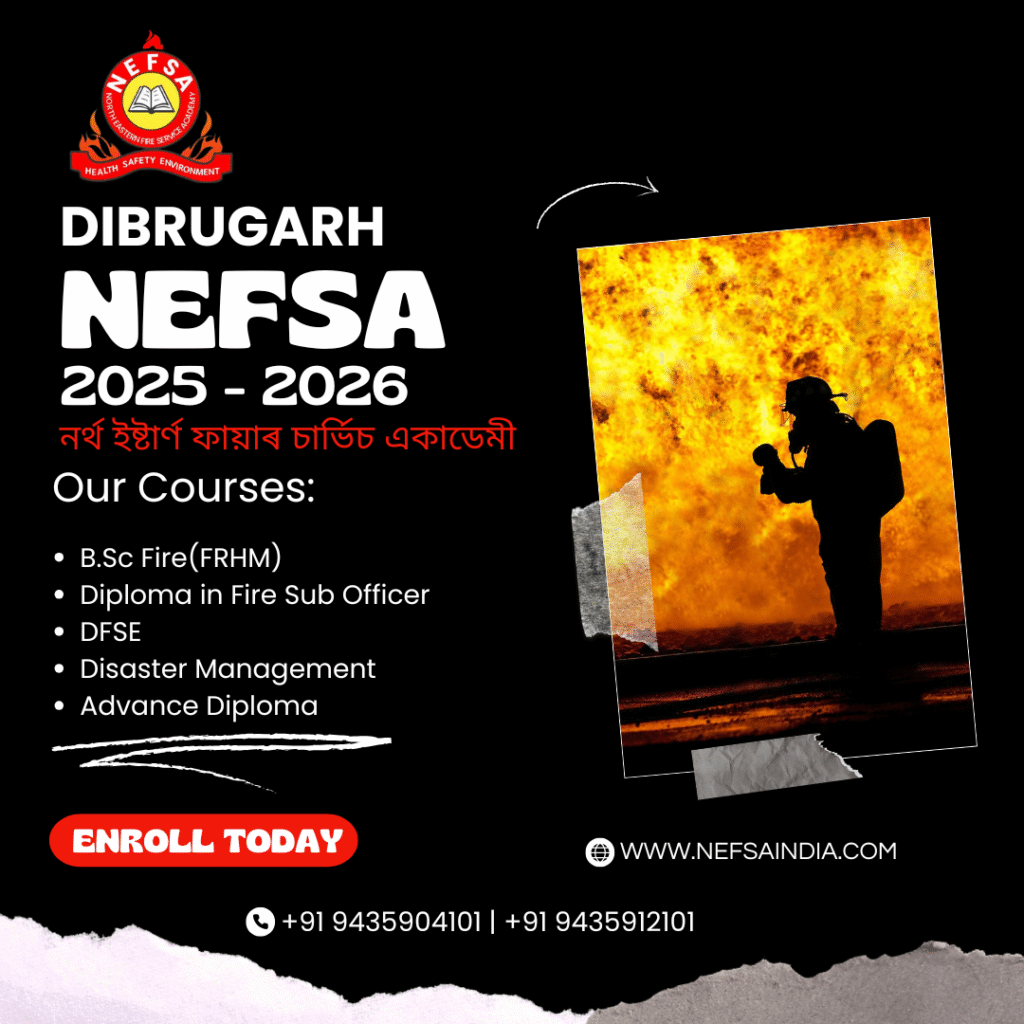
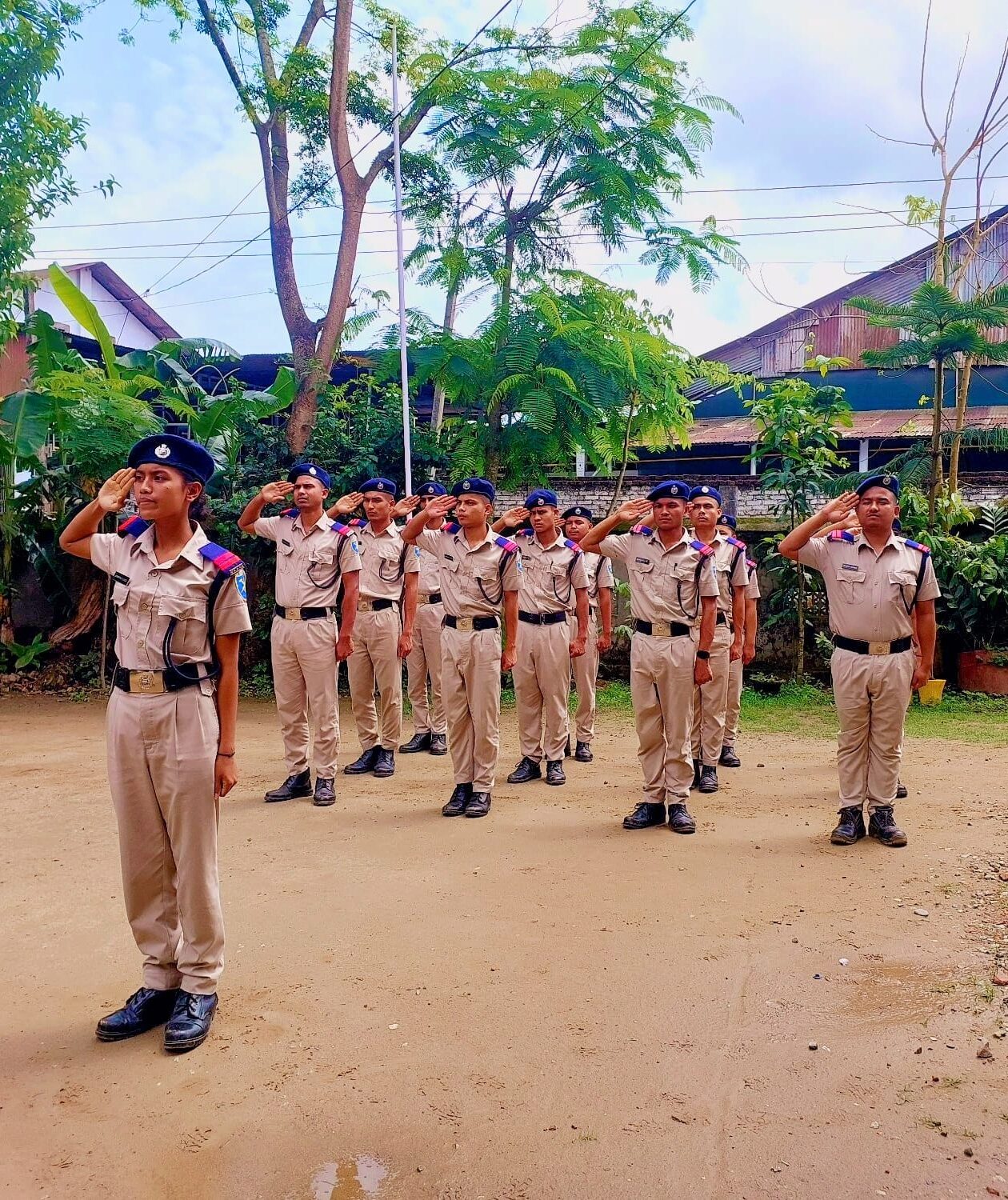
For students in Assam and other parts of Northeast India, the North Eastern Fire Service Academy (NEFSA) offers a pathway to develop practical skills and prepare for opportunities in this important field. With structured learning, professional guidance and hands-on exposure, students can build the competence and confidence needed to begin a career in fire and safety.
Why Choose a Career in Fire and Safety?
Fire and safety professionals help protect people, property and business operations. Their responsibilities may include identifying hazards, inspecting equipment, implementing safety procedures, assisting during emergencies and educating employees about workplace precautions.
India’s occupational-safety framework demonstrates the importance of maintaining safer working environments. The Occupational Safety, Health and Working Conditions Code, published by the Ministry of Labour and Employment, consolidates provisions concerning workplace safety, health and working conditions.
Qualified candidates may explore roles in sectors such as:
- Fire and emergency services
- Manufacturing and industrial plants
- Oil, gas and petrochemical facilities
- Construction and infrastructure
- Airports and aviation facilities
- Hospitals, hotels and shopping centres
- Warehousing and logistics
- Power plants and engineering companies
- Safety consultancy and facility management
- Disaster preparedness and emergency response
Employment depends on the candidate’s qualifications, practical ability, medical fitness, experience and the specific recruitment requirements of each organisation.
Why Practical Fire-Safety Training Matters
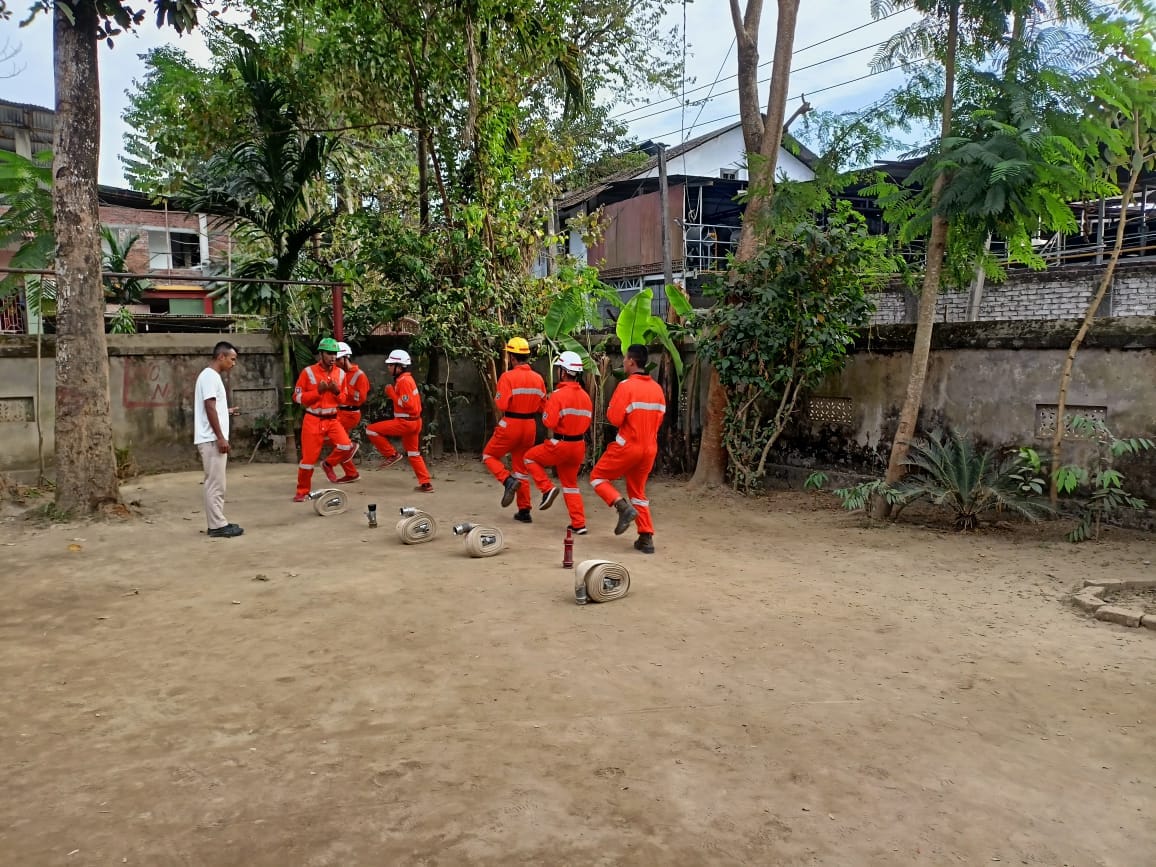
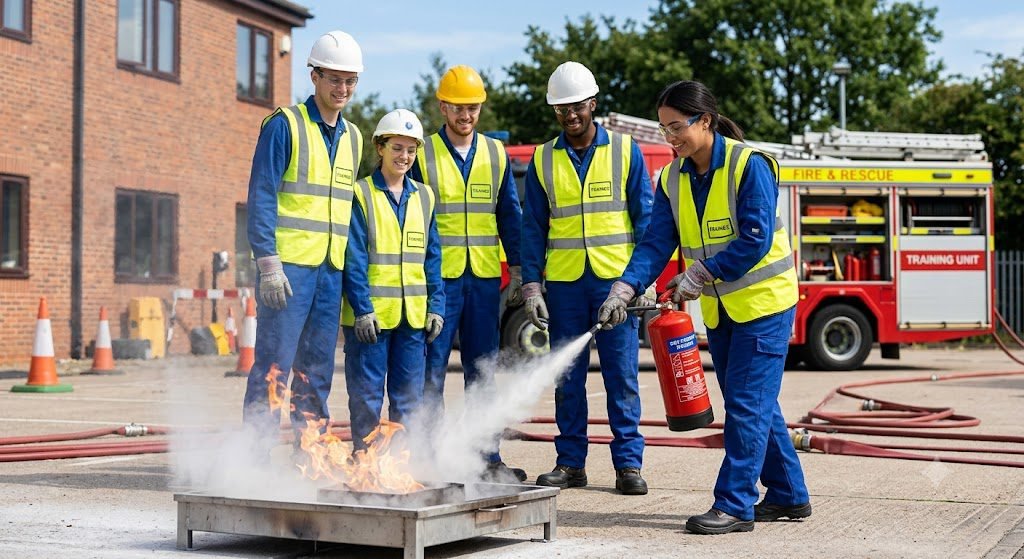
Firefighting cannot be mastered through theory alone. Students must learn how to assess a dangerous situation, select suitable equipment and respond without creating additional risks.
The recommended fireman-training syllabus published by India’s Directorate General Fire Services, Civil Defence and Home Guards covers areas such as the chemistry of fire, combustion, methods of extinguishment and the use of water. This reflects the technical knowledge expected in professional fire-service training. Students can consult the government’s detailed Fire and Emergency Services Training Infrastructure report for broader information.
Practical training can help students understand:
- Different classes and causes of fire
- Fire extinguishers and firefighting equipment
- Hose handling and basic firefighting operations
- Emergency evacuation procedures
- Rescue techniques and personal safety
- First aid and incident response
- Workplace hazard identification
- Use of personal protective equipment
- Safety drills and emergency communication
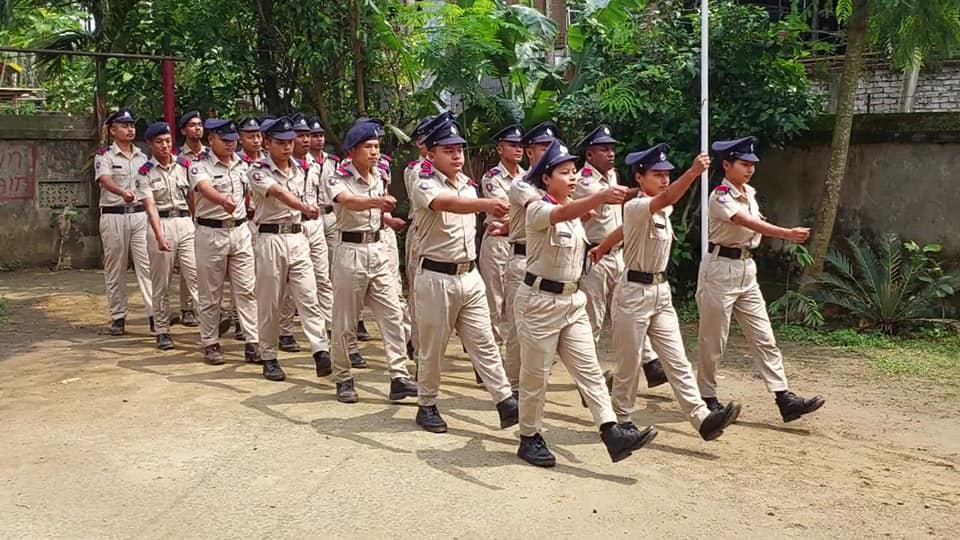
- Teamwork, discipline and physical preparedness
This combination of technical knowledge and practical exposure can make a learner more prepared for real workplace responsibilities.
NEFSA: Fire and Safety Education in Northeast India
The North Eastern Fire Service Academy states that it was established in Dibrugarh, Assam, under the Societies Registration Act of 1860 and the Government of Assam Trust Act. Its website also states that the academy is affiliated with the Government of Assam’s Skill, Employment and Entrepreneurship Department.
Its location can make professional fire and safety education more accessible to students from Assam and neighbouring Northeastern states who may otherwise need to travel far from home for specialised training.
NEFSA focuses on developing employable skills through fire and safety education, practical learning and career-oriented guidance. Students should review the current course curriculum, affiliation, certification, duration, fees and eligibility directly with the academy before taking admission.
Skills That Can Support a Successful Career
A certificate alone does not guarantee professional success. Employers generally value candidates who can demonstrate knowledge, discipline, physical readiness and responsible behaviour.
A career-oriented training programme should help learners develop several important abilities:
- Understanding fire behaviour and prevention
- Recognising workplace hazards
- Operating firefighting equipment correctly
- Following emergency procedures
- Communicating clearly during incidents
- Working effectively as part of a response team
- Maintaining discipline and situational awareness
- Preparing basic safety and incident documentation
- Following personal and occupational safety practices
Students should also work on spoken English, basic computer knowledge, report writing and interview preparation. These supporting skills can improve their readiness for private-sector and industrial safety roles.
Understanding Fire Prevention and Preparedness
Professional fire safety begins before an emergency occurs. It involves recognising hazards, maintaining equipment, keeping escape routes clear and preparing people to respond correctly.
The National Disaster Management Authority’s fire-safety guidance advises placing functioning fire extinguishers at strategic locations and following essential preventive measures. NDMA has also issued national guidance covering the scaling, equipment and training of fire services. Its collection of official material is available through the NDMA Guidelines portal.
These resources demonstrate why students must learn both emergency response and preventive safety management. A capable safety professional should know how to reduce the possibility of an incident, not merely how to react after one begins.
Career Opportunities After Fire and Safety Training
Depending on qualifications and employer requirements, trained candidates may consider positions such as:
- Fireman or firefighter
- Fire and safety technician
- Safety assistant
- Emergency response team member
- Fire-equipment technician
- Safety supervisor
- HSE assistant
- Fire-control-room operator
- Industrial safety trainee
- Evacuation or emergency coordinator
Experienced professionals who continue their education may later progress towards supervisory, inspection, training or safety-management responsibilities. However, government fire-service recruitment usually follows separate notifications, examinations, physical standards and eligibility rules. Candidates should always consult official recruitment notices rather than assume that course completion guarantees a government appointment.
How Students Can Improve Their Employability
Students can strengthen their career prospects by treating training as professional preparation rather than simply a route to obtaining a certificate.
They should:
- Attend theoretical and practical sessions regularly
- Participate seriously in drills and demonstrations
- Develop physical fitness and stamina
- Learn the proper names and uses of safety equipment
- Practise workplace communication and report writing
- Maintain copies of certificates and training records
- Prepare a clear, professional résumé
- Verify job openings through official employer channels
- Continue learning about fire codes and safety standards
- Never pay an unverified individual in exchange for a job promise
Continuous learning is especially important because equipment, workplace risks, regulations and industry practices evolve over time.
Why NEFSA Can Be a Valuable Choice for Northeastern Students
NEFSA provides students in Northeast India with access to specialised education closer to home. Its career-focused environment can help learners gain foundational knowledge, participate in practical exercises and understand the responsibilities associated with fire and safety work.
The academy can be particularly useful for students who want to:
- Enter the fire and industrial safety sector
- Develop practical emergency-response skills
- Learn through structured professional training
- Prepare for entry-level safety responsibilities
- Build confidence, discipline and teamwork
- Explore career opportunities across different industries
Prospective students should speak with the academy about the latest programme structure and request written information concerning recognition, certification and placement assistance.
Start Building Your Fire and Safety Career with NEFSA
A successful career in fire and safety requires courage, technical knowledge, discipline and a commitment to protecting others. The right training can provide a strong foundation, but long-term growth depends on regular practice, professional conduct and continuous skill development.
For aspiring candidates in Assam and across Northeast India, NEFSA offers an opportunity to begin this journey in a focused learning environment. Visit the official NEFSA website to review its current programmes and contact the academy for verified admission information.
Take the first step towards becoming a responsible and skilled fire and safety professional. With suitable training, consistent effort and the right attitude, you can build a meaningful career dedicated to workplace safety and emergency preparedness.
External backlinks
- National Disaster Management Authority – Fire Safety
- NDMA Guidelines for Fire and Emergency Services
- Directorate General Fire Services, Civil Defence and Home Guards
- Fire and Emergency Services Training Infrastructure in India
- National Fire Service College
- Ministry of Labour and Employment – Occupational Safety and Health Code
- Ministry of Home Affairs – Government of India
- National Skill Development Corporation
- Skill India Digital Hub
- Bureau of Indian Standards