Fire and industrial safety is a career path built around one core responsibility: protecting people, property, equipment, and workplaces from preventable hazards. For students who have completed Class 10 or Class 12, the field can offer multiple entry routes through vocational training, diploma programs, technical education, fire-service training, and later specialization in industrial safety. However, one important point must be understood from the beginning: Not every fire and safety course after 10th or 12th automatically makes someone eligible for a statutory “Safety Officer” position. Eligibility for certain regulated roles can depend on higher technical qualifications, recognized diplomas, work experience, and applicable state or central rules. Official industrial-safety programs run through government labour institutes generally have stricter entry requirements than beginner-level fire and safety courses. DGFSALI
This guide explains the realistic career path after 10th or 12th, the skills students should develop, possible job roles, and how practical fire and safety training can help build a long-term career.
What Is Fire and Industrial Safety?
Fire and industrial safety focuses on preventing accidents, controlling hazards, responding to emergencies, and maintaining safer working conditions in industries and public environments.
Professionals in this field may work around:
- Fire prevention systems
- Emergency response
- Industrial hazards
- Electrical safety
- Chemical safety
- Construction safety
- Workplace inspections
- Evacuation planning
- Risk assessment
- Personal protective equipment
- Accident prevention
- Occupational health and safety
India’s occupational-safety framework places responsibility on employers to maintain safe and healthy working conditions, including matters such as ventilation, hygiene, hazardous substances, lighting, drinking water, and other workplace protections. Labour
This is why trained safety personnel are relevant across industries such as manufacturing, construction, oil and gas, power, logistics, infrastructure, warehouses, and large commercial facilities.
Can You Start a Fire and Safety Career After 10th?
Yes, students can begin learning fire and safety after Class 10 through suitable entry-level or vocational programs.
For example, NEFSA’s current course information lists 10th pass as the entry qualification for its Fire Technology & Industrial Safety Management program. The listed curriculum includes fire science, industrial safety management, fire-protection systems, occupational safety, risk assessment, hazard control, and emergency planning. North Eastern Fire Service Academy
An early-stage program can help students build foundational skills such as:
- Fire identification
- Fire extinguisher usage
- Basic rescue techniques
- Emergency response
- Industrial hazard awareness
- Safety equipment knowledge
- PPE usage
- Basic first response
- Evacuation procedures
- Workplace discipline
The key is to treat this as the beginning of a career pathway, not the final qualification for every advanced or statutory role.
Career Path After 10th
A student after Class 10 may follow a route such as:
Class 10 → Fire & Safety Training → Practical Experience → Higher Qualification → Specialized Safety Career
Depending on the course and employer requirements, early opportunities may include trainee or support roles such as:
- Fireman trainee
- Fire safety assistant
- Emergency response assistant
- Safety helper
- Fire equipment technician trainee
- Industrial safety support staff
- Site safety assistant
As experience and qualifications improve, students may progress toward supervisory and specialist positions.
Can You Start Fire and Safety After 12th?
Yes. After Class 12, students generally have access to a broader range of educational options.
Depending on their academic background and the institute’s admission requirements, they may consider:
- Diploma programs
- Degree programs
- Fire engineering pathways
- Industrial safety courses
- Occupational health and safety programs
- Disaster-management programs
A strong example of a higher academic route is the B.Tech in Fire Engineering offered by the National Fire Service College in Nagpur. Its published eligibility requires Class 12 with Physics and Mathematics plus an eligible additional subject, along with other admission conditions including JEE Main requirements. NFS Nagpur
This illustrates an important point: after 12th, students can potentially move from basic vocational training into formal technical and engineering education.
Which Stream Is Best After 12th?
There is no single stream that fits every fire and safety course.
Science Students
Students with Physics, Chemistry, and Mathematics may have access to more technical pathways such as:
- Fire engineering
- Safety engineering
- Engineering-based degree programs
- Technical diploma programs
Arts and Commerce Students
Students from Arts or Commerce backgrounds may still find suitable certificate, diploma, vocational, fire-service, safety-management, or emergency-response programs depending on the institute.
Always check the official eligibility of the exact course before taking admission.
Important Difference: Fire Safety Training vs Statutory Safety Officer Qualification
This is one of the most important things students should understand.
A private or vocational fire-and-safety course may prepare you for jobs and develop useful practical skills.
But a legally recognized qualification for appointment as a Safety Officer in certain regulated factories may require something different.
DGFASLI states that its one-year Diploma/Advanced/Post Diploma programs in Industrial Safety are statutory qualifications used for Safety Officer appointments under applicable factory-safety provisions. Its published eligibility generally requires a degree or diploma in engineering/technology or a science degree, not just Class 10 or Class 12. DGFSALI
Therefore:
After 10th/12th → begin training and build skills.
For certain statutory Safety Officer roles → pursue the higher recognized qualification required by law or the employer.
This distinction helps students plan a realistic long-term career.
Why Fire and Industrial Safety Is a Skill-Based Career
Fire and safety cannot be learned only through textbooks.
A student should understand theory, but also know how to respond during an actual emergency.
Good training should include practical exposure to areas such as:
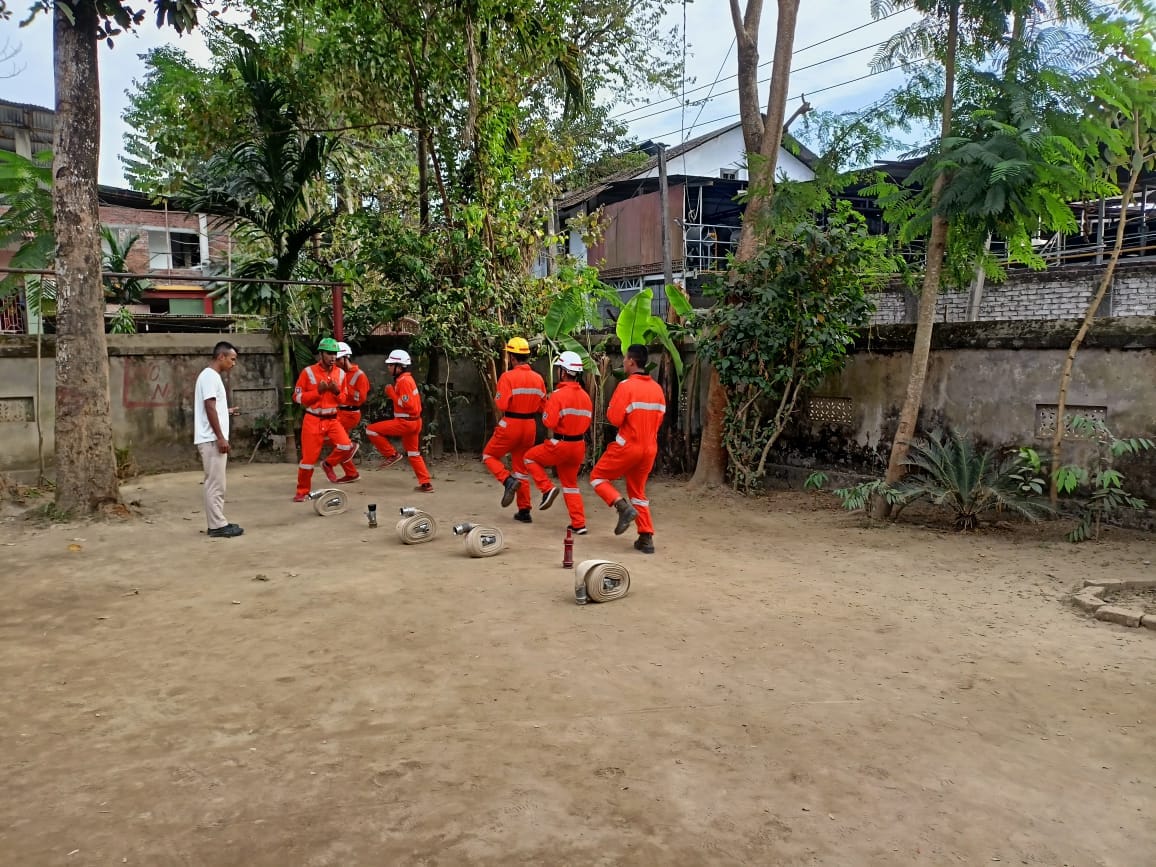
- Fire extinguisher handling
- Hose and hydrant drills
- Fire detection
- Rescue methods
- Evacuation
- First response
- Personal protective equipment
- Emergency communication
- Fire prevention
- Hazard identification
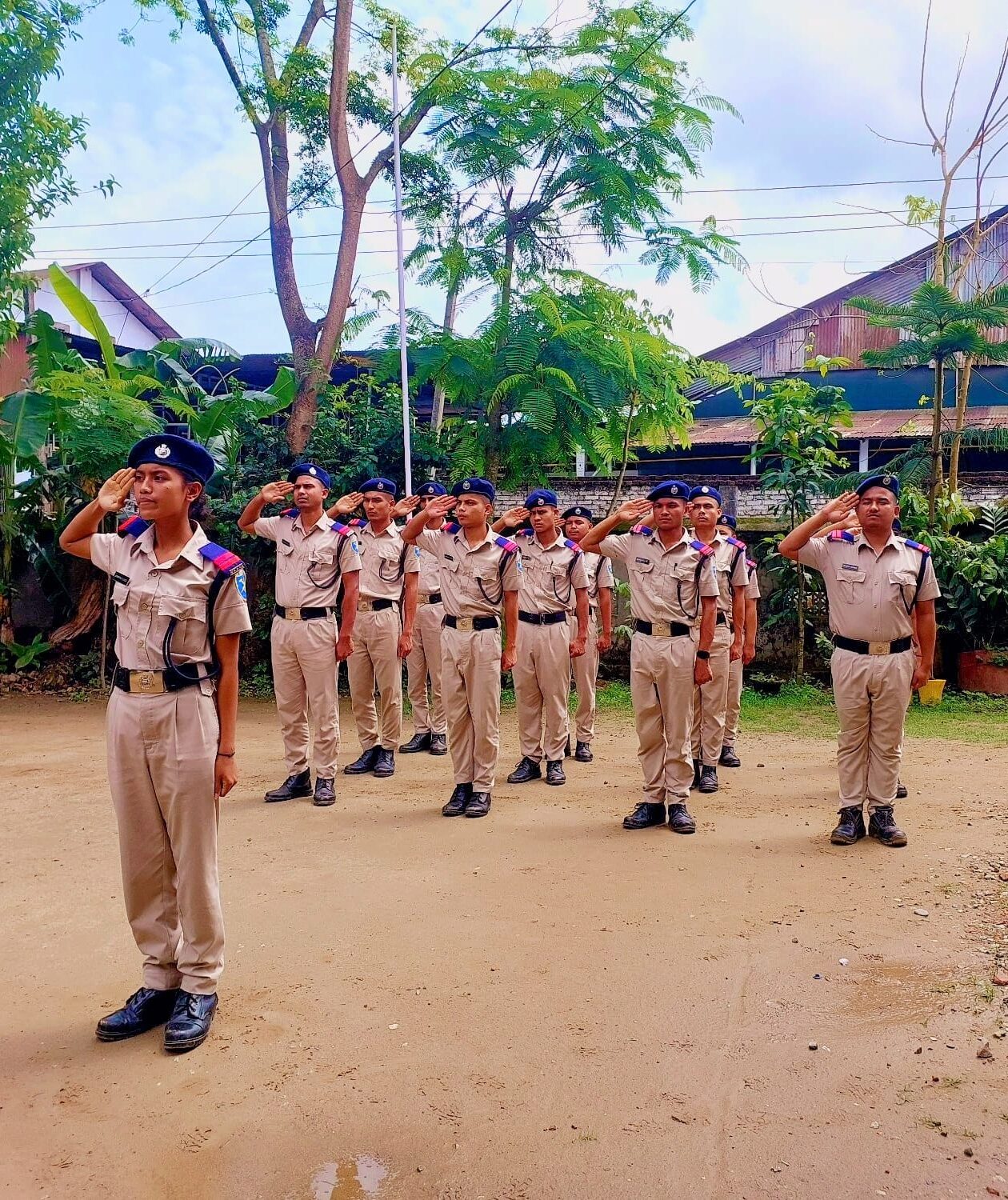
NEFSA describes its programs as combining classroom learning with practical fire drills and emergency-response simulations. Nefsa Fire Academy
Practical ability is particularly important because emergency situations require quick decisions, teamwork, discipline, and correct equipment handling.
Skills You Should Develop for a Fire and Safety Career
1. Fire Prevention Knowledge
Students should understand:
- Common causes of fire
- Fire classifications
- Ignition sources
- Fuel hazards
- Prevention measures
- Housekeeping standards
Prevention is usually more important than firefighting itself.
2. Firefighting Equipment Knowledge
A safety professional should become familiar with:
- Fire extinguishers
- Hydrant systems
- Hose reels
- Sprinklers
- Fire alarms
- Smoke detectors
- Fire pumps
- Breathing apparatus
They should understand which type of equipment is appropriate for different situations.
3. Hazard Identification
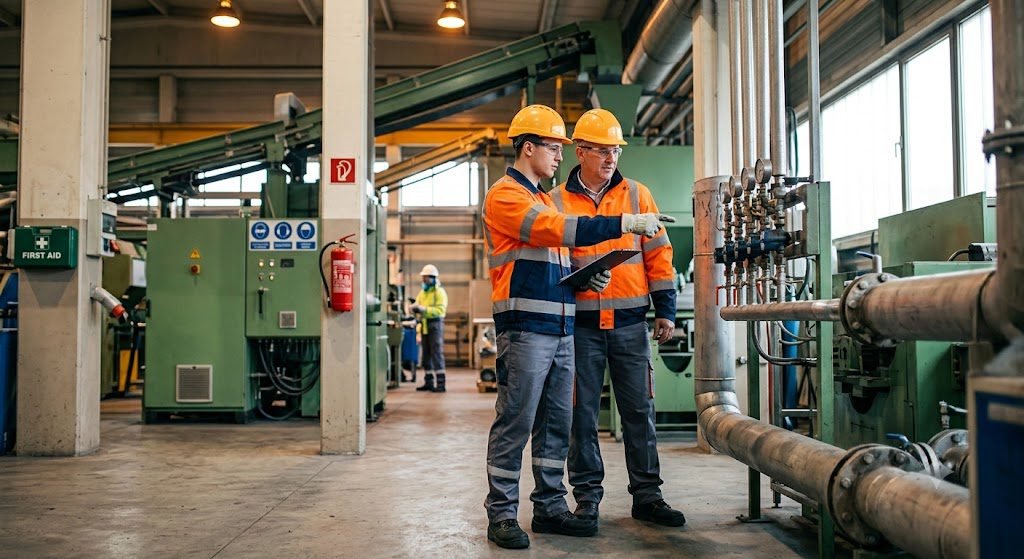
Industrial workplaces may contain:
- Electrical hazards
- Moving machinery
- Flammable materials
- Chemicals
- Pressurized systems
- Height-related risks
- Confined spaces
- Hot work
- Heavy equipment
Learning how to identify a hazard before it causes an accident is a core safety skill.
National Occupational Standards in India are specifically designed around the workplace functions, performance standards, and knowledge required for occupational roles. NSDC India
4. Risk Assessment
Safety professionals should understand basic risk assessment:
Hazard → Probability → Severity → Control
For example:
A loose electrical wire is the hazard.
Electrocution or fire is the potential consequence.
A safety professional identifies the problem and recommends corrective action.
5. Emergency Response
Students should learn how to react during:
- Fire
- Gas leaks
- Industrial accidents
- Chemical incidents
- Structural emergencies
- Evacuations
Emergency-response professionals must remain calm and follow procedures rather than panic.
6. Communication Skills
A safety professional may need to:
- Conduct toolbox talks
- Explain safety procedures
- Report hazards
- Prepare inspection reports
- Communicate during emergencies
- Train workers
Good communication can be just as important as technical knowledge.
7. Discipline and Physical Fitness
Certain firefighting and emergency-response jobs can be physically demanding.
Training may involve:
- Running
- Climbing
- Equipment carrying
- Rescue exercises
- Working in protective clothing
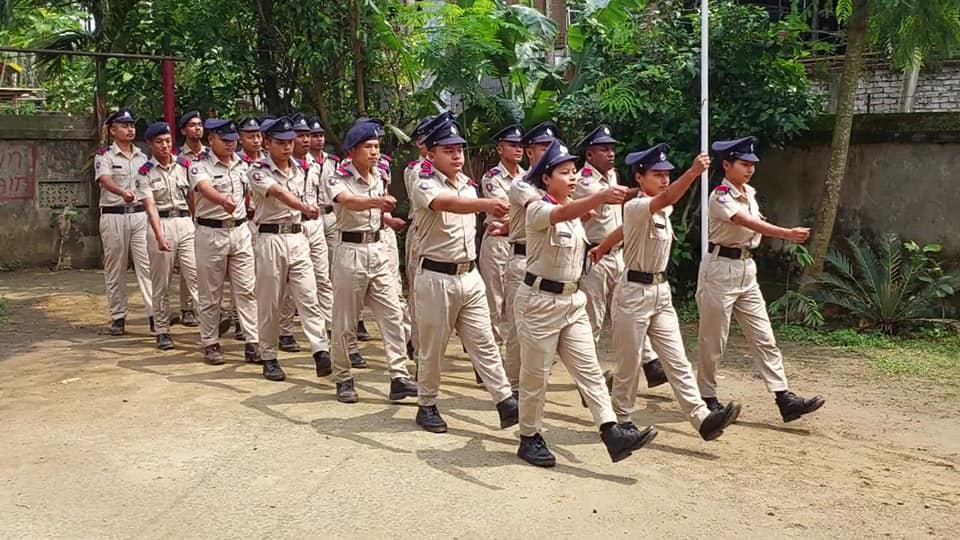
- Team drills
Physical fitness, discipline, and mental alertness are important.
What Subjects Are Usually Covered in Fire and Safety Courses?
A quality program may include topics such as:
- Fire science
- Combustion
- Fire prevention
- Fire protection systems
- Industrial safety
- Occupational health and safety
- Risk assessment
- Hazard control
- Disaster management
- Emergency planning
- Construction safety
- Electrical safety
- Safety legislation
- First response
NEFSA’s current Fire Technology & Industrial Safety Management curriculum lists several of these areas, including fire science, industrial safety, fire protection systems, occupational health and safety, risk assessment, and emergency planning. North Eastern Fire Service Academy
Career Opportunities After Fire and Safety Training
Possible career paths can include:
Fireman / Firefighter
Works in fire prevention and emergency firefighting.
Fire Safety Assistant
Supports fire-safety inspections, equipment maintenance, and emergency preparedness.
Safety Supervisor
Monitors workplace safety practices and helps enforce site procedures.
Industrial Safety Supervisor
Works in industrial environments to monitor hazards and worker safety.
Fire Equipment Technician
Inspects and maintains extinguishers, alarms, hydrants, and related systems.
Emergency Response Team Member
Supports companies during fires, accidents, evacuations, and emergencies.
EHS Assistant
Supports Environment, Health and Safety teams.
Safety Inspector
May inspect workplace conditions, documentation, and compliance depending on qualification and employer requirements.
Safety Officer
A more responsible role involving workplace safety management. Qualification requirements vary, and statutory appointments may require specific recognized qualifications and experience. DGFSALI
Industries That Need Fire and Safety Professionals
Safety skills are relevant across many sectors.
Examples include:
- Oil and gas
- Refineries
- Petrochemicals
- Construction
- Manufacturing
- Power plants
- Steel plants
- Cement plants
- Warehouses
- Airports
- Hospitals
- Hotels
- Shopping complexes
- Infrastructure projects
- Ports
- Logistics operations
DGFASLI specifically highlights industries such as petrochemical, chemical, engineering, and construction as areas where complex occupational safety and health challenges require trained safety professionals. DGFSALI
Government and PSU Opportunities
Fire and safety qualifications may also be relevant when organizations such as:
- Government fire services
- Public sector undertakings
- Airports
- Oil companies
- Railways
- Defence establishments
- Municipal bodies
- Industrial corporations
announce suitable vacancies.
However, every government recruitment notification has its own:
- Age limits
- Educational qualifications
- Physical requirements
- Written tests
- Medical standards
- Experience requirements
Students should always rely on the official recruitment notice rather than assuming that one fire-safety certificate makes them eligible for every government position.
Fire and Safety Career After 10th: Example Roadmap
Here is a practical roadmap.
Stage 1 – Complete Class 10
Build basic communication, mathematics, science, and general-awareness skills.
Stage 2 – Join an Appropriate Fire & Safety Program
Choose a course with:
- Clear eligibility
- Practical training
- Transparent curriculum
- Recognized affiliation where applicable
- Proper physical training
- Industry exposure
Stage 3 – Develop Practical Skills
Participate seriously in:
- Fire drills
- Rescue drills
- PPE training
- Equipment handling
- First response
- Emergency simulations
Stage 4 – Begin Entry-Level Work
Gain real workplace exposure.
Stage 5 – Continue Education
Complete Class 12 or pursue suitable diploma/degree education.
Stage 6 – Specialize
Later consider higher qualifications in:
- Industrial safety
- Occupational safety
- Fire engineering
- EHS
- Disaster management
This can create stronger long-term career prospects.
Fire and Safety Career After 12th: Example Roadmap
After Class 12:
12th → Diploma/Degree/Technical Fire Program → Practical Training → Internship/Employment → Specialized Qualification → Senior Safety Role
Science students may also explore formal engineering pathways where eligible.
The National Fire Service College’s B.Tech Fire Engineering program is one example of a structured technical route after Class 12 for students who meet the required subject and entrance criteria. NFS Nagpur
What Should You Check Before Joining a Fire and Safety Institute?
Do not select an institute only because an advertisement promises a job.
Check:
Course Recognition
Ask:
- Who awards the qualification?
- Is there an affiliation?
- Is the qualification accepted for your intended job?
- Is it vocational, academic, or statutory?
Eligibility
Make sure your Class 10 or Class 12 background qualifies you.
Practical Training
Look for:
- Live fire demonstrations
- Fire extinguisher practice
- Rescue drills
- Industrial visits
- Emergency-response exercises
Faculty
Experienced safety professionals can provide valuable real-world understanding.
Placement Support
Ask for actual placement records rather than guaranteed-job claims.
Course Curriculum
The syllabus should include both fire safety and industrial safety fundamentals.
Why NEFSA Can Be Considered by Students in Assam and Northeast India
North Eastern Fire Service Academy focuses on fire and safety training for students in Northeast India.
Its published information states that the academy is affiliated with the Government of Assam’s Skill, Employment and Entrepreneurship Department and focuses on fire and safety skill development. North Eastern Fire Service Academy
NEFSA’s listed programs include:
- Fire Technology & Industrial Safety Management
- Fire Sub-Officer training
- Fire Safety Engineering
- Fire Safety & Hazard Management
- Disaster Response & Emergency Planning
- Occupational Health & Safety
The academy also emphasizes classroom instruction, practical drills, rescue simulations, and industry-oriented training. Nefsa Fire Academy
For students searching for fire and safety training in Assam, the most important step is to compare the program’s eligibility, recognition, curriculum, practical exposure, and career relevance with their individual goals.
Is Fire and Safety a Good Career After 10th or 12th?
It can be a good option for students who genuinely have an interest in:
- Emergency response
- Industrial work
- Safety procedures
- Discipline
- Physical activity
- Technical equipment
- Protecting people and property
It is not simply a desk job.
Some roles may involve:
- Site inspections
- Outdoor work
- Shift duty
- Industrial environments
- Protective clothing
- Emergency response
- Physical training
Students should choose the career because it matches their interests and abilities rather than only because they expect quick employment.
How to Grow in the Fire and Safety Industry
A strong career normally develops gradually.
You can improve your prospects by building knowledge in:
- Industrial safety
- Fire protection
- First aid
- Occupational health
- HSE systems
- Risk assessment
- Safety audits
- Permit-to-work systems
- Construction safety
- Electrical safety
- Emergency planning
- Safety documentation
Government labour institutes also conduct specialized programs in areas such as safety audits, chemical safety, accident prevention, PPE, and safety management, illustrating how broad the professional field becomes at advanced levels. DGFSALI
Frequently Asked Questions
Can I join fire and safety after 10th?
Yes. Some entry-level and vocational fire-and-safety programs accept Class 10 students. For example, NEFSA currently lists Class 10 as the eligibility for its Fire Technology & Industrial Safety Management program. North Eastern Fire Service Academy
Can I become a Safety Officer after 10th?
Not necessarily. Some entry-level courses may use “safety” terminology, but statutory Safety Officer positions in regulated industries may require higher technical qualifications and recognized industrial-safety credentials. DGFSALI
Which fire and safety course is best after 12th?
The best course depends on your subjects, qualifications, career goal, and whether you want vocational, diploma, degree, engineering, or industrial-safety training.
Can a science student study fire engineering?
Yes, provided the student meets the course eligibility. NFSC’s B.Tech Fire Engineering pathway, for example, has specific Class 12 science-subject and entrance requirements. NFS Nagpur
Is practical training important?
Yes. Fire and emergency work requires hands-on knowledge of equipment, drills, rescue, hazard identification, and response procedures.
What jobs can I get after fire and safety training?
Depending on qualification and employer requirements, possibilities may include fireman, safety assistant, fire-safety technician, emergency-response team member, industrial-safety assistant, safety supervisor, and later more senior EHS or safety roles.
Final Thoughts
Starting a career in fire and industrial safety after 10th or 12th is possible, but students should build their careers step by step.
After 10th, a vocational or foundational fire-and-safety program can introduce you to firefighting, emergency response, hazard awareness, and industrial safety.
After 12th, you may have access to more advanced diploma, degree, technical, and engineering pathways.
As your career develops, higher qualifications and practical experience can open opportunities in industrial safety, occupational safety, fire engineering, EHS, emergency management, and specialized safety roles.
Most importantly, choose a course based on recognized eligibility, practical training, genuine skills, and your long-term career target rather than only the course title.
For students in Assam and Northeast India, NEFSA – North Eastern Fire Service Academy offers fire and industrial safety training pathways, including options listed for students beginning after Class 10. North Eastern Fire Service Academy
A career in fire and safety is ultimately about more than employment—it is about developing the knowledge, discipline, and practical skills needed to help protect lives and workplaces.
Authoritative External Backlinks
National Fire Service College, Nagpur – Government of India
https://nfscnagpur.nic.in/
Directorate General Occupational Safety and Health (DGFASLI/DGOSH)
https://dgfasli.gov.in/
DGFASLI – Industrial Safety Diploma Information
https://dgfasli.gov.in/en/adis-page
National Skill Development Corporation – National Occupational Standards
https://www.nsdcindia.org/national-occupational-standards
Ministry of Labour & Employment – Labour Codes
https://labour.gov.in/
North Eastern Fire Service Academy – Official Website
https://www.nefsaindia.com/
NEFSA Fire & Safety Courses
https://www.nefsaindia.com/courses.php
NEFSA Online Admission Portal
https://admission.nefsaindia.com/