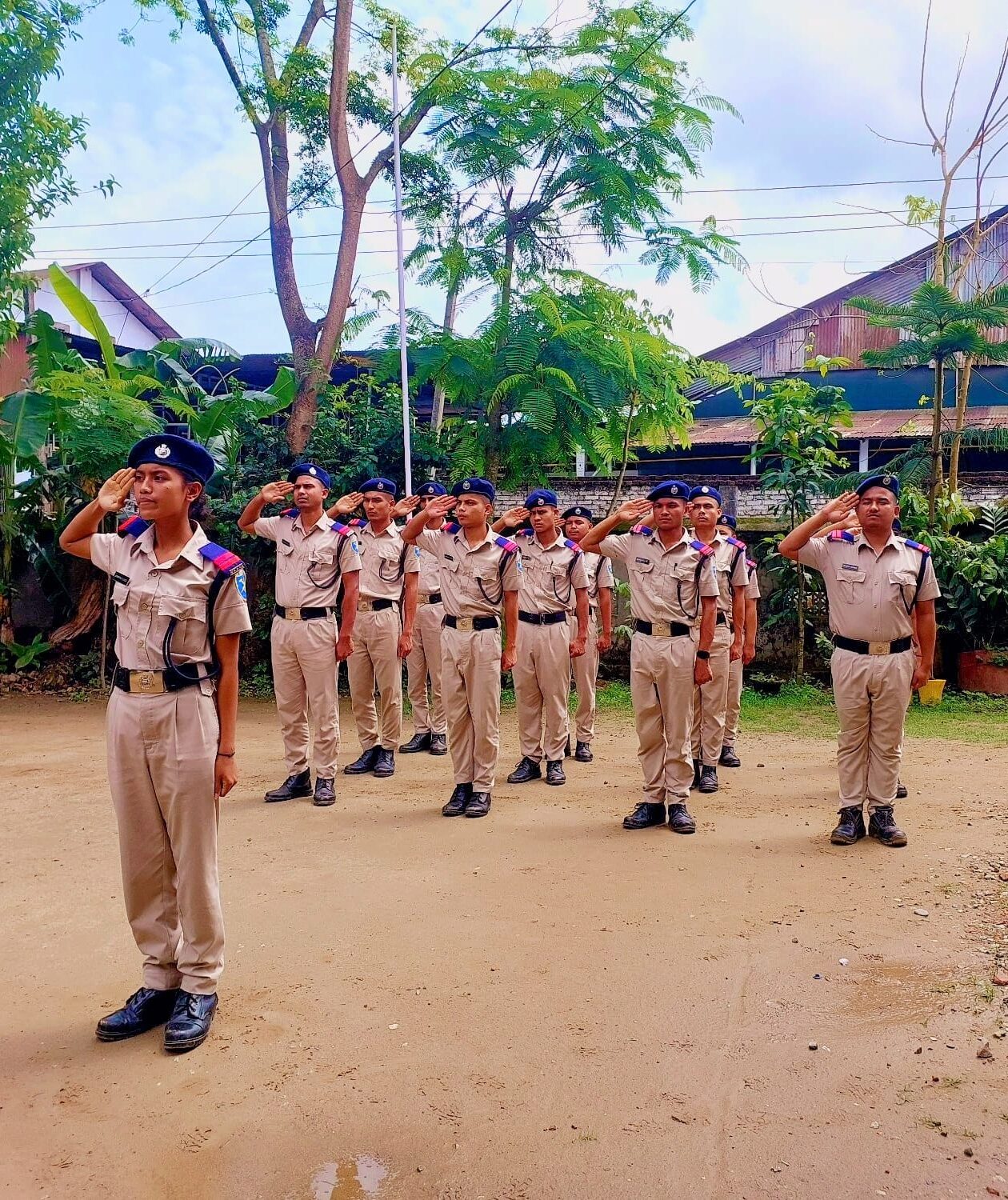
A career in fire and industrial safety is built on technical knowledge, discipline, physical preparedness and the ability to respond confidently during emergencies. As industries, infrastructure projects, commercial buildings and public institutions continue to prioritise workplace safety, trained fire and safety professionals play an increasingly important role in protecting people, property and operations.
Students searching for fire and safety courses in Assam can now apply to North Eastern Fire Service Academy, commonly known as NEFSA Academy. According to the academy’s official website, admissions are currently open for its fire safety, industrial safety and hazard-management programmes at its campus in Dibrugarh, Assam.
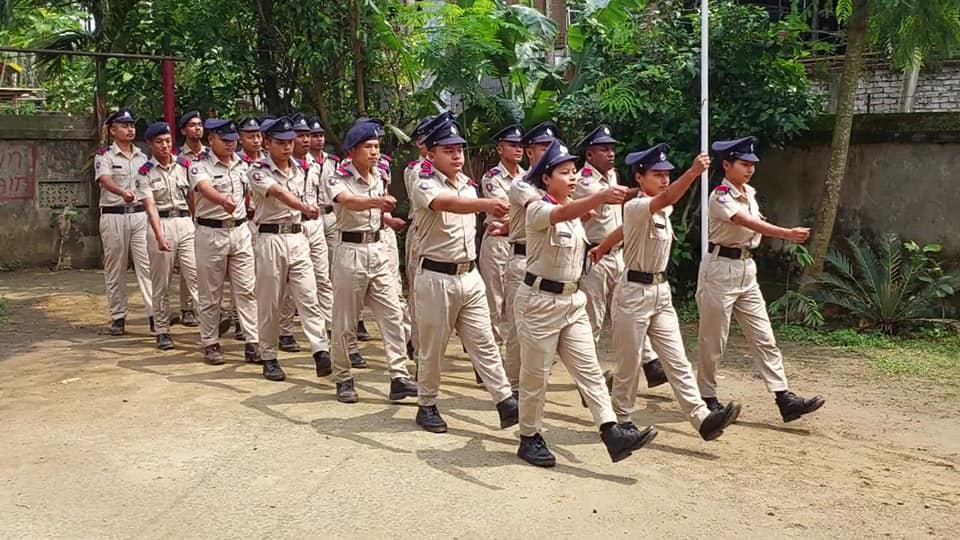
NEFSA Academy focuses on combining classroom education with practical drills, equipment handling, emergency simulations and career-oriented training. This approach can help students develop both technical understanding and the confidence required to perform responsibly in safety-related roles.
Why Choose a Career in Fire and Safety?
Fire and safety professionals help organisations identify hazards, prevent accidents, prepare emergency plans and respond effectively when incidents occur. Their responsibilities may include inspecting fire-protection systems, conducting risk assessments, organising evacuation drills, monitoring workplace practices and supporting emergency-response teams.
The International Labour Organization explains that occupational safety and health aims to prevent workplace accidents and diseases by eliminating risks or reducing them to acceptable levels. This demonstrates why trained safety personnel are important across modern industries.
Fire and safety professionals may find opportunities in sectors such as:
- Oil and gas
- Construction and infrastructure
- Manufacturing plants
- Power and energy
- Airports and aviation services
- Hotels and hospitals
- Warehouses and logistics
- Shopping centres and commercial buildings
- Educational institutions
- Emergency and disaster-response services
- Public-sector undertakings
- Private safety and facility-management companies
Employment depends on the candidate’s qualification, practical competence, experience, physical fitness and the recruitment requirements of individual organisations. Students should view professional training as the foundation of a career rather than a guarantee of a particular job.
Fire and Safety Courses Available at NEFSA Academy
The official NEFSA course page lists multiple programmes designed for students with different educational backgrounds and career goals.
Fire Technology and Industrial Safety Management
This programme is listed for candidates who have passed Class 10. It introduces students to fire prevention, industrial safety and emergency-response systems.
Important areas of study include:
- Fire science and combustion
- Fire-protection equipment
- Industrial safety management
- Occupational health and safety
- Hazard identification
- Risk assessment and control
- Disaster management
- Emergency planning
The course can provide foundational preparation for entry-level roles related to fire safety, industrial safety supervision, inspection and emergency response.
Diploma in Fire Sub-Officer
The Diploma in Fire Sub-Officer is also listed for Class 10-pass candidates. It focuses on firefighting operations, rescue practices, team coordination and fire-service responsibilities.
Training areas mentioned by the academy include:
- Firefighting techniques
- Hose and ladder drills
- Fire-equipment handling
- Rescue operations
- First aid and CPR
- Evacuation procedures
- Fire-station operations
- Emergency communication
- Disaster-response management
This programme may suit students interested in operational firefighting, rescue supervision and emergency-service roles.
Diploma in Fire Safety Engineering
This diploma concentrates on the technical and engineering aspects of fire prevention and safety management. According to NEFSA, Class 10-pass candidates are eligible to apply.
Subjects may include:
- Fire-safety engineering and design
- Fire-detection and alarm systems
- Electrical and chemical safety
- Safety laws and compliance
- Accident investigation
- Risk assessment
- Safety audits
- Fire-prevention technology
Students interested in safety inspections, fire-protection systems, risk control and technical safety operations may consider this programme.
B.Sc. in Fire Safety and Hazard Management
NEFSA lists its B.Sc. in Fire Safety and Hazard Management for higher-secondary students from the science stream. This degree-level programme covers advanced safety, environmental and hazard-management concepts.
Key study areas include:
- Advanced fire engineering
- Industrial and construction safety
- Environmental health and safety
- Disaster and hazard management
- Safety-management systems
- Emergency planning
- Safety audits and compliance
The programme is designed for candidates interested in developing deeper academic and professional knowledge for roles involving safety management, hazard control, emergency planning and EHS operations.
Practical Training Matters in Fire-Safety Education
Fire and safety cannot be learned effectively through theory alone. During a real emergency, a professional must understand how to assess risks, operate equipment, communicate clearly and make responsible decisions under pressure.
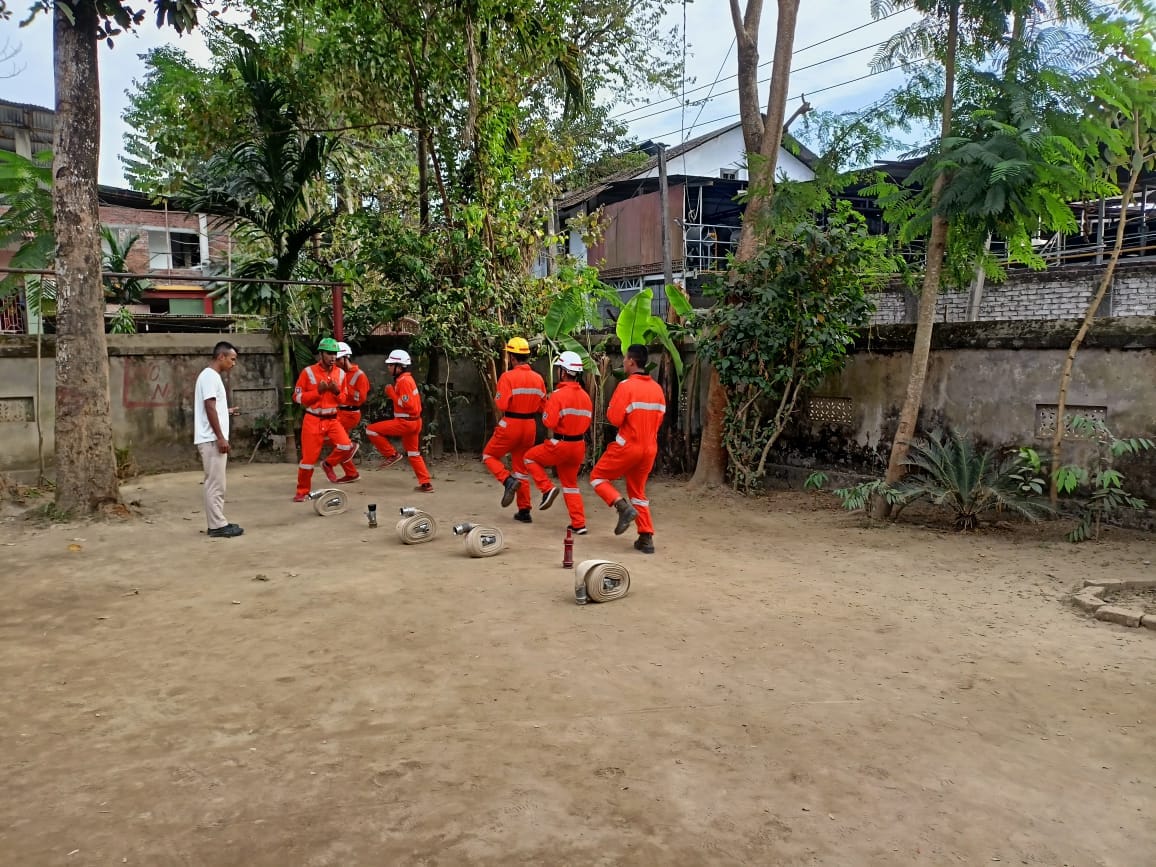
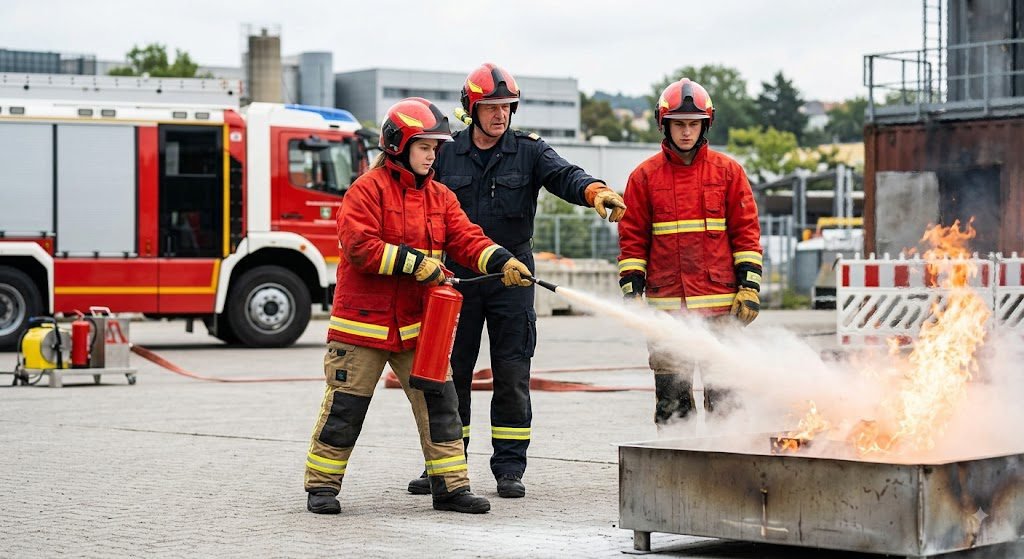
NEFSA states that its courses include practical training, drills and emergency simulations. Depending on the selected programme, practical learning may involve:
- Fire-extinguisher handling
- Hose drills
- Ladder drills
- Evacuation exercises
- Rescue techniques
- First aid and CPR
- Equipment inspection
- Personal protective equipment
- Emergency communication
- Hazard-identification exercises
- Simulated incident response
Practical sessions help students understand how theoretical concepts are applied in realistic environments. They can also strengthen teamwork, leadership, discipline and situational awareness.
The Government of India’s Directorate General Factory Advice Service and Labour Institutes highlights the importance of identifying, evaluating and controlling occupational hazards. Its work includes industrial safety, occupational health, industrial hygiene, personal protective equipment and workplace training—all of which demonstrate the broad professional scope of the safety field.
Who Can Apply to NEFSA Academy?
Eligibility depends on the programme selected. The current course information published by NEFSA indicates:
- Fire Technology and Industrial Safety Management: Class 10 pass
- Diploma in Fire Sub-Officer: Class 10 pass
- Diploma in Fire Safety Engineering: Class 10 pass
- B.Sc. in Fire Safety and Hazard Management: Higher secondary in the science stream
NEFSA also states that physical and medical tests are mandatory before admission. Candidates should contact the academy directly to confirm current age criteria, course duration, fees, fitness standards, admission dates and required documents.
Applicants should not rely solely on third-party advertisements. Always verify the latest eligibility and admission conditions through the official academy website or admission office.
Documents Required for Online Admission
The NEFSA online admission portal currently instructs applicants to prepare digital copies of relevant documents.
Depending on the selected course, applicants may need:
- Recent passport-size photograph
- Scanned signature
- HSLC or Class 10 marksheet
- HSLC admit card
- Higher-secondary marksheet
- Higher-secondary pass certificate
- Valid photo-identification document
- Caste certificate, if applicable
- Police-verification form
- Medical certificate
- Attendance declaration
The admission portal specifies image-based uploads with size requirements for certain documents. Applicants should read the latest instructions carefully before uploading files.
Make sure that:
- The applicant’s name is consistent across all documents.
- Scanned copies are clear and readable.
- The photograph is recent.
- Contact details are active.
- Educational information matches the certificates.
- The correct course is selected.
- The form is reviewed before final submission.
How to Apply for NEFSA Fire and Safety Courses
Students can follow these steps to submit an online application:
Step 1: Visit the Official Admission Portal
Open the NEFSA admission portal and select the registration option.
Step 2: Create an Applicant Account
Enter an active email address and create the required login details. Use an email account that you can access throughout the admission process.
Step 3: Verify Your Email
Complete the email-verification process and log in to the applicant dashboard.
Step 4: Enter Personal Information
Fill in the requested personal, contact and address details carefully.
Step 5: Upload Photograph and Signature
Upload the photograph and signature according to the file-format and size instructions displayed on the portal.
Step 6: Enter Educational Details
Provide accurate Class 10 and higher-secondary information, depending on the course requirements.
Step 7: Upload Supporting Documents
Upload the requested academic certificates, identification documents and other required forms.
Step 8: Preview the Application
Review every field before submission. Correct spelling errors, inaccurate dates or missing documents.
Step 9: Submit the Application
Complete the final submission only after confirming that all information is correct.
Step 10: Download the Application Form
After submitting, return to the dashboard and download or print the application form for future reference.
Keep copies of the completed form, payment receipt and all communication received from the academy.
Skills Students Can Develop
A professionally structured fire and safety programme can help students develop a combination of technical and workplace skills.
Technical Skills
Students may learn about fire behaviour, extinguishing methods, safety equipment, alarm systems, hazard control, emergency procedures and accident prevention.
Communication Skills
Safety professionals must communicate instructions clearly during inspections, training sessions, drills and emergencies.
Teamwork
Firefighting and emergency response depend heavily on coordination. Practical training helps students understand roles, responsibilities and command structures.
Discipline and Physical Preparedness
Operational safety roles may require punctuality, fitness, alertness and the ability to follow procedures consistently.
Risk-Assessment Skills
Identifying a hazard before it becomes an accident is one of the most valuable abilities in occupational safety.
Leadership and Decision-Making
Sub-officers, supervisors and safety managers may need to guide teams and make timely decisions in high-pressure situations.
Career Opportunities After Fire and Safety Training
The potential career path depends on the programme completed and the employer’s eligibility requirements. Possible job titles may include:
- Fire Safety Officer
- Fireman or Fire Operator
- Fire Sub-Officer
- Industrial Safety Supervisor
- Safety Inspector
- Safety Engineer
- Emergency Response Officer
- EHS Assistant or Officer
- Safety Auditor
- Risk-Assessment Assistant
- Disaster-Response Coordinator
- Fire-Control Room Operator
- Safety Trainer
- Facility Safety Coordinator
Some roles may require additional statutory qualifications, experience, licences or employer-specific certifications. Candidates interested in legally designated safety-officer positions should carefully check the qualification requirements applicable to the relevant industry and state.
India’s Ministry of Labour and Employment provides access to national labour codes, including the Occupational Safety, Health and Working Conditions Code. Students can use such official resources to understand the broader regulatory environment surrounding workplace safety.
Why Students from Northeast India Can Consider NEFSA
For students in Assam and other Northeastern states, studying at a regional academy may make professional fire-safety education more accessible. NEFSA is located at Barbaruah, near NH-37 Bypass Chariali, Dibrugarh, Assam.
According to its website, the academy was established with the objective of developing fire and safety professionals from Northeast India. Its stated educational approach includes:
- Classroom-based technical education
- Practical fire drills
- Emergency-response simulations
- Industrial-safety concepts
- Physical and medical assessment
- Career-oriented skill development
- Placement-focused preparation
Students should visit the campus, speak with the admission team and examine the course structure before enrolling. It is also sensible to ask about faculty experience, practical-training facilities, accommodation, fees, refund policies, examination systems and placement records.
Important Questions to Ask Before Admission
Before paying any admission or course fee, ask the academy:
- What is the complete course duration?
- What is the total fee, including uniform, examination and practical charges?
- What educational documents are required?
- What are the physical and medical standards?
- Which authority awards the final certificate or qualification?
- What practical drills are included?
- Are industrial visits part of the programme?
- Is hostel accommodation available?
- What placement assistance is provided?
- Are there additional requirements for specific government or industrial jobs?
- What is the cancellation and refund policy?
- When will the current academic session begin?
Request written confirmation of important terms and retain all receipts.
Apply Now and Begin Your Fire-Safety Journey
A career in fire and industrial safety requires more than courage. It requires professional knowledge, discipline, practical ability and a serious commitment to protecting others.
NEFSA Academy offers several fire and safety courses for Class 10 and higher-secondary students. With admissions currently open, interested candidates can explore the programmes, confirm eligibility and submit their applications through the official portal.
Visit the North Eastern Fire Service Academy website to review current course information, or use the official online admission portal to begin the application process.
For admission-related guidance, candidates can also contact the academy through its official contact page.
Frequently Asked Questions
Are NEFSA fire and safety admissions currently open?
The NEFSA website and online admission portal currently indicate that admissions are open. Candidates should confirm the final application deadline directly with the academy.
Can a Class 10-pass student apply?
NEFSA lists multiple courses for Class 10-pass candidates, including Fire Technology and Industrial Safety Management, Diploma in Fire Sub-Officer and Diploma in Fire Safety Engineering.
Is science required for the B.Sc. programme?
The academy’s course page lists higher secondary in the science stream as the eligibility requirement for the B.Sc. in Fire Safety and Hazard Management.
Does admission require a physical or medical test?
Yes. NEFSA states that physical and medical tests are mandatory before admission.
Can students apply online?
Yes. Applicants can register, upload documents, review their application and complete final submission through the official NEFSA admission portal.